Top Business Credit Cards for Startups: What to Consider
Top Business Credit Cards for Startups: What to Consider
By Lee Johnson, VIP Business Credit
Selecting the right business credit cards for startups is vital for new enterprises aiming to build a solid credit profile and manage expenses efficiently. Startup business credit cards, including specialized small business startup credit card options, offer unique features tailored to the needs of fledgling companies. They allow owners to separate personal and business finances while benefiting from rewards and building credit history. This article guides startup owners through the key aspects of business credit cards, emphasizing important factors like business credit cards no personal guarantee, cash flow management, and leveraging credit for growth. We will also discuss how to establish a startup’s business credit profile alongside suitable corporate credit options beyond standard cards. By understanding the common challenges and opportunities associated with these financial tools, entrepreneurs can better navigate the startup financing landscape. Startups in Sterling, Virginia and across the greater Washington, D.C. region can also draw on local funding guidance suited to their market when weighing these options.
Key Takeaways
- Startup business credit cards help separate personal and business finances while building a credit history lenders can see.
- Cards without a personal guarantee protect personal assets but often come with stricter approval requirements and higher fees.
- An EIN, dedicated business bank accounts, and vendor tradelines (like net 30 accounts) are foundational steps for building business credit.
- 0% introductory APR offers can ease early cash flow but should be weighed against costs once the promotional period ends.
- Beyond credit cards, SBA loans and revenue-based financing offer additional paths to startup capital.
- Regular credit monitoring and coaching help startups catch issues early and keep their credit profile on track.
What Are Startup Business Credit Cards and Why Do They Matter?

Startup business credit cards are specialized financial products designed for new businesses that often lack extensive credit histories. These cards, including the best business credit cards for startups selections, generally provide benefits such as reward programs, higher credit limits compared to personal credit cards, and frequently do not require a personal guarantee. For startup owners, these credit cards are crucial because they assist in managing cash flow, tracking expenses, and, importantly, establishing a separate business credit profile which can lead to better financing options in the future.
How Do Business Credit Cards Help Build Startup Credit Profiles?

Using business credit cards effectively contributes to building a startup's credit profile by establishing a payment history with credit bureaus. This is vital as credit scores primarily rely on consistency in meeting payment obligations. By regularly using a business credit card to cover everyday expenses and paying off the balance promptly, startups can demonstrate their creditworthiness. Many business credit cards also report to major business credit bureaus, which helps boost the startup's credit profile.
Source Note
Major business credit bureaus such as Dun & Bradstreet compile the payment data that vendors and lenders report into a business's credit file, which is why consistent on-time payments on a business credit card can meaningfully shape a startup's credit profile over time.
What Are the Key Features of Credit Cards Designed for Startups?

When considering business credit cards designed specifically for startups, several features should be evaluated to find the best fit.
These features collectively enhance the value of business credit cards for startups, giving owners greater control over their finances and more room to grow. VIP Business Credit offers a proprietary Business Scan service that assesses over 150 data points concerning business profiles, providing tailored recommendations for credit building and helping startups access suitable funding programs.
How to Choose Business Credit Cards Without a Personal Guarantee?

Choosing a business credit card without a personal guarantee involves evaluating several key factors to ensure it aligns with your startup's needs and financial situation. A card without this requirement allows business owners to protect their personal assets from business risks.
What Are the Benefits and Risks of No Personal Guarantee Credit Cards?
There are distinct advantages and potential drawbacks to consider with business credit cards no personal guarantee:
- Asset Protection: Personal assets remain shielded from business liabilities.
- Credit Independence: Startups can build business credit independently of the owner's personal credit profile.
- Higher Fees: Cards without personal guarantees often come with higher interest rates or fees.
- Stricter Approval Requirements: Such cards may have more demanding eligibility criteria, making it challenging for startups to qualify.
Understanding these factors is essential for entrepreneurs looking to use business credit effectively while minimizing personal financial risk.
Which Startup Credit Cards Offer 0 Percent Introductory Interest Rates?
Certain business credit cards provide a 0% introductory interest rate, offering significant savings on interest during the initial months, which can be especially helpful alongside other working capital solutions. Some options that provide this benefit include:
- Chase Ink Business Cash: Offers an introductory 0% APR for the first 12 months, allowing startups to finance purchases without accruing interest.
- American Express Blue Business Plus: Known for its dual advantages of 0% APR on purchases for the first 12 months and accumulating points for every dollar spent.
- Bank of America Business Advantage Cash Rewards: Features 0% APR for the first nine billing cycles, focusing on helping startups manage cash flow effectively.
Startups should weigh the benefit of introductory offers against short and long-term costs before selecting a small business startup credit card.
How to Establish and Optimize Your Startup’s Business Credit Profile?

Building a strong business credit profile involves several strategic steps that contribute to long-term financial health. From registering for an EIN to opening vendor tradelines, each step adds a layer of credibility that lenders and suppliers can verify, making it easier to qualify for better terms as the business grows.
Why Is EIN Registration Critical for Business Credit Building?
Obtaining an Employer Identification Number (EIN) is a foundational step in establishing a business. This unique identifier separates your business's financial activities from personal ones, which is crucial for credibility with creditors and lenders. It simplifies the process of applying for credit and opens doors to business financing options without relying exclusively on personal credit.
How Do Vendor Tradelines and Net 30 Accounts Support Credit Growth?
Vendor tradelines are credit accounts with suppliers that report payment performance to credit bureaus. Opening a net 30 account allows startups to purchase goods or services on credit, repayable within 30 days. This fosters a positive payment history, essential for boosting credit scores. Effective vendor relationships can accelerate credit building, as timely payments showcased through these tradelines contribute favorably to the startup’s overall credit profile.
What Are the Best Corporate Startup Credit Options Beyond Standard Credit Cards?

While credit cards are fundamental tools for startups, various other financing alternatives exist which can provide substantial benefits, from government-backed loans to flexible revenue-based structures that scale with the business.
How Do SBA Loans and Revenue-Based Financing Complement Credit Cards?
SBA loans are government-backed loans with favorable terms, including lower interest rates and longer repayment periods. These loans are particularly well-suited for startups looking to access larger amounts of capital to invest in growth, and startups that don't qualify for a traditional SBA loan can also explore SBA loan alternatives built for similar financing needs.
Revenue-based financing offers a more flexible alternative, allowing businesses to raise capital based on future revenue potential. This approach doesn't require personal guarantees and is repaid through a percentage of future sales, providing a manageable repayment structure aligned with business cash flow. A merchant cash advance works on a similar principle for businesses with steady card sales, while invoice financing lets startups unlock cash tied up in unpaid invoices rather than waiting on customer payment terms.
Source Note
According to the U.S. Small Business Administration, SBA-backed loans are structured with government guarantees that typically allow lenders to offer lower interest rate caps and longer repayment terms than many conventional small business loans, which is part of why they remain a common complement to startup credit cards for larger capital needs.
How Does the Business Scan Service Help Identify Suitable Funding Options?
The Business Scan service provided by VIP Business Credit analyzes numerous data points in a startup's financial profile. This process helps identify funding sources that align with the business’s creditworthiness and financial needs, making it easier for entrepreneurs to find suitable financing options without relying solely on traditional lending methods.
How Can Startups Monitor and Improve Their Business Credit Over Time?

Regular monitoring and proactive credit management are vital for maintaining and improving a business credit profile, since a profile left unchecked can quietly accumulate errors or missed reporting that hold a startup back.
What Role Does Business Credit Coaching and Monitoring Play?
Engaging with business credit coaches can provide startups with strategies tailored to enhancing their creditworthiness. Monitoring services track changes in credit scores and alert business owners to potential risks, enabling them to respond proactively and avoid pitfalls that could harm their credit profiles.
How to Separate Personal and Business Credit Effectively?
To maintain a clear distinction between personal and business credit, entrepreneurs should:
- Establish an EIN: Use the EIN for all business-related transactions.
- Open Dedicated Business Bank Accounts: Ensure that all business income and expenses are managed through separate accounts.
- Utilize Business Credit Cards: Make purchases using business credit cards to establish a distinct credit profile.
By following these guidelines, startups can safeguard their personal credit while building a strong business credit foundation.
What Should Startups Know About Eligibility and Application Criteria for Credit Cards?

Understanding the eligibility requirements and application criteria for business credit cards is essential for startups, since knowing what lenders look for ahead of time can mean the difference between a quick approval and a frustrating rejection.
How Do Lenders Assess Startup Credit Card Applications?
Lenders typically assess applications based on multiple factors, including:
- Business Revenue: Demonstrating consistent revenue streams helps improve the likelihood of approval.
- Credit History: While startups may not have extensive credit histories, any existing credit activity will be reviewed.
- Business Plan Viability: A solid business plan indicating growth potential can positively influence lender perception.
Startups should be prepared to present documentation illustrating their financial health and long-term objectives to maximize approval chances.
What Are Common Application Processes and Approval Tips for Startups?
The application process usually involves filling out a detailed form, providing business documentation, and potentially interviewing with a bank representative. Key tips for ensuring successful applications include:
- Gather Financial Documentation: Prepare income statements, tax returns, and a business plan to present to lenders.
- Maintain Strong Personal Credit: While business credit is essential, personal credit history often factors into lending decisions, especially for startups lacking a track record.
- Follow Up: After submitting an application, following up can help clarify any outstanding issues and demonstrate interest.
Proactively managing the application process increases the chances of securing the funding needed to develop and sustain a business.
Why Partner With Advisors and Use Referral Programs to Access Better Startup Credit Cards?

Collaborating with financial advisors can significantly enhance a startup's approach to obtaining credit, since these professionals often see patterns across many businesses that a first-time founder would otherwise have to learn through trial and error.
How Can CPAs, Financial Advisors, and Brokers Facilitate Startup Credit Access?
Professionals like CPAs and financial advisors possess extensive knowledge of funding options and credit strategies. Their expertise can streamline the application process, emphasizing the strengths of a startup's financial profile. A broker can also help negotiate better terms or identify credit cards that might not be widely advertised.
What Are the Benefits of Using Entity-Rich Educational Resources for Startups?
Accessing educational resources tailored for startups can bolster financial literacy and awareness of funding opportunities. These resources equip entrepreneurs with knowledge about building their credit profiles, understanding loan options, and working through the complexities of business financing. Engaging with such resources ultimately enhances confidence and decision-making around using credit effectively.
What Are Emerging Trends in Startup Business Credit Cards and Funding for 2026?
As we move further into 2026, several trends are shaping the landscape of startup business credit and financing, from faster automated approvals to a steadier flow of government-backed capital reaching newer businesses.
How Is Alternative Lending and Credit Automation Changing Startup Financing?
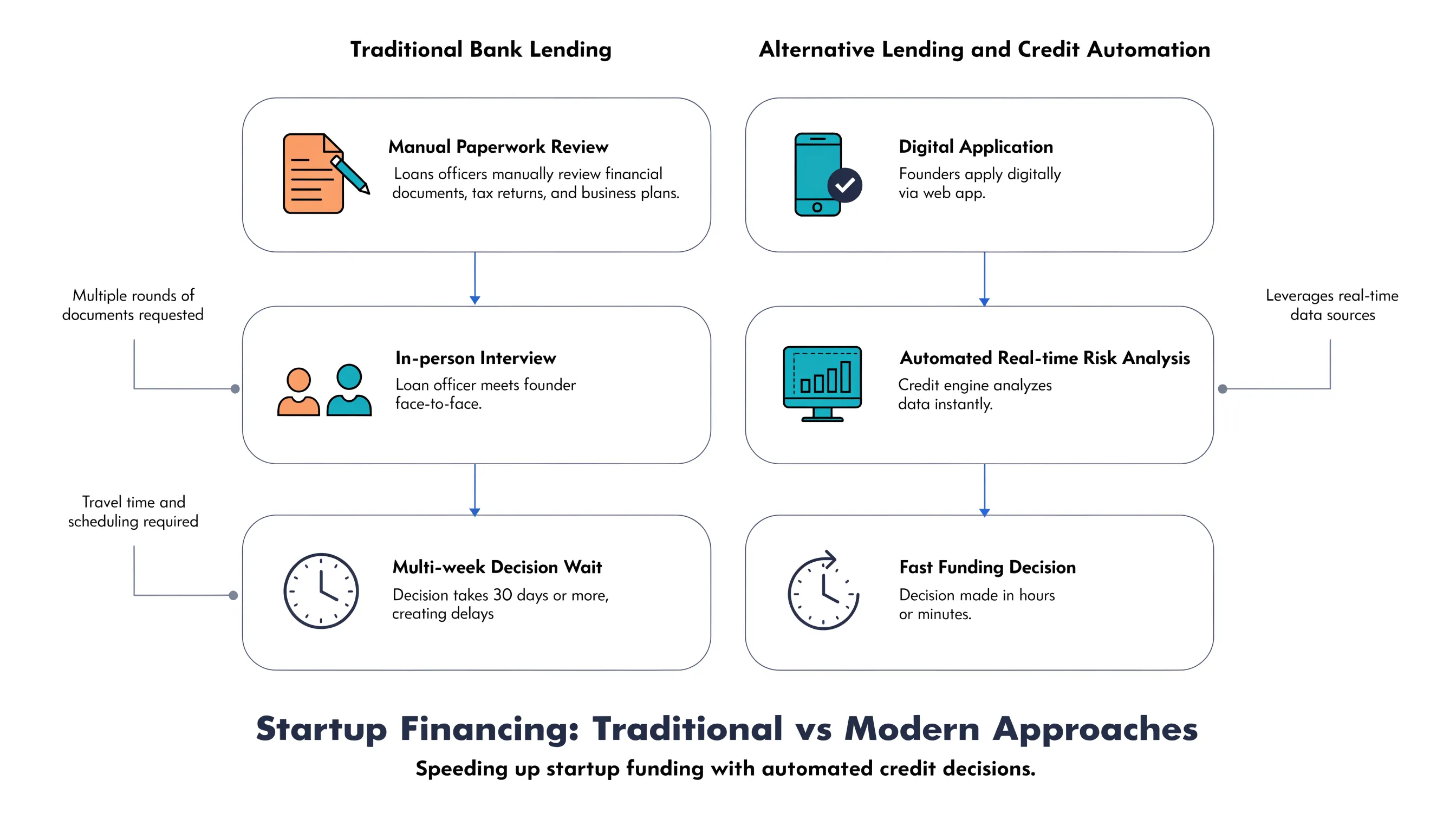
The rise of alternative lending platforms and advancements in credit automation have revolutionized the financing accessibility for startups. These platforms often provide quicker assessments and approvals compared to traditional banks, effectively democratizing access to business credit. Automation enables lenders to analyze risk in real time, expediting the funding process and accommodating the urgent needs of new businesses.
What Are the Latest Data Insights on SBA Loan Approvals and Startup Credit Access?
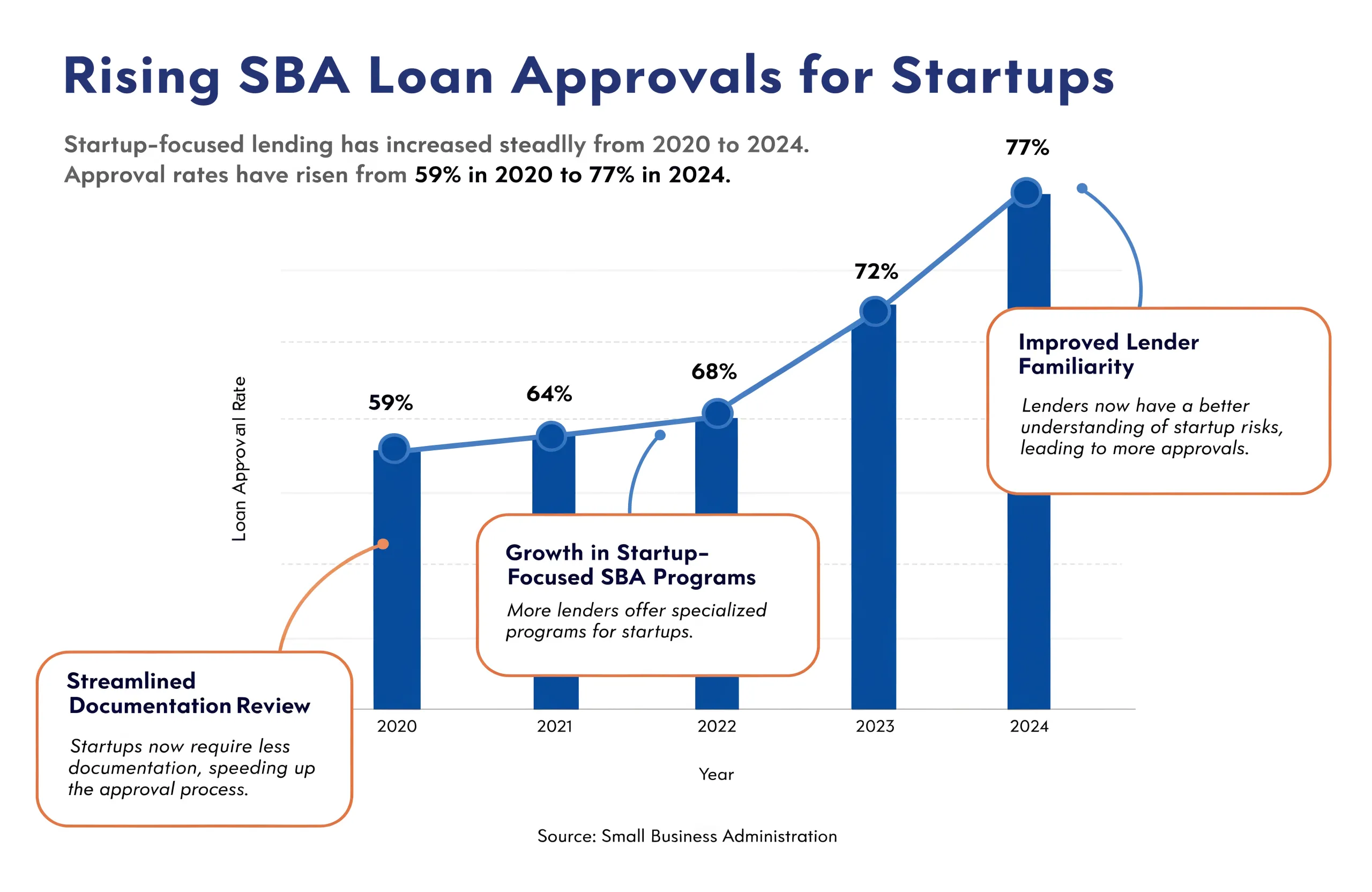
Recent data indicates increased approval rates for SBA loans as lenders become more familiar with the challenges faced by startups. By understanding the trends in SBA loan approvals, businesses can better position themselves for financing success, ensuring they have the knowledge to navigate the paperwork and eligibility requirements effectively. You can also review frequently asked questions on our FAQ page or check our pricing details to learn more about the Business Scan options.
Get Professional Guidance and Support
For personalized advice on obtaining the best business credit cards for startups and optimizing your startup's financial health, VIP Business Credit offers expert consultation and tailored strategies, serving Sterling, Virginia and the greater Washington, D.C. region.
Contact us:
- 📞 Phone: +1 (571) 248-3863
- ✉️ Email: [email protected]
- 📅 Consultation: Schedule A Business Financial Health Strategy Call
- 🌐 Website: vipbizfunds.com
- 🎯 FREE Business Funding Pre-Qualification Scan: Get Your Free Scan
About The Author
Lee Johnson is the Co-Founder and CEO of VIP Business Credit, based in Sterling, Virginia. He has over 25 years of experience in business funding, credit building, and generational wealth strategies. Lee holds a Bachelor of Science from Fairleigh Dickinson University and an MBA from the University of Phoenix. He is also a Master Certified Professional Coach with over 500 coaching hours. Since 2005, he has built a significant real estate portfolio and is dedicated to helping entrepreneurs and small business owners achieve financial freedom by establishing strong, lender-ready credit profiles.
Frequently Asked Questions
Do startup business credit cards require a personal guarantee?
Not always. Some cards are issued without a personal guarantee, which protects the owner's personal assets, but these tend to have stricter approval requirements and may carry higher fees or interest rates than cards that do require one.
How quickly can a new business build its credit profile?
Timelines vary, but consistent use of a business credit card paired with on-time payments, an EIN, dedicated business bank accounts, and vendor tradelines like net 30 accounts can start showing results within several months as activity is reported to business credit bureaus.
What is the benefit of a 0% introductory APR on a startup credit card?
A 0% introductory period lets a startup finance early purchases without accruing interest, which can ease cash flow during the first several months. It's worth comparing what the rate becomes after the introductory period ends before choosing a card based on this feature alone.
What documents do startups need when applying for a business credit card?
Lenders typically look for proof of business revenue, any existing credit history, and a business plan that demonstrates growth potential. Having income statements and tax returns ready can help streamline the application process.
Are there financing options for startups beyond business credit cards?
Yes. SBA loans offer government-backed terms for larger capital needs, and revenue-based financing provides repayment tied to future sales without requiring a personal guarantee. A Business Scan can help identify which option best fits a startup's financial profile.
Conclusion
Choosing the right business credit card is one of the earliest and most consequential financial decisions a startup will make. The right card does more than cover expenses — it helps separate personal and business finances, builds a credit history lenders can trust, and opens the door to better financing as the business grows. Whether a startup prioritizes a card with no personal guarantee, a strong introductory APR, or the tools to track spending, the goal is the same: build a credit profile that supports long-term growth rather than short-term convenience. Pairing the right card with steady habits — an EIN, dedicated business accounts, vendor tradelines, and regular credit monitoring — gives startups a solid foundation for the financing decisions ahead.


