Improve Your Fundability Score for Better Loan Access
Improve Your Fundability Score for Better Loan Access

By VIP Business Credit Editorial Team · Updated 2026-08-31
Business fundability improves when owners separate personal and business credit, correct data inconsistencies, and build business credit through trade lines that report to commercial bureaus. VIP Business Credit's Fundability Scan identifies specific credit gaps and delivers a step-by-step roadmap, giving business owners a clear credit position before approaching lenders for growth capital.
Key Takeaways
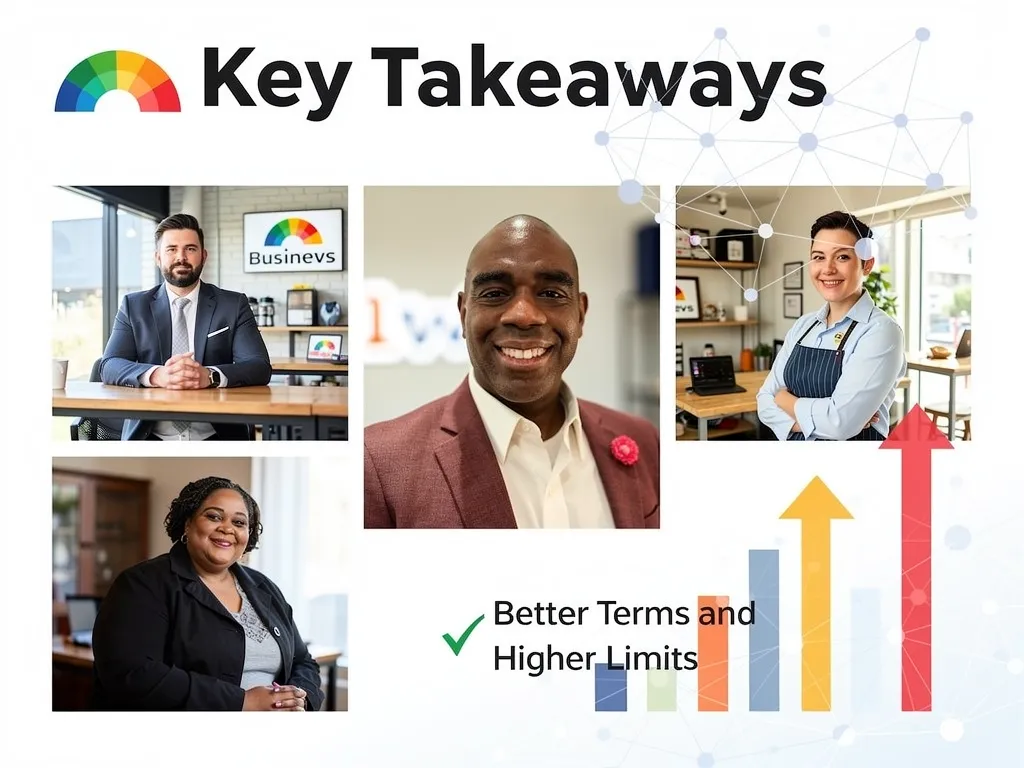
- Fundability Score ranges from 0 to 890 and directly measures your business's ability to secure financing.
- Building separate EIN-based business credit eliminates reliance on personal credit for company funding decisions.
- VIP Business Credit connects entrepreneurs to over 1,000 national and local lenders through their network.
- Strong business credit unlocks better financing terms, lower interest rates, and higher credit limits for companies.
What Will This Guide Help You Achieve?
This guide equips small and midsize business owners with a clear path toward stronger credit standing and better loan terms. Business owners who skip proper structuring often face rejected applications and personal liability for company debt. That's a costly mistake that follows the owner long after the business closes. By the end, readers will understand how legal structure, credit history, and lender readiness combine to shape financing outcomes.
VIP Business Credit centers its work on connecting clients to high-limit business loans and revolving credit lines, all while separating personal and business liability. That separation matters more than most new owners realize.
Why Does Business Structure Matter for Credit?
Registering as an LLC, LLP, or corporation creates a legal entity distinct from its owner, one capable of entering contracts on its own. Sole proprietors don't get that shield. Without formal registration, no legal or financial line exists between the owner and the business, which means preparation before seeking a loan becomes essential rather than optional.
What Does This Guide Cover Step by Step?
- Explain how business structure affects [business credit](https://www.vipbizfunds.com/business-credit) readiness and long-term liability protection.
- Show how underwriters evaluate a company's fundability score before approving financing.
- Break down the factors that influence business loan eligibility, from credit history to financial documentation.
| Reader Type | Primary Benefit |
|---|---|
| New entrepreneurs | Understand entity separation before applying |
| Established owners | Identify gaps limiting credit limits |
VIP Business Credit supports entrepreneurs across Northern Virginia. The Greater Washington, DC region, guiding them toward EIN-based credit that protects personal assets while unlocking growth capital.

What Is A Business Credit Readiness Score?
A lender wants one answer above all else: will this business repay its debt? A readiness score exists to measure exactly that question before an application ever reaches an underwriter's desk. For small and midsize business owners, this number acts as an early warning system, showing where a company stands before a lender delivers a verdict.
Some scanning tools rate a business on a numeric scale, often ranging from 0 to 890, to show how attractive the company looks to lenders. A higher number signals stronger financing potential; a lower number flags risk that needs correcting first. This is not a single data point — the score draws from more than 125 factors, including business structure, credit profile, and financial documentation.
Why does a readiness score matter before applying for financing?
Applying blind wastes time and can trigger inquiries that hurt a credit file. Checking a fundability score first lets an owner see gaps and fix them before a lender ever looks. Business owners who address weak spots in advance typically face fewer denials and better rate offers.
VIP Business Credit's proprietary scoring tool serves this exact purpose. Built to reveal how underwriters actually view a company, the tool identifies specific eligibility gaps rather than offering a vague pass-or-fail judgment. Owners see which factors are pulling their score down and which ones are already working in their favor.
Key components typically feeding into this kind of score include:
- Legal business structure (LLC, corporation, sole proprietorship)
- Credit profile tied to the company's EIN
- Financial documentation and cash flow history
- Consistency of business identity data across records
Strong business credit readiness rarely comes from one fix. It comes from steadily improving each factor a lender checks before deciding on business loan eligibility.

What Do Lenders Check Before Approving Loans?

Lenders evaluate one core question before approving any loan or credit line: will this business repay what it borrows, and can it? A company judged both willing and able to repay debt earns lender trust. That trust shapes the terms, limits, and rates offered. Businesses missing either signal face denials or costly conditions, even when revenue looks healthy on paper.
Underwriters do not rely on a single data point. They pull together several signals to gauge risk before releasing funds.
- Repayment capacity: cash flow, revenue trends, and existing debt load
- Credit history: payment patterns tied to the business entity itself
- Business structure: legal formation, age, and documentation on file
- Industry risk: how the sector performs historically under economic pressure
How does a fundability score factor into loan decisions?
A fundability score gives lenders a quick snapshot of how a business looks on paper before they ever review a full application. Owners who understand this score in advance can address weak spots first, rather than getting surprised by a denial. Strengthening the underlying profile before applying builds real business credit readiness, which speeds up approvals down the line.
Does business credit affect more than loan approval?
Yes. Strong business credit does more than unlock financing; it boosts a company's credibility with outside partners. Vendors extend better terms, landlords approve leases more readily, and suppliers view the business as lower risk.
Widening business loan eligibility often comes down to access. VIP Business Credit connects clients to a network of more than 1,000 national and local lenders, giving owners more paths to approval than a single-bank relationship allows. A pre-qualification process then maps out which programs fit now and which require additional preparation. Business owners can plan their next move with clarity instead of guesswork.
How Do You Separate Personal And Business Credit?

Legal structure determines the split. Forming an LLC, LLP, or corporation creates a company recognized as its own legal entity, separate from the person who owns it. That entity can sign contracts, open accounts, and build a credit file entirely on its own. Sole proprietors don't get this protection — every credit application ties back to the individual, not the business.
What happens if a business skips this step?
Without a formal legal structure, no separation exists. All borrowing activity lands directly on the owner's personal credit reports, exposing personal assets and personal credit scores to business risk.
VIP Business Credit builds its guidance around this exact gap. Advisors steer clients toward establishing credit tied to the company's employer identification number (EIN) rather than the owner's Social Security number. That shift is often the single biggest factor separating a fundable company from one that still leans on personal guarantees. Local Business Credit Advisors walk each client through this transition, offering concierge-level guidance on structuring the business so lenders view it as its own borrower.
The process generally follows this order:
- Register the business as an LLC, LLP, or corporation with the state.
- Obtain an EIN and use it — not a personal Social Security number — on credit and vendor applications.
- Open business bank accounts and trade lines under the company's legal name.
- Work with a local advisor to confirm the business profile is structured correctly before applying for financing.
This groundwork strengthens business credit readiness and lays the foundation for a stronger fundability score over time. It also directly shapes business loan eligibility. Lenders weigh how cleanly a company's financial identity stands apart from its owner. Skipping these steps doesn't just slow growth — it keeps personal credit permanently on the hook for business debt.
How Do You Build Trade Credit Accounts?

Trade credit accounts form through consistent, on-time payment activity with vendors who report to commercial credit bureaus. Business owners follow a specific sequence to turn vendor relationships into a verifiable credit history that lenders trust. VIP Business Credit helps clients strengthen these foundational credibility signals, including consistent business identity data and reliable trade credit reporting practices.
Follow these steps in order:
- Confirm business identity data matches across every platform. Legal name, address, and phone number need to appear identically on state filings, the business website, and vendor applications.
- Select vendors known to report payment history to commercial bureaus. Not every supplier reports activity, so this step determines whether payments actually build a credit file.
- Open net-30 or net-60 terms with two to three reporting vendors. These short-term payment windows create the first entries on a business credit report.
- Pay every invoice before the due date, every time. Late payments damage a young credit file faster than they can be repaired.
- Monitor the credit file for new tradeline entries. Confirming that vendor payments post correctly protects the business from reporting errors.
What Role Does Trade Credit Play in Loan Eligibility?
Trade credit accounts serve as an early credit-building tool business owners use before pursuing larger financing. Building this history strengthens business credit readiness, which lenders review closely when evaluating business loan eligibility. A thin or inconsistent file signals higher risk, while a well-documented trade history signals reliability.
Why Does Business Identity Consistency Matter for Trade Accounts?
Mismatched business details confuse bureaus and vendors alike, sometimes splitting payment history across multiple files. VIP Business Credit's comprehensive credit-building program includes education and coaching on maintaining healthy credit usage so owners avoid this pitfall. Correcting identity data early prevents fragmented reporting down the line.
Strong trade credit ultimately supports a higher fundability score. Establishing tradelines is a key step toward securing better financing, lower interest rates, and higher limits without relying on personal credit.
How Do You Monitor And Fix Credit Errors?
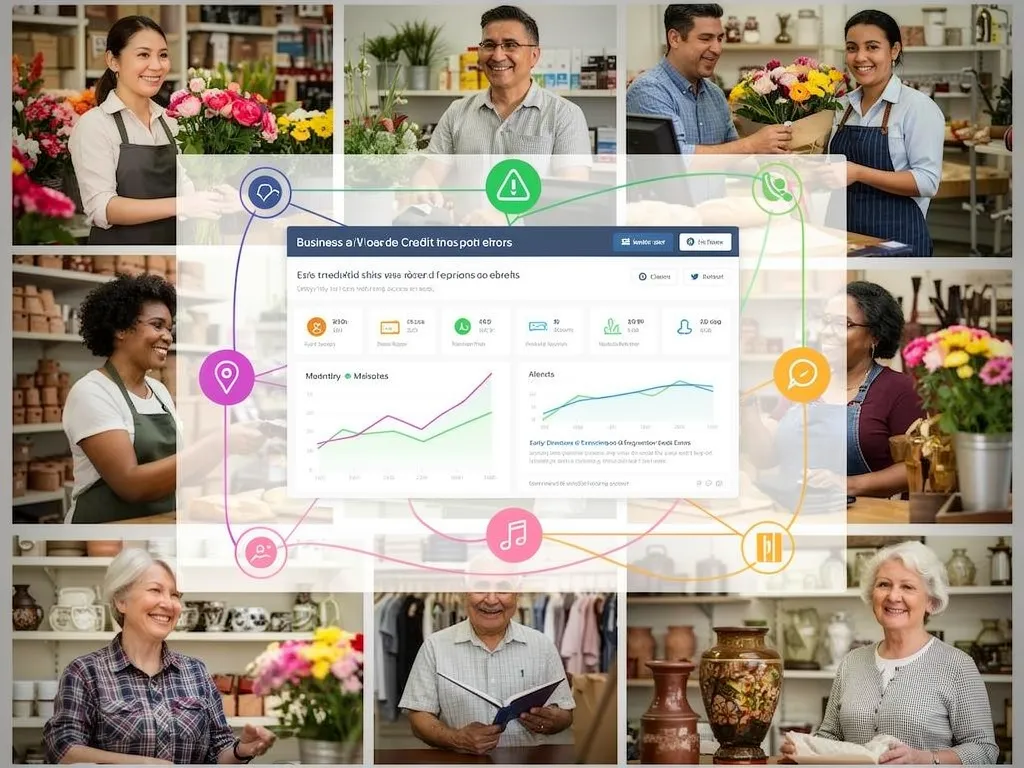
Business owners correct credit errors by tracking accounts through the same bureau data lenders actually pull, then acting fast when something looks wrong. Mistakes on a credit file don't just sit there quietly. They actively lower a fundability score and delay approvals until someone catches them.
VIP Business Credit's monitoring tool watches accounts and data from the bureaus lenders rely on during underwriting. Errors surface early, before they derail a pending application. This early-detection approach gives business owners a chance to dispute problems while there's still time to fix them.
Why Does Consistent Business Information Matter To Lenders?
Mismatched business names, addresses, or phone numbers across directories send a red flag to underwriters. Lenders, card issuers, and vendors all read inconsistency as risk, even when the business itself is financially sound. Correcting these details, and keeping trade credit reporting accurate, strengthens overall business credit readiness and signals stability to anyone reviewing the file.
What Happens After The Errors Are Fixed?
Once a profile is clean, the real strategic work begins. The platform then identifies remaining eligibility gaps and points toward loan products matched to the corrected profile, sharpening business loan eligibility instead of leaving it to guesswork.
The monitoring and correction process generally follows this sequence:
- Pull current data from the bureaus lenders use for underwriting decisions.
- Compare business identity details — name, address, and phone number — across every listing.
- Flag discrepancies and outdated trade credit entries for dispute.
- Submit corrections and track resolution status over time.
- Reassess eligibility gaps and match the corrected profile to suitable loan products.
Skipping this cycle costs more than a lower score. It costs approvals, favorable terms, and time that a growing business can't spare.
How Do You Match Your Business To Lenders?

Matching starts with mapping a company's stage, sector, and risk profile against a lender network built for variety. VIP Business Credit connects clients to options spanning traditional banks, alternative finance providers, and specialized programs, so a five-year-old manufacturing firm and a two-year-old service business land on different shortlists — not the same generic list.
No single loan product fits every company. A restaurant with seasonal cash flow needs different terms than a construction firm bidding on large contracts. Financing strategy gets matched to a business's particular stage, sector, and risk profile, which means the recommended path changes based on revenue history, industry norms, and how lenders currently view that risk category.
What Does Pre-Qualification Actually Show A Business Owner?
Pre-qualification separates ready-now options from build-first options. A structured workflow reveals which programs a business may be eligible for immediately, and which require additional preparation before an application makes sense. This distinction protects business loan eligibility by preventing owners from applying too early and racking up unnecessary hard inquiries.
The process typically surfaces three categories:
- Immediate-fit programs — products matching current credit profile and financials
- Near-term programs — options requiring a few specific fixes, like updated financial statements or corrected business records
- Longer-term programs — products that depend on building stronger business credit readiness over months, not days
Why Does A Long-Term Lending Relationship Matter More Than One Approval?
One approval solves today's problem. A long-term partnership solves the next five. VIP Business Credit positions itself as an ongoing advisor rather than a one-time broker, guiding owners as their fundability score climbs and new lending tiers open up.
This matters because eligibility shifts constantly. A business that qualifies for a modest credit line this year may qualify for a much larger facility next year, provided someone tracks the change and knows exactly when to reapply.
What Mistakes Should You Avoid Along The Way?

Two errors derail most funding applications: blending personal and business finances, and applying before checking readiness. Both mistakes cost owners time, money, and access to better loan terms.
Sole proprietors face the biggest risk here. Without forming an LLC or corporation, no legal separation exists between the owner and the company. Every credit inquiry, late payment, or balance ties back to the individual's Social Security number instead of the business's own file. That pattern limits future business loan eligibility, since lenders can't evaluate the company as its own credit-worthy entity.
Why does checking readiness before applying matter so much?
Submitting an application blind means skipping a critical diagnostic step. A proper review of business credit readiness shows exactly where gaps exist — thin trade lines, inconsistent business details, missing credit history — before a lender ever sees the file. Owners who skip this step often get rejected for issues they could have fixed in advance.
What does a credit review actually reveal?
A structured scan uncovers weak points across the credit profile and produces a roadmap for closing them. Rather than guessing which lender might approve an application, owners see specific gaps and a sequence of actions to strengthen their fundability score first. This turns funding into a plan instead of a gamble.
Common mistakes worth avoiding:
- Mixing personal and business expenses in the same accounts
- Applying for financing before reviewing standing with lenders
- Ignoring credit gaps instead of addressing them proactively
- Choosing a broker over a long-term financing partner
That last point matters more than owners realize. VIP Business Credit operates as vipbizfunds.com, offering transparent, no-surprise pricing and functioning as a long-term partner rather than a one-time transactional broker. Owners working with a partner focused on lasting relationships tend to build stronger, more durable credit profiles over time.
FAQ
What is a Fundability Score?
A Fundability Score is a proprietary tool from VIP Business Credit that ranges from 0 to 890 and directly measures a business's ability to secure financing.
How does business structure affect fundability?
Registering as an LLC, LLP, or corporation creates a legal entity separate from its owner, offering liability protection that sole proprietors lack, making structuring essential before seeking a loan.
How does VIP Business Credit help improve fundability?
VIP Business Credit's Fundability Scan identifies specific credit gaps and delivers a step-by-step roadmap, then connects business owners to over 1,000 national and local lenders.
Conclusion

In closing, improving your business fundability score is a deliberate, measurable process that compounds over time. By addressing the core pillars—business identity consistency, trade credit establishment, and financial performance—you create a stronger foundation that lenders recognize and reward. Each step you take signals stability and creditworthiness to underwriters, opening doors to better terms and higher limits. Your commitment to building genuine business credit separates personal risk from company risk, protecting your assets while positioning your business for sustainable growth and access to the capital it deserves.
About The Author

Lee Johnson is a seasoned Real Estate Investor, Business Growth Strategist, and Master Certified Professional Coach with more than 500 coaching hours and over 25 years of professional experience. He holds a Bachelor of Science from Fairleigh Dickinson University and a Master of Business Administration from the University of Phoenix. Since 2005, Lee has built a personal real estate investment portfolio exceeding 1,700 units valued at approximately $254 million across multiple U.S. markets.
Lee's mission is to help small business owners — including those in home services, trucking, and real estate — achieve financial freedom by first establishing a strong business credit profile, then accessing the highest loan amounts at the best terms available. He and his team serve business owners nationwide through VIP Business Credit's signature 12-month business credit coaching program.
Connect with Lee and VIP Business Credit:


