Top 7 Equipment Financing Options for Small Businesses and Startups in 2026
Top 7 Equipment Financing Options for Small Businesses and Startups in 2026
By Lee Johnson, VIP Business Credit
As the entrepreneurial landscape evolves in 2026, securing financing for equipment has become a pivotal element for small businesses and startups looking to thrive. This guide explores the top seven equipment financing options available today, highlighting how these methods support growth and operational efficiency. Entrepreneurs often face challenges in accessing the right funding sources, particularly when conventional lending pathways may not be accessible. For those seeking expert guidance on securing funds, this article explores the various equipment financing types available, their benefits, and how they cater specifically to startups and small businesses.
What Are the Top Equipment Financing Options for Startups and Small Businesses in 2026?
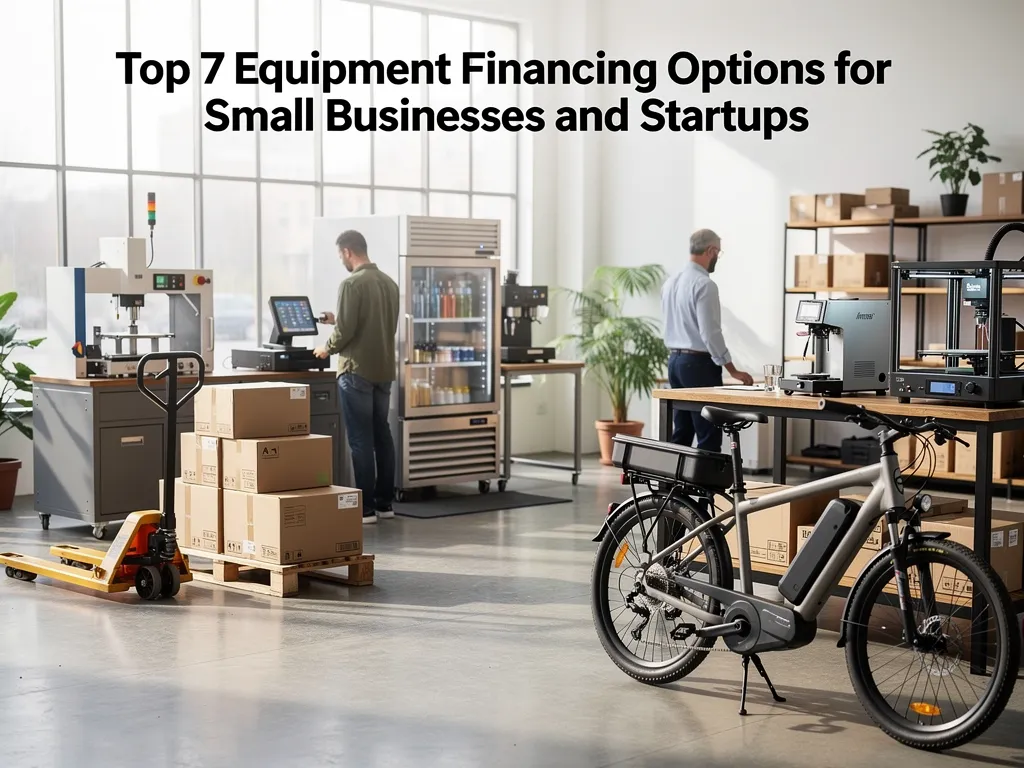
In 2026, small businesses have access to an array of equipment financing options designed to help them acquire necessary tools without straining their financial resources. The primary types of equipment financing include equipment loans, leasing options, and alternative financing methods that cater to specific needs. Each of these options has unique benefits and specifications that can greatly influence a business's operational capabilities.
- Equipment Loans: These loans allow businesses to purchase equipment outright. The ownership transferred upon payment completion enables the businesses to benefit directly from the equipment's depreciation, resulting in tax benefits.
- Equipment Leasing: Leasing provides businesses the opportunity to use equipment without initial large capital outlay. This option offers flexibility, allowing businesses to update equipment regularly with minimal financial commitment.
- Revenue-Based Financing: This method offers an innovative alternative for startups that may lack traditional credit access, where repayment is based on a percentage of monthly revenues, allowing businesses to manage cash flow more effectively.
- SBA Loans: These federally backed loans often come with lower interest rates and longer repayment terms, making them attractive for purchasing equipment. While the application process can be rigorous, approval is often seen as a significant boon for small enterprises.
- Vendor Financing: Through partnerships with suppliers, businesses can obtain financing directly from vendors to acquire equipment immediately, often at favorable terms.
- Factoring: This involves selling accounts receivable to a third party at a discount to gain immediate cash for equipment purchases. It serves well for businesses needing quick access to capital.
- Peer-to-Peer Lending: This emerging option allows businesses to receive funding directly from individual lenders via online platforms, often resulting in lower rates compared to traditional financing methods.
In understanding which financing option to pursue, evaluating individual business needs against each option's benefits is critical. A business with steady receivables may lean toward factoring or a loan, while one with seasonal cash flow may find revenue-based financing or leasing a better fit. Comparing repayment structure, ownership outcome, and qualification requirements side by side helps narrow the list to the two or three options worth exploring in more depth.
Depreciation and Tax Treatment
Per the IRS Section 179 deduction rules, businesses that purchase qualifying equipment outright may be able to deduct the full purchase price in the year it's placed in service, rather than depreciating it over several years, which is one reason equipment loans can carry a meaningful tax advantage over leasing in the right circumstances.
How Can Small Business Equipment Loans Help Startups Grow in 2026?

Small business equipment loans play a crucial role in the growth trajectories of startups by providing access to necessary tools without upfront costs. They enable businesses to invest in high-value equipment needed for production and service delivery, potentially raising productivity levels and enhancing operational efficiencies.
What Are Revenue-Based Loans and Their Benefits for Non-Bankable Businesses?
Revenue-based loans have become significant for non-bankable businesses that may not qualify for traditional bank financing. These loans are structured to adjust payments based on a percentage of monthly revenue, easing the burden during slow seasons and preserving working capital for day-to-day operations. The key benefits include:
- Flexible Repayment Terms: Payments are directly linked to revenue, allowing more room to manage cash flow.
- Easier Qualification Standards: Many revenue-based loans consider sales volume rather than credit history, making it accessible to a broader range of businesses.
- Retained Control: Business owners maintain ownership without sacrificing equity, a vital factor for many startups seeking growth.
As these businesses grow and stabilize financially, transitioning to more traditional financing options becomes plausible. A strengthened revenue history and a track record of on-time payments give lenders the confidence to extend larger credit lines or lower rates, so a revenue-based loan often serves as a bridge rather than a permanent solution.
How Do SBA Equipment Financing Programs Support Small Business Growth?
The Small Business Administration (SBA) offers various equipment financing programs that can significantly support small business growth. By providing loans with favorable repayment terms and lower interest rates, SBA programs make it easier for startups to access quality equipment. Startups may take advantage of:
- Short and Long-Term Loans: Options that fit various cash flow needs.
- Lower Interest Rates: Often significantly lower than traditional bank loans.
- Longer Repayment Terms: Giving businesses more time to pay off their debt while reaping equipment benefits.
Choosing an SBA-backed loan could be a strategic move for startups looking to establish a solid foundation for future growth. Because the SBA guarantees a portion of the loan, lenders can extend terms they might otherwise consider too risky for a young business, which widens the pool of equipment a startup can realistically finance. Growing companies exploring business funding tysons va frequently find SBA-backed equipment financing opens doors that conventional bank loans alone would not.
SBA Loan Program Details
According to the U.S. Small Business Administration, SBA loan programs are designed to reduce lender risk through a federal guarantee, which is part of why qualifying businesses often see more favorable rates and terms than they would through conventional bank financing alone.
What Role Does Business Credit Play in Accessing Equipment Financing?
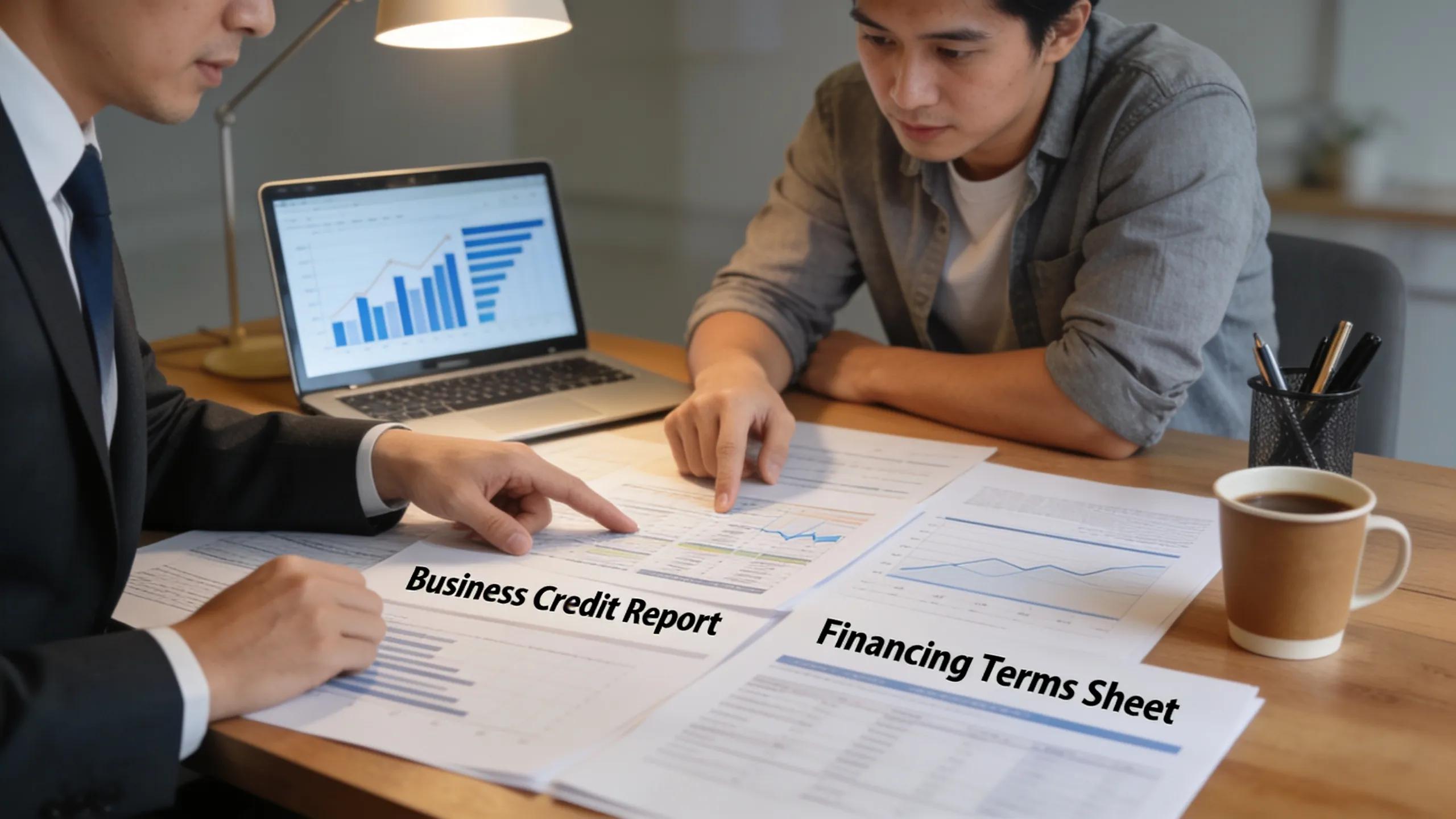
Establishing solid business credit for equipment financing is essential for small businesses seeking to access various financing options, including equipment loans. A strong business credit score enhances credibility with lenders and can yield better financing terms.
How Do Vendor Tradelines and Net-30 Accounts Build Lender-Ready Business Credit?
Vendor tradelines and net-30 accounts, which offer businesses the ability to purchase goods and pay for them later, play an essential role in building a business credit profile. By establishing positive relationships with vendors and consistently making timely payments, businesses can enhance their credit scores. Some critical points include:
- Building Credit History: Reliable payments on these accounts are reported to credit bureaus, improving credit standing.
- Better Financing Opportunities: A strong credit profile opens doors for more favorable terms in future financing options.
- Increased Purchasing Power: Enhanced credit can lead to higher credit limits with suppliers, aiding in scaling operations.
This strategy is vital for startups striving to gain a foothold in their industries, since a thin or nonexistent credit file is often the single biggest reason a lender declines an equipment financing application outright. The same pattern holds for startups across Northern Virginia pursuing business credit reston va, who often lean on these same vendor tradeline strategies before applying for equipment financing.
Why Is Separating Personal and Business Finances Essential for Equipment Loan Approval?
Separating personal and business finances is crucial for equipment loan approval. It not only helps in building business credit independently but also provides clarity on the business's financial health. This separation allows for:
- Clearer Financial Management: Monitoring cash inflows and outflows becomes more straightforward.
- Reduced Liability: Protecting personal assets by limiting liability exposures connected to business activities.
- Easier Access to Financing: Lenders often prefer reviewing a clear business financial profile when granting loans.
Implementing sound financial practices early can help position startups favorably for future equipment financing opportunities. Lenders reviewing a clean, separate business financial history can assess risk faster, which often translates into quicker approvals and more competitive terms down the line.
What Are the Key Advantages and Steps to Secure Business Equipment Leasing?

Business equipment leasing is often favored by small businesses for its flexibility and lower financial barriers. There are several advantages associated with leasing equipment, making it an attractive option.
- Lower Upfront Costs: Leasing typically requires a lower initial investment compared to buying outright.
- Flexibility to Upgrade: Businesses can frequently update their equipment to the latest models without the worry of outright purchases.
- Financial Predictability: Fixed monthly payments help in budgeting and cash flow management.
How Does Leasing Differ from Purchasing Equipment Through Loans?
Leasing and purchasing equipment through loans differ significantly, primarily regarding ownership and payment structures.
- Ownership: Purchasing leads to ownership after loan completion, whereas leasing means the equipment must be returned or purchased at the end of the lease term.
- Cost Structure: Equipment loans often involve higher upfront costs, while leasing allows spreading costs over time.
- Flexibility: Leasing provides the opportunity for frequent upgrades compared to the longer commitment of a purchase.
Understanding these distinctions can help businesses make informed decisions tailored to their operational strategies. A business that depends on equipment with a short useful life, such as computers or specialty tools that are regularly replaced, often benefits more from leasing, while one that relies on durable, slow-to-depreciate machinery may find ownership through a loan the more economical path.
What Are Typical Terms and Eligibility Requirements for Equipment Leasing?
When considering equipment leasing, several typical terms and eligibility requirements may apply. These can include:
- Lease Duration: Most leases range from 24 to 60 months, with the option to renew.
- Creditworthiness: Lenders will assess credit scores, business history, and financial health.
- Down Payment: While some leases require no down payment, others may necessitate a small initial sum.
Ensuring compliance with these terms can facilitate smoother leasing processes for startups, and reviewing the end-of-term options, whether that means returning the equipment, renewing the lease, or buying it out, before signing helps avoid surprises once the lease matures. Contractors exploring business loans fairfax county va and IT or data-center operators looking into business loans ashburn va will find leasing structured around the specific equipment categories common to those industries.
How Can Proprietary Tools Like Business Scan Streamline Equipment Financing Choices?

Innovative tools like the Business Scan can significantly streamline the equipment financing selection process for small businesses. This data-driven tool analyzes multiple data points to provide tailored financing options. The key advantages include:
- Comprehensive Data Analysis: Assessing over 150 data points to accurately match businesses with suitable funding programs.
- Customized Recommendations: Delivering personalized financing solutions that consider unique business requirements.
- Simplified Application Process: Reducing the manual effort involved in finding the right financing options.
What Data Points Does Business Scan Analyze to Match Businesses with Funding Options?
Business Scan evaluates critical data metrics that aid in understanding a business's financial position and funding eligibility, generating a fundability score that lenders use to gauge readiness, including:
This assessment utilizes empirical data, ensuring business owners can access the most relevant financing options rather than applying broadly and hoping for approval, which saves time and protects the business's credit profile from unnecessary hard inquiries. Business owners can get a snapshot of where they stand with a FREE Business Success Scan before committing to a full application.
How Does VIP Business Credit Guide Startups Through the Equipment Financing Process?
VIP Business Credit exemplifies a finance firm designed to assist startups in navigating equipment financing barriers. Their unique approach includes tools and services such as the Business Scan, which matches business owners with appropriate funding programs. Their offerings include:
- Entity Formation Assistance: Helping new businesses establish legal structures conducive to growth.
- EIN Registration Guidance: Streamlining the process for securing an Employer Identification Number essential for business transactions.
- Vendor Tradeline Access: Connecting businesses with vendors that can improve credit profiles through trade credit.
These tools and services empower entrepreneurs to transition from non-bankable to bankable, enhancing chances for successful financing and giving startups a clearer path from their first application to the larger equipment financing they will need as they scale. Startups unsure which program fits best can schedule a business financial health strategy call to walk through their options directly with the team. VIP Business Credit supports businesses throughout the broader business funding dc metro region, including dedicated guidance for business credit sterling va companies near its home office.
What Alternative Financing Options Are Available Beyond Traditional Equipment Loans?

In addition to conventional equipment financing solutions, various alternative options can further assist small businesses in acquiring necessary tools. Understanding these alternatives can expand options for obtaining funding.
How Does Factoring Work as a Funding Solution for Small Business Equipment Needs?
Factoring is an immediate liquidity solution for businesses needing urgent financing. By selling accounts receivable to a third party at a discount, businesses can quickly access cash to procure equipment and shore up working capital. Benefits of factoring include:
- Immediate Cash Flow: Companies can seize opportunities without waiting for client payment cycles.
- No Debt Accumulation: Unlike loans, factoring does not involve accruing debt, as it involves selling assets.
- Flexibility in Use: The funds can be directed towards purchasing necessary equipment or addressing other operational costs.
This approach engages businesses in finding immediate solutions to their financial needs while pursuing growth, making factoring especially useful for businesses with long client payment cycles that cannot afford to wait 30 to 90 days for invoices to clear before replacing or upgrading equipment.
When Are Revenue-Based Loans More Flexible Than Conventional Financing?
Revenue-based loans provide flexibility that is often advantageous for startups compared to conventional financing. These loans adjust to business performance, making repayment manageable. The key differentiators include:
- Performance-Based Payments: Allowing payments to fluctuate based on monthly revenues rather than fixed schedules.
- Inclusive Qualification Process: Focusing on sales volume rather than credit history, broadening access for less established businesses.
- Equity Retention: Facilitating business owners in maintaining control over their companies without sacrificing ownership stakes.
This structural flexibility makes revenue-based loans an attractive choice for startups facing unpredictable financial conditions, particularly seasonal businesses that generate most of their revenue in a few months and need equipment financing that will not strain them during the slower stretches of the year. Seasonal and service-based businesses pursuing working capital arlington va often find this structure especially well suited to their cash flow patterns.
How Does Building Equipment Financing Contribute to Long-Term Business and Generational Wealth?

Establishing solid equipment financing strategies contributes significantly to achieving long-term success and generational wealth for small businesses. By investing wisely in equipment and ensuring access to financing, businesses can pave the way for sustainable growth.
What Are Best Practices for Maintaining and Improving Business Credit Profiles?
To ensure continued access to favorable financing options, businesses should adopt best practices for maintaining a strong credit profile:
- Regularly Monitor Credit Reports: Keeping track of credit can highlight areas for improvement before they become issues.
- Pay Bills on Time: Consistent payment history positively impacts the overall credit score.
- Limit Credit Utilization: Keeping credit use low in relation to limits demonstrates fiscal responsibility and discipline.
These practices ensure not only access to equipment financing but also opportunities for broader financial endeavors, such as qualifying for working capital, real estate, or expansion funding once the equipment itself has started paying for its own upkeep through improved output.
How Can Equipment Financing Help Establish a Strong Financial Foundation for Future Growth?
The right equipment financing can provide a sound financial foundation for future growth. By facilitating access to the necessary tools, businesses can enhance productivity and operational efficiency, which are crucial for scaling. Successful equipment financing leads to:
- Increased Productivity: Upgrading to modern equipment can boost output levels.
- Resource Management: Efficient resource allocation allows for optimal scaling based on business needs.
- Competitive Advantage: Staying ahead of technological trends can secure market positioning and customer retention.
By leveraging the potential of equipment financing, startups can ensure that their financial and operational health is nurtured, supporting long-term sustainability.
About The Author
Lee Johnson is a seasoned Real Estate Investor, Business Growth Strategist, and Master Certified Professional Coach whose mission is to see people achieve financial freedom and live a life filled with abundance and happiness. With more than 500 coaching hours and over 25 years of professional experience, Lee holds a Bachelor of Science from Fairleigh Dickinson University and a Master of Business Administration from the University of Phoenix. Since 2005, he has built a personal real estate investment portfolio exceeding 1,700 units valued at approximately $254 million across multiple U.S. markets.
Lee's mission is to help small business owners — including those in home services, trucking, and real estate — achieve financial freedom by first establishing a strong business credit profile, then accessing the highest loan amounts at the best terms available. He and his team serve business owners nationwide through VIP Business Credit's signature 12-month business credit coaching program.
Connect with Lee and VIP Business Credit:
- 📞 Phone: (571) 248-3863
- ✉️ Email: [email protected]
- 📅 Consultation: Schedule A Business Financial Health Strategy Call
- 🌐 Website: VIPBizFunds.com
- 🎯 FREE Business Funding Pre-Qualification Scan
- 📍 Serving Sterling, VA and surrounding areas


