The Business Financial Health Checklist
The Business Financial Health Checklist

By VIP Business Credit Editorial Team · Updated 2026-08-26
A business financial health checklist reviews cash flow statements, debt-to-income ratios, and business credit reports tied to the company EIN. VIP Business Credit's diagnostic scan identifies credit gaps lenders see, then builds a roadmap covering cash flow management, trade credit reporting, and credit strength scoring to qualify for higher-limit financing.
Key Takeaways

Monitor cash flow monthly to identify spending patterns and ensure operational sustainability for your business.
Review financial statements quarterly using metrics like profit margins and debt-to-equity ratios for clarity.
VIP Business Credit's business credit assessment tool measures business credit strength across over 1,000 lender networks.
Maintain separate business and personal finances to simplify tax preparation and strengthen EIN-based credit.
What Will This Financial Health Checklist Help You Achieve?
This small business financial health checklist gives business owners a clear, structured view of where their company stands financially and what steps close the gaps. A completed financial health review functions much like an annual physical: it catches small problems before they turn into serious ones. Skipping this checkup does not make risk disappear. It just delays discovery until a lender, vendor, or economic downturn forces the issue.
VIP Business Credit, based in Sterling, Virginia, guides business owners through this exact review process. The firm works with entrepreneurs across Northern Virginia. The Greater Washington, DC region, helping them build credit under the business's own EIN rather than relying on personal credit history. That distinction matters: EIN-based credit protects personal assets while giving the business its own bankable identity.
Why Does a Business Assessment Matter Before Seeking Funding?
A business assessment shows exactly which financial statements support a loan application and which raise red flags for underwriters. Core statements — cash flow, profit and loss, and balance sheet — act as the foundation for the full story of a company's financial condition. Lenders read these documents the way a doctor reads test results: as evidence, not opinion.
What Does a Readiness Check Actually Reveal?
A readiness check identifies specific eligibility gaps standing between a business and the financing it wants. Completing this checklist typically achieves the following:
Confirms which financial statements are current, accurate, and lender-ready.
Flags cash flow patterns that could concern underwriters.
Identifies opportunities to strengthen the business's own credit profile.
Maps out next steps toward higher-limit, better-priced funding.
Owners who work through these steps enter conversations with lenders prepared, not guessing.

How Do You Gather Your Core Financial Statements?
Three documents anchor every company's financial health: the cash flow statement, the profit and loss statement, and the balance sheet. Missing even one of these creates blind spots that lenders spot instantly, often turning a routine application into a hard decline. Before pulling any numbers, a business must have its bookkeeping current — statements built on stale data mislead rather than inform.
Collect the cash flow statement first. This document tracks how money moves in and out of the business, revealing whether operations generate enough liquidity to cover obligations.
Compile the profit and loss statement. Also called the income statement, it shows whether the company made or lost money over a specific period, giving a clear read on operating performance.
Assemble the balance sheet. This snapshot lists everything the business owns and owes at one point in time, showing net worth at a glance.
Run a business assessment scan. This step pinpoints exactly where the company stands with lenders, exposes credit gaps, and produces a roadmap for growth.
Review the results through purpose-built tools. These tools reveal how underwriters actually view the business once the statements are in hand.
Why do lenders request all three statements together?
Lenders rarely trust a single document because each one tells a different part of the story. Cash flow shows liquidity, profit and loss shows performance, and the balance sheet shows overall position. Reviewing all three side by side gives underwriters a complete financial picture, not a partial one.
What comes after the statements are organized?
Organized statements set the stage for a proper readiness check before approaching lenders. Owners who complete this groundwork walk into applications prepared, with fewer surprises and stronger negotiating positions on rates and limits.

How Do You Analyze Your Business Cash Flow?
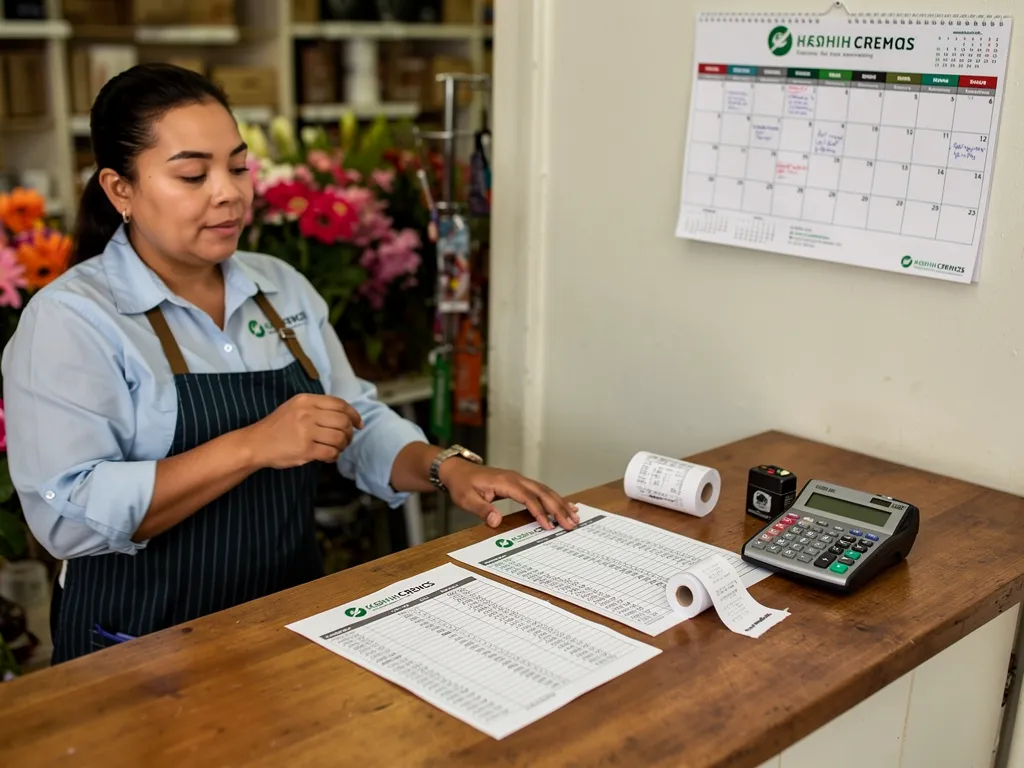
Analyzing business cash flow starts with tracking every dollar that enters and leaves the company on a consistent schedule. Cash flow functions as the lifeblood of a business; running dry on it stalls hiring, inventory purchases, and expansion plans alike. Owners who treat this analysis as a core piece of their financial health routine catch problems months before they become crises.
Follow these steps to build a repeatable cash flow analysis process:
Pull the current cash flow statement and list every inflow and outflow by category.
Review the statement on a regular schedule, weekly or monthly, to track where cash is coming from and where it is going.
Compare actual cash reserves against operating expenses to confirm the business holds enough of a buffer to cover 3-6 months of costs — one of the clearest financial health indicators for business owners tracking their own runway.
Flag any month where outflows outpace inflows and investigate the cause before it repeats.
Match findings against a broader business assessment of debt load, revenue trends, and upcoming obligations.
Structured cash flow strategies exist for exactly this reason: they keep working capital available before a shortage turns urgent, rather than forcing owners to scramble once bills are already overdue.
What counts as a healthy cash reserve?
A healthy reserve covers three to six months of operational expenses. That cushion lets a business absorb a slow sales month, an equipment repair, or a delayed client payment without missing payroll or vendor terms.
How often should cash flow get reviewed?
Monthly review works for most small businesses, though fast-growing or seasonal companies benefit from weekly checks. Consistent review turns cash flow analysis into an early-warning system instead of a once-a-year scramble.
Business owners preparing for a lender conversation should treat this analysis as a readiness check first. Lenders scrutinize cash flow closely, and a business that already understands its own numbers walks into that conversation with far more confidence and negotiating strength.
How Do You Evaluate Debt And Credit Position?

A thorough evaluation starts with matching existing debt against the equipment. Vehicle assets it finances, then checking whether that debt is actively building the company's credit file. Debt evaluation is not just about balances owed. It's about whether every dollar borrowed is doing double duty: funding operations and strengthening the credit profile lenders review later.
Equipment credit lines offer a clear example of debt working on two fronts at once. A business gets the equipment it needs immediately, builds credit through consistent on-time use, and deducts the payments as a business expense. Fleet credit lines follow the same pattern on a larger scale, letting a company finance multiple vehicles simultaneously while building business credit and locking in valuable tax deductions.
What Does A Strong Debt Position Look Like?
A strong position pairs manageable, asset-backed debt with steady reporting to business credit bureaus. Weak positions carry debt that drains cash without building any credit history at all.
Reviewing debt position works best as a structured process:
List every open credit line, loan, and lease tied to the business.
Confirm each account reports to business credit bureaus, not just personal ones.
Compare monthly payment obligations against current cash flow.
Check whether equipment or fleet financing is generating deductible expenses.
Match remaining debt capacity to a lender network suited for the business's risk profile.
Why Does Lender Access Matter For Credit Position?
Lender access determines whether a business can find financing structured for its specific situation instead of settling for whatever is available. Connecting to more than 1,000 national and local lenders makes it far easier to match a debt product to a company's actual risk profile, rather than forcing a mismatched loan onto the books.
This kind of review sits at the center of overall financial health. Managing debt and credit responsibly is recognized as one of its core pillars. A disciplined business assessment of debt, paired with a routine readiness check of reporting accuracy, keeps a company positioned for stronger terms as it grows.
How Do You Run A Business Assessment?

A business assessment starts with a scan that reveals exactly where a company stands with lenders before any application goes out. This step matters because credit gaps discovered after submission cost owners approvals, time, and negotiating strength at the table. A proper financial health review maps those gaps. Builds a clear roadmap toward funding, rather than leaving owners to guess what underwriters see.
What steps make up a solid readiness check?
A dependable readiness check follows a defined sequence, each step building on the last.
Pull the current credit and identity data lenders use to evaluate the company.
Compare that data against the standards underwriters apply for approval.
Identify specific gaps — missing trade lines, inconsistent business identity records, thin history — that lower approval odds.
Build a corrective roadmap that closes those gaps in priority order.
VIP Business Credit runs this process through a small, three-person team, which keeps the review concierge-style rather than assembly-line. Owners working through this business assessment get direct attention instead of a call-center handoff.
Why does the business's own EIN matter in this process?
Assessing a company under its own EIN, not the owner's Social Security number, separates personal liability from business risk. This distinction sits at the center of building a credit profile lenders actually trust. It shows the business has standing independent of its founder.
Sound judgment during any assessment also depends on grasping a few core financial ideas. Compound interest, inflation, and risk diversification shape how lenders read a company's numbers over time. Owners who understand these concepts interpret their own results with far more confidence, turning a raw report into a genuine decision-making tool.
How Do You Complete A Funding Readiness Check?

A completed readiness check starts with a structured, pre-qualification style review of the business's current standing with lenders. This lender readiness checklist walks business owners through a defined sequence rather than guessing at their odds, which builds confidence before any application goes out.
Gather core business records. Owners pull entity documents, banking history, and revenue statements before starting the review.
Run the pre-qualification review. This step shows which funding programs the business already qualifies for and which ones need more preparation first.
Identify eligibility gaps. Advisors pinpoint the specific weak spots holding a profile back from stronger approvals.
Match products to the business. Once gaps surface, the process narrows down which funding options actually fit the company's stage and risk profile.
Verify identity consistency. Owners confirm that business name, address, and contact details match across every record lenders and vendors check.
Review results with an advisor. A local review session translates findings into a concrete action plan.
VIP Business Credit conducts these reviews from its Sterling, Virginia office, supporting regional business owners as well as clients working remotely across the country.
Why does eligibility gap analysis matter so much?
Gaps in eligibility explain why two similar businesses receive very different offers from the same lender. Identifying the gap first — thin trade history, inconsistent identity data, missing financial statements — lets an owner fix the actual problem instead of applying blind.
What role does identity consistency play in a readiness check?
Lenders and vendors compare business identity data across multiple databases before extending credit. Mismatched addresses or names between filings and credit files raise red flags. Fixing these inconsistencies during a business assessment removes friction before a formal loan application ever gets submitted.
How Do You Build Ongoing Financial Health Habits?

Consistent monitoring builds lasting financial health, not a once-a-year review. Businesses that track inflows and outflows on a regular schedule catch problems early, long before they threaten payroll or vendor relationships. A habit built on frequent check-ins beats a single annual audit every time.
Small business owners face a real cost for skipping this discipline: cash gaps go unnoticed, credit opportunities close, and lenders lose confidence. Building habits that protect the business requires structure, not guesswork.
What daily or weekly habits matter most?
Tracking cash movement weekly, rather than waiting for month-end reports, catches shortfalls before they become emergencies. Owners who review labor costs, fixed expenses, and variable spending on a set schedule spot trends early. This routine forms the backbone of any credible business assessment.
How does ongoing advisory support fit in?
Local Business Credit Advisors deliver personalized, concierge-level guidance designed to keep owners on track between major financing decisions. Rather than disappearing after a loan closes, these advisors stay engaged, helping business owners maintain healthy credit habits as circumstances change.
Building habits also means staying connected to options. Access to a network of more than 1,000 national and local lenders keeps financing paths open as a company's needs evolve. Owners never feel boxed into one product or one moment in time.
Practical steps to build the habit:
Review cash inflows and outflows weekly.
Schedule a recurring readiness check with an advisor.
Reassess lender fit as revenue or risk profile shifts.
Confirm pricing and terms stay transparent before signing anything new.
VIP Business Credit, at vipbizfunds.com, positions itself as a long-term partner rather than a one-time broker, backing every recommendation with transparent, no-surprise pricing.
What Mistakes Derail Business Financial Health?

Four recurring errors quietly erode financial health at small and midsize companies: reactive cash management, blended personal and business liability, neglected balance sheets, and ignored wellness basics like insurance and debt planning. Each mistake compounds over time, turning a manageable gap into a lender-facing red flag during any serious business assessment.
Why does waiting until cash runs low hurt a business?
Owners who wait until working capital runs short, rather than planning ahead, put their companies in a reactive posture. Scrambling for funds after a shortfall already exists leaves little room to negotiate favorable terms. A steady cash flow strategy keeps capital available before it's urgently needed, not after the gap appears.
Mixing personal and business finances creates a second major risk. Skipping EIN-based credit building leaves personal assets exposed to business debts and liabilities. This single habit undermines the core purpose of forming a company in the first place: separating what the owner owns from what the business owes.
A thorough readiness check also requires reviewing the balance sheet regularly. This statement shows what a business owns and owes at a specific point in time. Owners who overlook it miss a clear, current picture of net worth and risk.
Broader financial wellness habits matter too. Neglecting insurance coverage and debt management undermines long-term stability even when day-to-day cash flow looks fine.
Common derailers include:
Reacting to cash shortages instead of forecasting them
Building credit under a personal Social Security number instead of the business EIN
Skipping regular balance sheet reviews
Delaying insurance and debt planning until a crisis forces the issue
Correcting these habits early protects both the company's credit profile and the owner's personal financial security.
FAQ
What core documents belong in a business financial health checklist?
The checklist centers on three statements: the cash flow statement, the profit and loss statement, and the balance sheet, each revealing different aspects of financial condition to lenders.
How does VIP Business Credit help identify financial health gaps?
VIP Business Credit's business credit assessment tool scans business credit strength across its network of over 1,000 national. Local lenders, then builds a roadmap toward higher-limit financing.
Why does EIN-based credit matter for business financial health?
EIN-based credit separates business and personal finances, protecting personal assets while giving the company its own bankable identity and simplifying tax preparation.
Conclusion
In closing, completing a business financial health checklist transforms abstract concerns into concrete action steps. You've now mapped your cash flow, reviewed your credit profile, and identified the gaps holding your business back from stronger lending terms. This systematic approach builds the foundation every lender evaluates—and positions your company as a lower-risk investment. The work you invest today in financial clarity directly unlocks better capital options tomorrow.
About The Author
Lee Johnson is the Co-Founder and CEO of VIP Business Credit, a seasoned Real Estate Investor, Business Growth Strategist, and Master Certified Professional Coach with more than 500 coaching hours. He holds a Bachelor of Science from Fairleigh Dickinson University and a Master of Business Administration from the University of Phoenix. Since 2005, Lee has built a personal real estate investment portfolio exceeding 1,700 units valued at approximately $254 million across multiple U.S. markets.
Lee's mission is to help small business owners — including those in home services, trucking, and real estate — achieve financial freedom by first establishing a strong business credit profile, then accessing the highest loan amounts at the best terms available. He and his team serve business owners nationwide through VIP Business Credit's signature 12-month coaching program.
Connect with Lee and VIP Business Credit:
Phone: (571) 248-3863
Email: [email protected]


