Retail Loans: Funding Inventory and Store Growth
Retail Loans: Funding Inventory and Store Growth
Retail business loans for inventory and store expansion give owners working capital tied to the company's EIN rather than personal credit. VIP Business Credit connects retailers to financing options through a network exceeding 1,000 lending sources nationwide, covering inventory purchases, new locations, and e-commerce upgrades. With tailored retail loans and inventory financing solutions, store owners can secure essential store expansion funding for growth and operational success.
Key Takeaways
Inventory represents 15% of total assets for small businesses earning under $5 million annually, highlighting the need for effective inventory financing.
Retail store owners need capital for inventory, payroll, maintenance, and seasonal demand fluctuations, often accessed through specialized retail loans.
VIP Business Credit connects entrepreneurs to over 1,000 national and local lenders for comprehensive financing, including store expansion funding.
Northern Virginia and Greater Washington, DC retailers build EIN-based business credit through our services, strengthening their access to retail loans and inventory financing.
Why Does Inventory Tie Up So Much Cash?
Inventory absorbs a striking share of a retail business's total assets. For small businesses with annual revenues under $5 million, inventory accounts for an average of 15% of total assets, according to a recent study cited in industry research on inventory financing. That number represents shelves, storage units, and back rooms full of products that store owners have already paid for but haven’t yet sold. Cash spent on stock sits idle until a customer completes a purchase.
The balancing act between too little and too much inventory creates real financial strain. Stockouts drive customers to competitors and cost stores repeat business. Excess inventory does the opposite kind of damage: it locks up cash flow, reduces flexibility, and risks obsolescence when products go out of season or out of style.
What happens when a retailer holds too much stock?
Overstocked inventory turns into a hidden expense. Storage costs climb, cash reserves shrink, and unsold goods eventually lose value or become unsellable. Retailers carrying excess stock often find themselves short on capital exactly when a new opportunity for store expansion funding and inventory financing appears.
Why does timing matter so much for retail capital and inventory financing?
Retail success often comes down to having the right amount of capital at exactly the right moment. A retailer stocking up ahead of a seasonal rush needs funds weeks before revenue arrives. Missing that window means missing sales entirely.
This timing gap is where retail loans and inventory financing become essential tools rather than optional extras. Store owners facing cash-flow gaps need financing options matched to their specific situation, whether that means a short-term inventory purchase or a longer-term expansion plan. VIP Business Credit connects retail business owners to a network of over 1,000 national and local lenders, providing financing options designed for each store's inventory cycle and growth stage, ensuring timely and effective store expansion funding.

What Counts As Retail Loans For Inventory and Expansion?
Retail loans cover any financing product a store owner uses to purchase stock, cover seasonal demand spikes, or bridge the gap between paying suppliers and collecting sales revenue. Running a retail business requires careful attention to cash flow to keep shelves stocked and staff paid. Without that attention, a single slow month can stall reorders and leave popular items out of stock right when customers want them.
Retail financing exists precisely because expenses often arrive before revenue does. A shipment of winter coats needs to be paid for weeks before the first sale rings up. Inventory financing solves that timing problem by supplying working capital tied directly to stock purchases. Store owners are not forced to drain reserves or delay reorders, providing a solid backbone for sustained store expansion funding.
What Types of Retail Loans Cover Inventory Costs?
Several loan structures apply to inventory needs, though terms and eligibility vary by lender and business profile:
Lines of credit — revolving access to funds for repeated inventory purchases throughout the year, facilitating effective inventory financing
Term loans — a lump sum repaid on a fixed schedule, often used for large seasonal stock-ups or store expansion funding
Inventory-specific financing — capital tied directly to the goods being purchased, with the stock itself sometimes serving as collateral, providing secure and focused inventory financing
VIP Business Credit connects clients to a broad network of lenders, spanning traditional banks, alternative finance providers, and specialized programs matched to a business's stage, sector, and risk profile. That range matters because a boutique restocking accessories has different needs than a multi-location retailer planning store expansion funding alongside inventory growth supported by effective inventory financing.
Does Inventory Financing Affect Personal Credit?
Structuring financing correctly keeps personal liability separate from business obligations. VIP Business Credit builds credit tied to the company's EIN rather than the owner's Social Security number, which protects personal assets while the business establishes its own borrowing track record. Store owners pursuing repeated inventory financing through retail loans benefit most from this separation. Frequent borrowing under the business's own identity strengthens future approval odds and streamlines access to store expansion funding.
How Does Inventory Financing Actually Work?
Inventory financing supplies working capital earmarked for stocking products, meeting seasonal demand, and funding expansion without draining cash reserves. Retailers use it to bridge the gap between paying suppliers and collecting revenue from customers. A store gearing up for a busy season, for example, needs cash on hand before that season's sales ever arrive, making reliable retail loans and store expansion funding crucial.
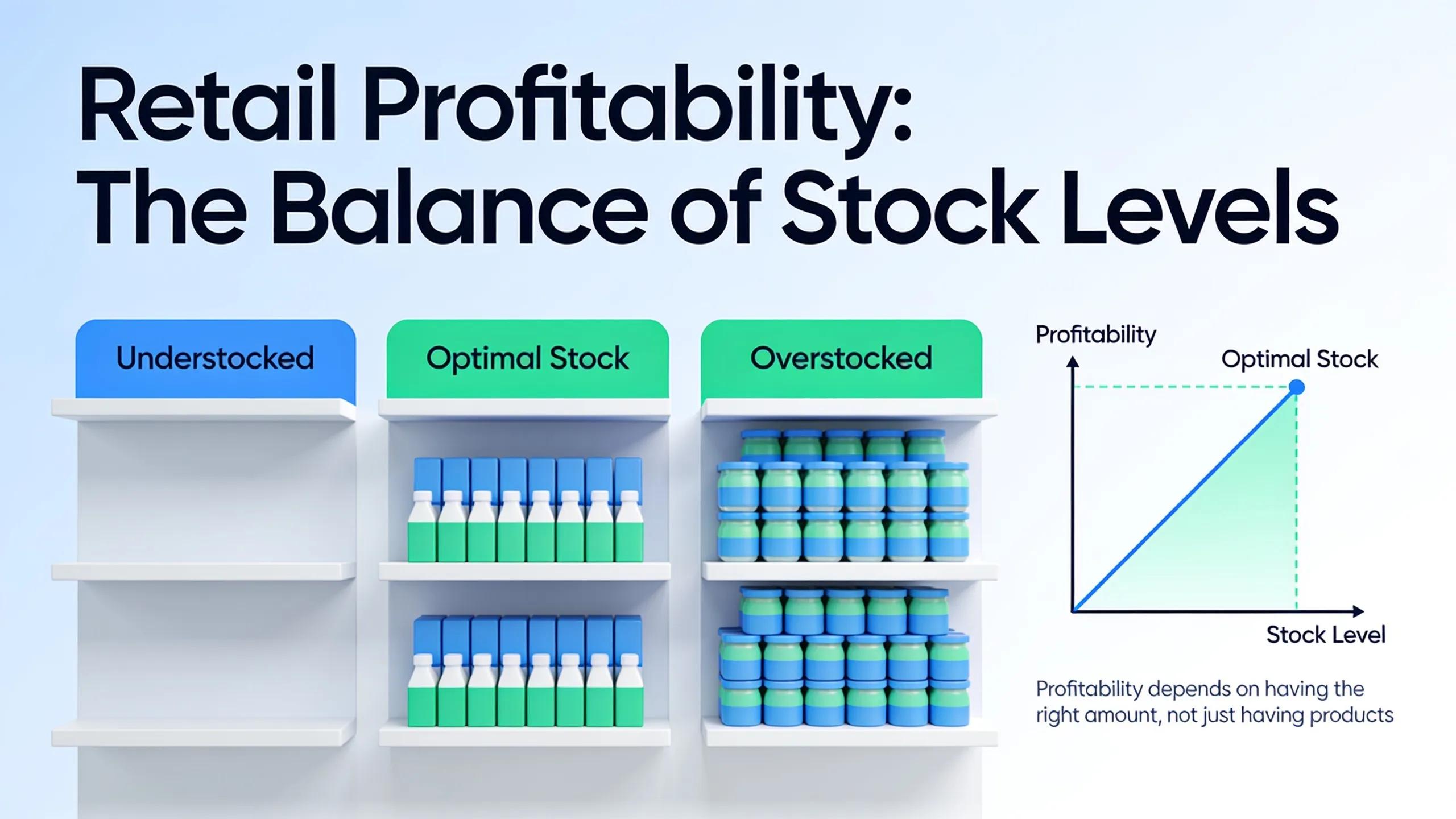
Retail profitability depends on more than having products; it depends on having the right amount at the right time. Maintaining optimized inventory levels is central to sustained growth in a competitive retail environment. Too much stock ties up cash and space. Too little means missed sales and frustrated customers. Financing tools help store owners strike that balance without gambling their entire cash reserve on a single order cycle.
What Financing Options Support Inventory and Equipment Needs?
Retailers often need more than stock on shelves; they also need the equipment that keeps operations running. VIP Business Credit's equipment credit lines let retailers get needed equipment now, build credit while using it, and deduct payments as business expenses. That combination — immediate access plus credit-building plus tax treatment — makes equipment financing a practical companion to standard retail loans and inventory financing.
Why Does Cash Flow Timing Matter So Much?
Timing determines whether financing actually solves a problem or just delays it. VIP Business Credit's cash flow management service ensures working capital is available when needed, preventing shortages from impacting the business. Retailers planning store expansion funding benefit from this approach because expansion costs — buildout, initial inventory, staffing — tend to hit before new-location revenue catches up, making precise timing for retail loans and inventory financing indispensable.
Consider the general rhythm most retail financing follows:
Assess inventory or expansion needs against upcoming demand
Secure financing sized to the specific purchase or project, often through targeted retail loans and inventory financing
Deploy capital toward stock, equipment, or new-location costs
Repay as sales revenue comes in, preserving daily cash reserves and supporting ongoing store expansion funding

Can SBA Loans Fund Store Expansion?

Yes. Federal guarantees behind SBA loans give retailers access to competitive rates, flexible repayment terms, and funds that cover everything from restocking shelves to renovating a storefront. Retailers who skip this option often pay higher rates elsewhere or stall growth plans altogether. A retail owner planning a second location loses momentum without the right structure of retail loans and store expansion funding behind that expansion. Traditional bank financing rarely offers the same combination of low cost and flexibility.
The SBA 7(a) program stands out as the workhorse for retail expansion. It covers working capital, equipment purchases, and real estate acquisition up to $5 million, with repayment schedules stretching 10 to 25 years depending on how the funds get used. That long runway matters for retailers: a 25-year term on a real estate purchase keeps monthly payments manageable while new locations build revenue.
What Can SBA Funds Actually Cover for a Retail Business?
SBA loan proceeds stretch across multiple needs at once. A single loan might fund inventory financing for a seasonal rush, cover renovation costs for an aging storefront, and finance the equipment needed for a new checkout system, combining both operational and store expansion funding.
How Does a Retailer Find the Right SBA Program?
Matching a business to the correct SBA product takes more than a quick search. VIP Business Credit connects retail clients to a network of more than 1,000 lending options, spanning traditional banks, alternative finance providers, and specialized programs built for store expansion funding. Local Business Credit Advisors then provide concierge-level guidance, walking each retailer through eligibility requirements and matching them to the SBA structure that fits their growth stage and retail loans requirements.
What Does Store Expansion Funding Require?
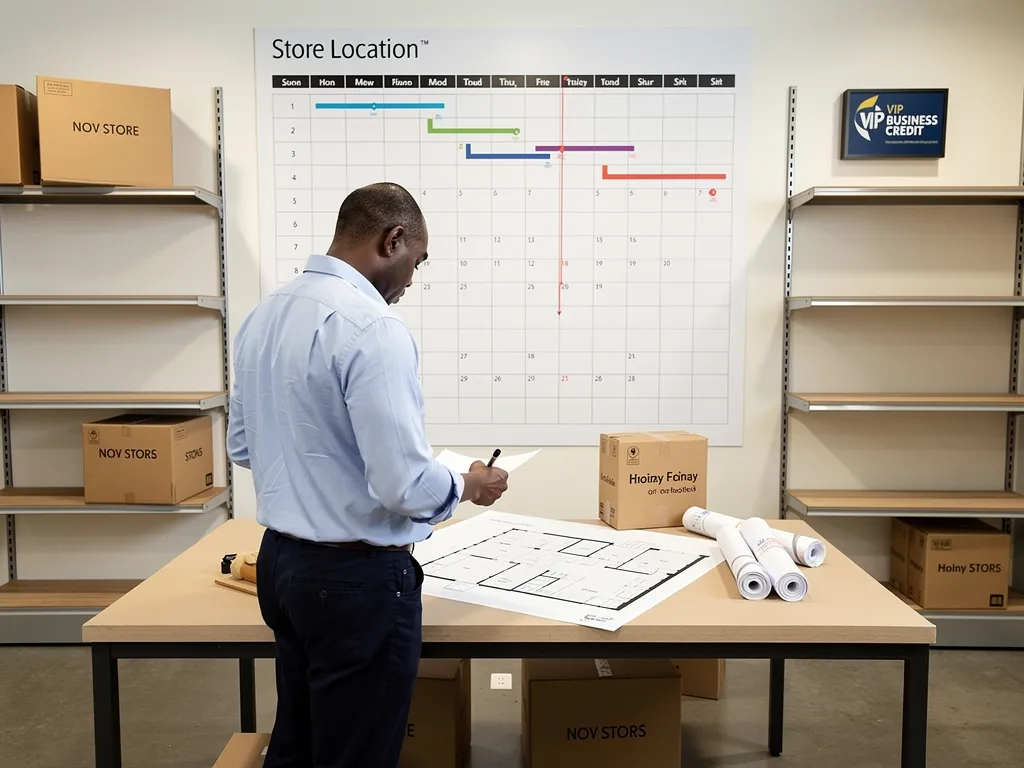
Store expansion funding requires enough capital available at the right moment, whether a retailer plans a new physical location or an upgraded online platform. Timing matters as much as the total amount raised. A retailer that secures capital too late risks losing a lease, a seasonal window, or a competitive edge to a faster-moving competitor.
Retail growth rarely follows one script. A single-location boutique preparing for its first storefront needs a different approach to store expansion funding and inventory financing than a multi-site chain growing logistics and supply networks.
FAQ
What does inventory financing help retailers avoid?
Inventory financing supplies working capital tied to stock purchases, helping store owners pay suppliers before sales revenue arrives and avoid stockouts that drive customers to competitors. By using effective retail loans aimed at inventory needs, retailers maintain inventory levels that prevent lost sales and support sustainable business growth.
What is the difference between a line of credit and a term loan for inventory?
A line of credit gives a retailer revolving access to funds for repeated inventory purchases throughout the year, drawing and repaying as needed. A term loan provides a lump sum repaid on a fixed schedule, which suits large seasonal stock-ups or a specific store expansion project. Retailers often pair both depending on whether the need is ongoing or one-time.
How long does it take to get approved for retail inventory financing?
Approval timelines vary by lender and the type of financing, but working with a network of more than 1,000 national and local lenders allows a retailer's Business Credit Advisor to match the request to lenders suited to the business profile, which helps avoid delays that come from applying to the wrong program first.
Can a new retail business qualify for SBA-backed expansion funding?
Newer retailers can qualify for SBA programs, though eligibility depends on factors like time in business, revenue, and credit profile. The SBA 7(a) program covers working capital, equipment, and real estate, so a Business Credit Advisor reviews a retailer's specific situation to match them to the right structure.
About The Author
Lee Johnson is the Founder of VIP Business Credit, a seasoned Real Estate Investor, Business Growth Strategist, and Master Certified Professional Coach. Bringing over 25 years of experience in business finance and credit strategy, Lee specializes in guiding entrepreneurs to build fundable, lender-ready business credit profiles tied to an EIN rather than personal SSNs, separating business and personal liabilities.
Contact VIP Business Credit
📞 Phone: (571) 248-3863
✉️ Email: [email protected]
📅 Consultation: Schedule A Business Financial Health Strategy Call
🌐 Website: https://vipbizfunds.com
🎯 [FREE Business Success Scan](https://vipbizfunds.com/bizscan): FREE Business Success Scan
📍 Service Area: Serving Sterling, VA and businesses nationwide
Conclusion
Retail success depends on having capital available at the right moment, whether that means restocking shelves before a seasonal rush, smoothing out the gap between paying suppliers and collecting sales revenue, or funding a new storefront before the lease window closes. Retail loans and inventory financing exist to close that timing gap, giving store owners the flexibility to grow without draining cash reserves or stalling reorders.
Building that capital access through the business's own EIN, rather than personal credit, protects owners while strengthening the business's standing for future financing. With a network of more than 1,000 national and local lenders and Business Credit Advisors who match each retailer to the right structure, whether an SBA 7(a) loan, a line of credit, or inventory-specific financing, VIP Business Credit helps retail owners across Northern Virginia, Greater Washington, DC, and nationwide secure the store expansion funding their growth requires.


