Restaurant Business Loans — Sterling, VA: A Practical Guide to Funding Your Local Eatery and Building Business Credit
Restaurant Business Loans — Sterling, VA: A Practical Guide to Funding Your Local Eatery and Building Business Credit

By Lee Johnson, VIP Business Credit
Opening or growing a restaurant in Sterling, VA takes careful planning and reliable access to capital. With tough competition and tight margins, owners need to know which funding routes fit their goals—and how to make their business lender-ready. This guide breaks down the most relevant loan types for local restaurants, practical credit-building steps, and the application actions that improve approval odds. You’ll learn how to match funds to purpose (equipment, working capital, renovations), get your paperwork in order, and protect personal assets while building business credit for future borrowing.
Key Takeaways
- Local restaurant financing options include SBA loans, microloans, business credit lines, merchant cash advances, and grants.
- Strong business credit starts with the right legal structure, separate bank accounts, and trade lines from suppliers.
- Separating personal and business money improves creditworthiness and shields personal assets from business risk.
- Successful SBA applications hinge on organized documentation and clear cash-flow projections.
- Business credit lines offer flexible access—interest applies only to what you draw.
- Merchant cash advances can deliver fast cash but usually cost more and should be used sparingly.
- Grants don’t require repayment but demand competitive, outcome-focused proposals.
- Credit coaching helps owners polish applications and become more lender-ready.
- Regularly reviewing credit reports keeps records accurate and supports better financing choices.
Comprehensive Guide on Restaurant Business Loans in Sterling, VA
Restaurant loans provide tailored capital for specific needs—opening day costs, remodels, new equipment, or smoothing payroll. Each funding source has its own eligibility rules, timeline, and cost structure, so understanding the options helps you pick the right mix. Think about the use of funds first, then package your application to match what lenders expect: clear use-of-proceeds, realistic projections, and the documents that prove your operations and revenue.
Funding Options for Local Eateries:

| Type of Loan | Description | Eligibility | Application Process |
|---|---|---|---|
| SBA Loans | Government-backed programs that typically offer lower interest rates and longer terms for small businesses. | Usually requires solid credit, a viable business plan, and supporting financials. | Comprehensive documentation and lender review; expect detailed underwriting. |
| Microloans | Smaller-dollar loans ideal for startups or very small operations. | Accessible to earlier-stage businesses or those with limited credit history. | Simpler application and faster decisions than larger loans. |
| Business Credit Lines | Revolving credit you draw from as needed—useful for working capital and seasonality. | Best for businesses with established banking and a solid credit profile. | Application focuses on financials, bank history, and credit checks. |
| Merchant Cash Advances (MCAs) | Advance against future card sales that provides immediate funds. | Works for businesses with steady credit card volume. | Quick approval but comes with higher fees and remittance terms. |
| Grants | Non-repayable funds for projects that meet specific community or program goals. | Highly competitive; awards often depend on impact and eligibility criteria. | Requires a focused proposal and budget; selection is merit-based. |
Many owners combine sources—using owner equity or small grants for startup costs, a credit line for day-to-day cash needs, and longer-term loans for major equipment or leasehold work. Matching term length to the spending purpose reduces refinancing risk and protects cash flow.
SBA Loans
SBA loans are a reliable option because the government guarantee usually means better terms than conventional loans. Lenders will ask for a detailed business plan, financial statements, and supporting documents like leases and permits. Prepare a clear use-of-proceeds statement and three- to five-year cash-flow projections to strengthen your case. Organized paperwork and a realistic repayment plan improve your chances of approval and competitive pricing.
Microloans
Microloans are a practical route for new restaurateurs or operators making modest investments. They’re smaller amounts with friendlier eligibility rules and often include technical assistance to help with budgeting and basic financial setup. Research local microloan programs and community lenders to find options that pair funding with guidance.
Business Credit Lines
A business credit line gives you the flexibility to borrow for short-term needs—payroll gaps, inventory purchases, or seasonal spikes—without paying interest on unused funds. Lenders will look at your credit history, bank relationships, and cash flow. Keep usage disciplined and pay down balances to maintain good credit utilization.
Merchant Cash Advances (MCAs)
MCAs can deliver quick capital by advancing against future credit card receipts. They’re tempting for urgent needs but come with higher costs and daily or weekly repayment holds that can strain margins. Use MCAs only when necessary and after modeling repayment impact on cash flow under slow-period scenarios.
Grants
Grants are attractive because they don’t need to be repaid, but they’re competitive and specific in purpose. Focus proposals on measurable community benefits or innovative programs, partner with nonprofits when appropriate, and provide a concise, accountable budget. Seek local economic development grants as well as state and federal opportunities.
Credit Building Strategies:
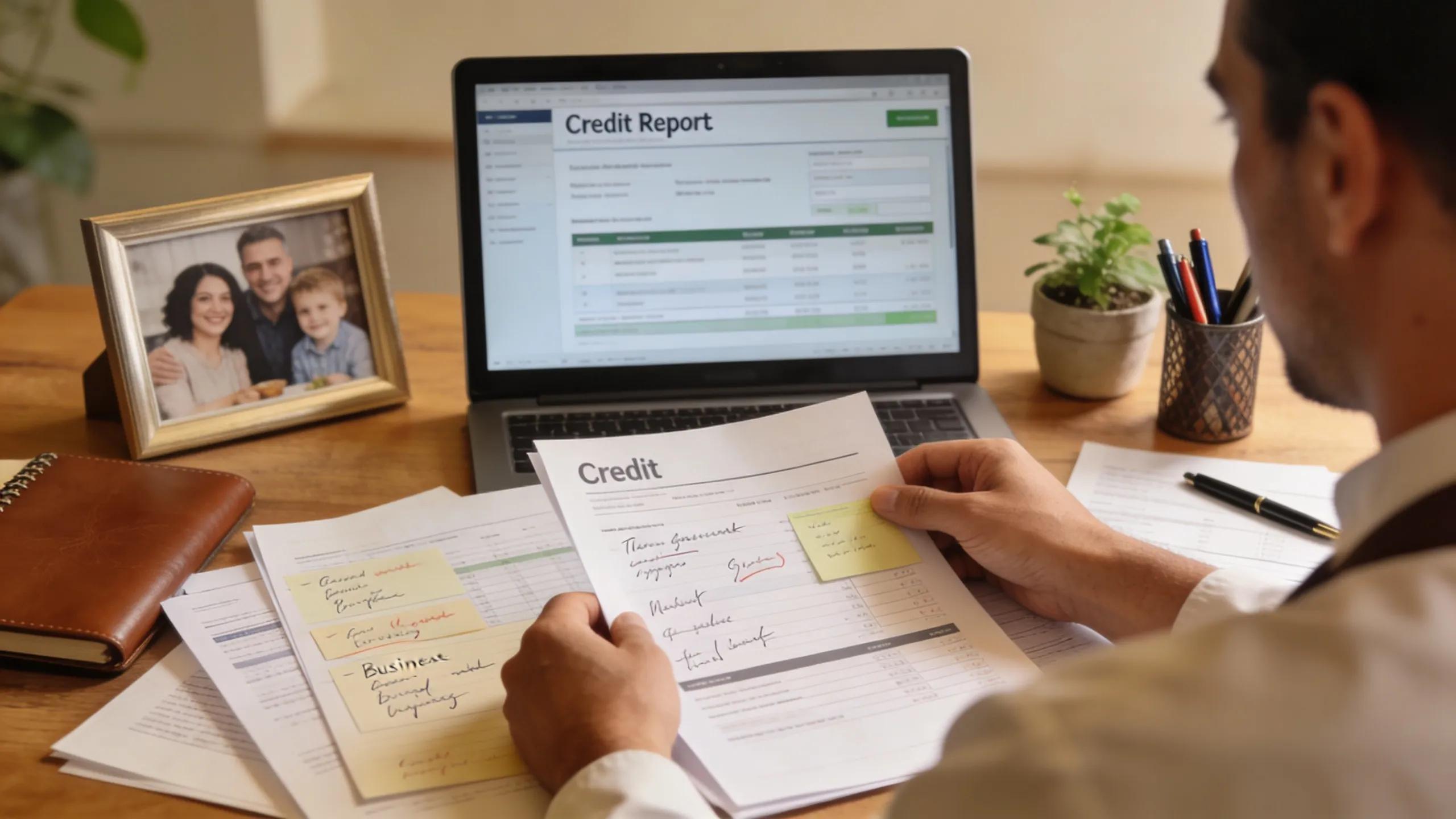
Building business credit makes future borrowing easier and improves terms. The following steps create a lender-ready profile:
- Form a legal business entity to separate liability and create a business credit identity.
- Open a dedicated business bank account to keep income and expenses clearly organized.
- Establish trade lines with suppliers so timely payments can be reported to credit bureaus.
- Monitor credit reports regularly to catch and correct errors quickly.
- Use business credit cards responsibly to build a positive payment history and manage short-term needs.
Establish a Legal Business Entity
Choosing an LLC or corporation protects personal assets and creates a separate credit footprint for the restaurant. Keep formation documents, operating agreements, and state registrations organized—lenders will expect them. Select the structure that fits your liability exposure, tax goals, and growth plans, and consult an advisor if you’re unsure.
Open a Dedicated Business Bank Account
Routing all revenue and expenses through a business account shows professionalism and simplifies bookkeeping. This clarity helps when lenders review your cash flow and can improve eligibility for loans and lines of credit. Use the account for payroll, vendor payments, and deposits, and keep reconciliations current.
Build Trade Lines with Suppliers
Start vendor relationships that report payment activity to business credit bureaus. Timely payments on Net-30 or other vendor accounts build positive trade history. Ask suppliers which bureaus they report to and request reporting when possible—these tradelines are a key part of demonstrating fundability.
Monitor Your Credit Reports Regularly
Check your business credit reports on a schedule—quarterly is a good baseline. Dispute inaccuracies immediately and keep records of communications. Staying on top of your reports prevents surprises during underwriting and helps you plan targeted improvements.
Utilize Business Credit Cards
Using business cards for recurring expenses and paying them off on time establishes consistent payment patterns. Keep utilization low, allocate predictable charges to cards, and avoid carrying high balances to protect scores. Rewards and vendor perks can also lower operating costs when used strategically.
Application Processes:
Knowing the application steps and preparing ahead saves time and increases approval chances. Key steps include:
- Pre-qualification assessment to confirm eligibility and narrow lender choices.
- Prepare required documentation so applications go in complete and organized.
- Engage in coaching for expert review and stronger applications.
- Submit applications carefully—double-check details and attachments.
- Await approval and stay responsive to follow-up requests.
Pre-Qualification Assessment
Use pre-qualification to check likely loan options without full paperwork. Review credit scores, revenue trends, and funding needs to compare pricing, collateral requirements, and turnaround times across lenders. This step helps avoid unnecessary hard inquiries and narrows your best-fit products.
Prepare Required Documentation
Gather a concise loan packet: business plan and use-of-proceeds, recent profit-and-loss statements, balance sheets, tax returns, leases, permits, vendor contracts, and key resumes. Organized documents shorten underwriting and make it easier to answer lender questions quickly.
Engage in Coaching
Working with a coach or advisor can polish your projections, format financials for lenders, and identify weak spots before submission. Coaches help prioritize which lenders to approach and often improve the quality of applications, raising approval odds.
Submit Applications
When you apply, ensure every field is accurate and all attachments are included. Keep a digital and physical folder of what you submitted and track each application’s status. Promptly respond to lender follow-ups to avoid delays in underwriting.
Await Approval
Approval timelines vary by product—SBA loans take longer, while microloans and MCAs can be faster. Stay proactive during the review: answer questions quickly, provide updated financials if requested, and use the waiting time to finalize vendor agreements or site details tied to the financing.
What are the Best Restaurant Funding Options in Sterling VA?
The best choices depend on your needs: use SBA loans for larger, long-term investments; microloans for modest startup needs; credit lines for working capital; MCAs for urgent short-term cash (with caution); and grants for community-focused projects. Combining sources often yields the most resilient financing plan—short-term products for immediate needs and longer-term loans for capital expenses.
How Does Business Credit Coaching Help Secure Funding?
Credit coaching gives you a tailored plan to strengthen your business profile, prioritize actions, and package stronger loan applications. Coaches can review offers, compare terms, and help sequence financing so you retain borrowing capacity while growing—reducing mistakes that cost time and money.
How to Form Your Business Entity and Register for an EIN for Your Restaurant?
Forming an LLC or corporation starts with picking a unique name and filing formation documents with the state. Next, get an Employer Identification Number (EIN) from the IRS—this is required for tax reporting and opening a business bank account. Keep your formation certificate, EIN confirmation, and operating agreement in your loan packet to prove legitimacy to lenders.
What Business Structures Best Support Restaurant Loans in Virginia?
Each structure—sole proprietorship, partnership, LLC, or corporation—has different liability and tax implications. LLCs are common for restaurants because they protect personal assets and offer operational flexibility. Talk to a local attorney or accountant to choose the structure that aligns with your credit, tax, and ownership plans.
What is the Step-by-Step EIN Registration Process in Sterling VA?
- Determine eligibility: Confirm you qualify to obtain an EIN for your business type.
- Apply for the EIN: Complete the IRS application online, by phone, or by mail.
- Receive the EIN: If you apply online, you typically receive the EIN immediately; mailed applications take longer.
Keep the EIN confirmation in your records and present it when opening bank accounts or vendor accounts so partners can verify your business quickly.
How Can You Separate Personal and Business Finances for Better Credit?
Open a business bank account, use business credit cards for operations, and route payroll through the business to create clear separation. Consistent, documented business transactions make bookkeeping easier and signal professionalism to lenders—improving fundability while protecting your personal assets.
Why is Financial Separation Important for Restaurant Business Credit?
Separation protects personal assets from business liabilities and gives lenders transparent financial records to assess repayment ability. Clean books and professional banking strengthen credibility and can lead to better loan terms and faster underwriting.
What Are Practical Steps to Set Up Business Bank Accounts in Sterling VA?
- Choose a banking institution: Compare local banks and credit unions for business-friendly accounts and merchant services.
- Prepare necessary documentation: Bring your EIN, formation papers, and business licenses.
- Open the account: Complete the application and make any required initial deposit.
Ask about integrated accounting tools, merchant-service bundles, and small-business packages that simplify reconciliation and reporting.
What Are Vendor Tradelines and Net-30 Accounts for Restaurants?
Vendor tradelines are credit relationships with suppliers that, when reported, help build your business credit history. Net-30 accounts let you buy inventory with 30 days to pay—establishing a reliable payment record that lenders can evaluate. Start with a few vendors and request that they report payments if they don’t do so automatically.
How Do Vendor Tradelines Build Your Restaurant’s Credit Profile?
Consistent, on-time payments to suppliers create positive tradelines that strengthen your credit profile. Over time, these entries show lenders you manage obligations responsibly—improving access to better financing options.
How to Use Net-30 Terms to Improve Business Fundability?
Use Net-30 terms to time inventory purchases with cash cycles and show steady, on-time payments. That reliable payment history helps lenders see your business as fundable—just be careful to avoid timing mismatches that could cause short-term cash shortages.
How to Understand and Apply for SBA Loans for Restaurants in Sterling VA?
Research SBA-approved lenders, review eligibility rules, assemble documentation, and prepare a solid business plan with cash-flow projections. Meet with lenders early to clarify acceptable collateral and any lender-specific paperwork that speeds underwriting.
What are SBA Loan Eligibility Requirements for Local Eateries?
SBA eligibility typically includes acceptable credit scores, a detailed business plan, demonstrated operations, and collateral where required. Lenders also consider management experience, local market demand, and historical sales—so document your background and market research clearly.
What is the SBA Loan Application Process and Timeline?
The process includes initial lender conversations, a formal application, and underwriting. Expect 8–12 weeks for many SBA loans, though timelines vary. Thorough preparation and quick responses to follow-up requests help move the file along.
How Can Long-Term Generational Wealth Be Built Through Business Credit?
Business credit supports reinvestment, measured expansion, and asset acquisition—tools that, when used responsibly, grow a business’s value and generate wealth over time. Pair borrowing with disciplined cash management and succession planning to convert business growth into lasting family wealth.
What Strategies Leverage Restaurant Business Credit for Wealth Building?
Use lower-cost, long-term financing for assets and refinance short-term debt when possible. Invest in productivity-driving equipment and locations with proven demand. Couple credit strategies with multi-year financial plans and metrics so growth is sustainable and margins are protected.
How Does VIP Business Credit Coaching Support This Wealth Strategy?
VIP Business Credit coaching helps you sequence financing, improve credit profiles, and package stronger loan applications. Coaches advise on timing, reportable tradelines, and lender selection so you preserve borrowing capacity while you scale—supporting long-term wealth objectives.
What Are Common Questions About Restaurant Business Loans in Sterling VA?
- How do I qualify for a restaurant loan in Virginia? Prepare a solid business plan, maintain good credit, and ideally show at least two years of operating history.
- What steps build a lender-ready business credit profile for my eatery? Form the business legally, open a business bank account, establish trade lines, and monitor credit regularly.
- How to get personalized business credit coaching in Sterling VA? Look for local services and advisors offering tailored coaching and loan-prep support.
- What does VIP Business Credit coaching include? Coaching covers credit-building tactics, application preparation, and financial-management best practices.
- How can coaching accelerate my restaurant funding success? Expert guidance clarifies lender expectations, reduces mistakes, and improves application presentation to increase approval chances.
Frequently Asked Questions
What Types of Grants are Available for Restaurants in Sterling, VA?
Restaurants can pursue federal, state, and local grants aimed at economic development, community projects, or disaster recovery. Each grant has specific eligibility and reporting requirements—successful applications highlight measurable community impact, a clear budget, and a realistic timeline. Engage local business groups to learn about timing and opportunities.
What should be included in a Business Plan for Restaurant Funding?
Include an executive summary, concept and unique selling points, market analysis, management team bios, and detailed financial projections (cash flow, revenue, and expenses). Add an operations plan, supplier relationships, sample menus or design visuals, and any evidence of market traction to give lenders confidence in execution.
How Can Cash Flow Management Affect My Restaurant’s Loan Application?
Lenders scrutinize cash flow to determine your ability to repay. Clean, accurate financials and clear projections show stability. Include seasonal forecasts and contingency plans to demonstrate you can weather slow periods without defaulting on debt.
What Resources are Available for Restaurant Owners Seeking Funding Education?
Local Small Business Development Centers (SBDCs), chambers of commerce, the SBA website, and industry associations offer workshops, guides, and one-on-one counseling. Networking with local owners and lender-hosted events can reveal underwriting priorities and introduce lending partners before you apply.
What are the Risks of Merchant Cash Advances for Restaurants?
MCAs often carry high fees and accelerated repayment that reduce daily cash available for operations. If sales decline, the remittance structure can create a debt cycle. Compare an MCA’s effective cost to other options and model stress scenarios before committing.
How Important is Business Credit Monitoring for Restaurant Owners?
Monitoring business credit is essential: it lets you spot errors or fraud early and understand factors affecting your score. Alerts for new inquiries or changes are especially useful when preparing to apply for financing.
Conclusion
Choosing the right mix of restaurant funding in Sterling, VA starts with clear goals, organized documentation, and a plan to build business credit. Use available resources, prepare applications carefully, and consider coaching to improve approval odds. With thoughtful financing choices and disciplined recordkeeping, you can strengthen your restaurant’s financial foundation and support long-term growth.
About the Author
Lee Johnson specializes in business credit and funding strategies for local entrepreneurs, including restaurant owners in Sterling, VA. He focuses on practical steps to build lender-ready profiles and secure financing that aligns with growth plans.
Contact Lee Johnson for personalized business credit coaching and funding consultations:
- Phone: <u>(571) 248-3863</u>
- Email: <u>[email protected]</u>
- Book a Consultation: <u>https://vipbizfunds.com/consultation</u>


