The Complete Guide to Building Business Credit: Vendor Tiers, Bureau Reporting, and Business Credit Scores
The Complete Guide to Building Business Credit: Vendor Tiers, Bureau Reporting, and Business Credit Scores
By Lee Johnson, VIP Business Credit
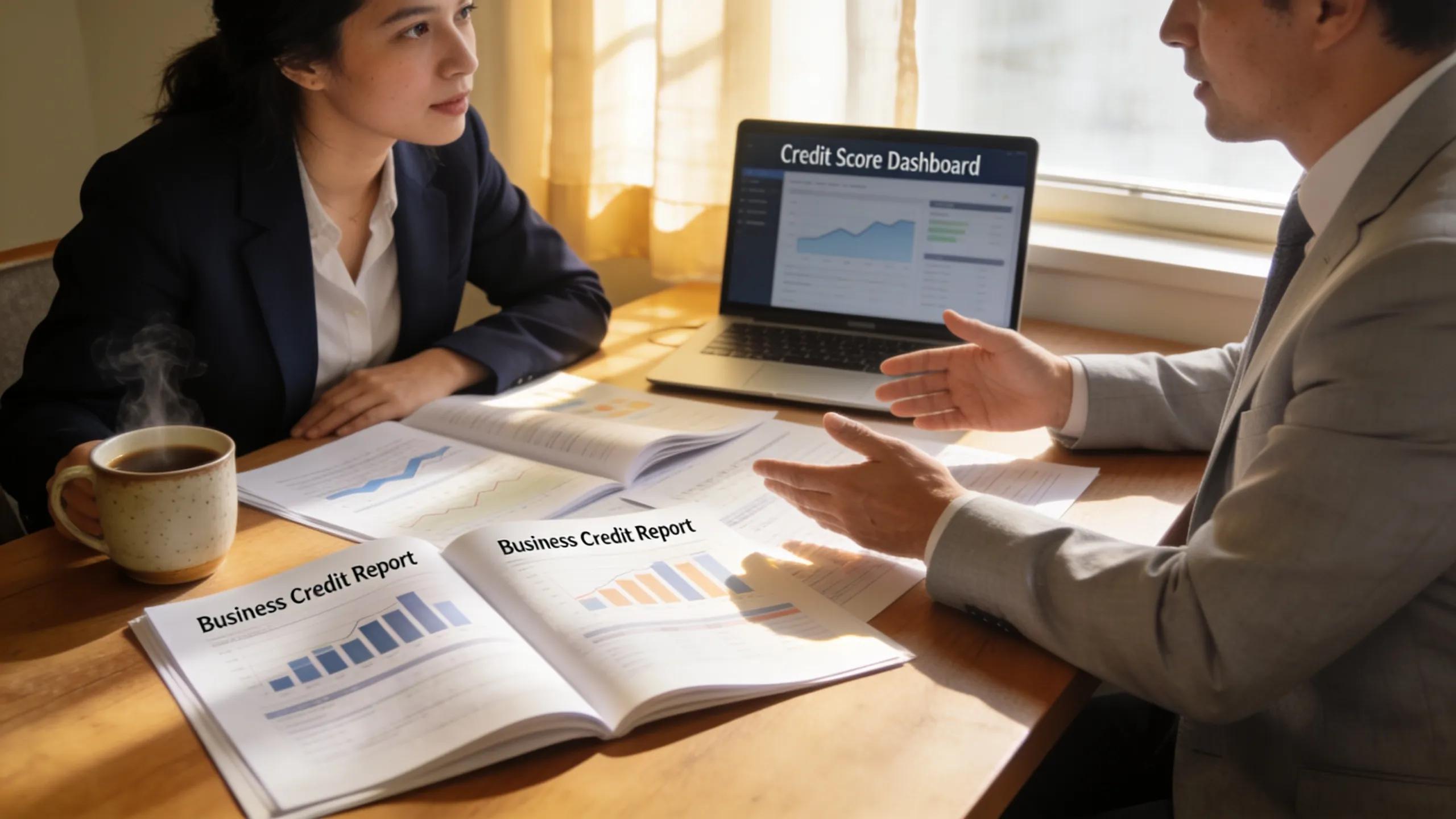
Building "business credit" is essential for entrepreneurs seeking to increase their financing options while protecting their personal assets. Business credit allows companies to access loans, favorable terms, and partnerships by showcasing their financial responsibility and stability. However, many small business owners remain unaware of the intricacies involved in establishing and maintaining a strong credit profile. This guide delves into critical aspects of building business credit, including vendor tiers, credit bureau reporting, and business credit scores.
With the potential for non-bankable scenarios, many small businesses struggle to secure funding. Establishing a solid business credit profile is the first step in overcoming these challenges. Throughout this article, we will examine the steps necessary to build business credit effectively, the significance and management of vendor tradelines, and how various credit bureaus play a role in the financing landscape. Our overarching goal is to empower small business owners with the knowledge needed to elevate their financial status.
Key Takeaways
- Business credit is a separate financial identity from personal credit, protecting personal assets while opening the door to loans and trade credit.
- Building strong business credit starts with forming a legal entity, obtaining an EIN, opening a business bank account, and establishing vendor tradelines.
- Net-30 vendor accounts that report to credit bureaus are one of the fastest ways to build a positive payment history.
- Dun & Bradstreet, Experian Business, and Equifax Business are the three major bureaus that compile and score business credit profiles.
- Keeping credit utilization below 30% and monitoring reports regularly are essential habits for maintaining and improving a business credit score.
- Tools like the Business Scan can analyze a company's financial profile against 150+ data points to match it with the right funding programs.
Comprehensive Guide to Building Business Credit

Understanding business credit means grasping its importance for any organization. Business credit reflects a company's ability to manage its financial obligations, independent of the owner's personal credit score. This distinction creates a crucial buffer between personal and business finances.
Business credit influences a company's ability to secure loans and trade credit, ultimately affecting its growth potential. By separating personal and business credit, owners can protect their personal assets while allowing their businesses to thrive. This guide will provide foundational knowledge about business credit, its significance, and the steps required for its establishment.
1. Understanding Business Credit
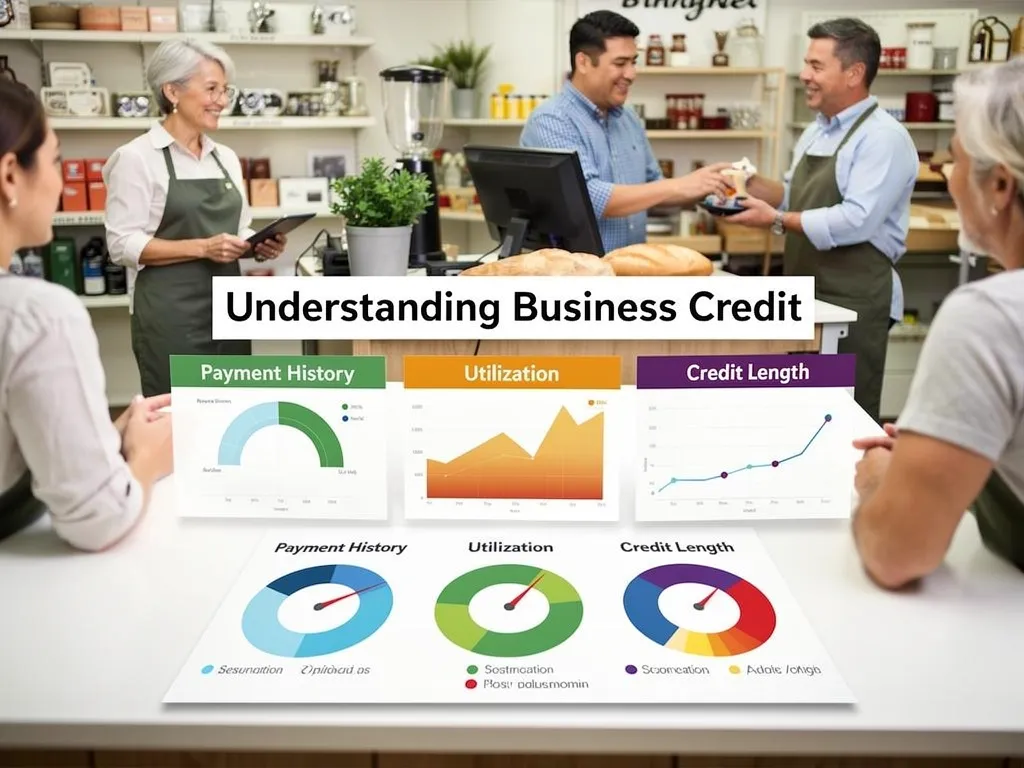
Business credit refers to a company's creditworthiness, assessed through its ability to pay debts on time over a specified period. This financial metric is critical for lenders and suppliers when evaluating the risk involved in extending credit to a business. Factors influencing business credit scores include payment history, credit utilization percentage, and the length of the credit history.
It's important to note that business credit differs fundamentally from personal credit. Personal credit evaluations typically consider an individual's financial history, while business credit focuses on the company's financial performance. Establishing a solid business credit profile requires understanding these distinctions and leveraging them to enhance financing opportunities.
2. Importance of Business Credit

The significance of business credit cannot be overstated. Companies with strong credit profiles can access a wider range of financing options, which can lead to better interest rates and terms. Here are some key benefits of establishing solid business credit:
- Access to Financing: A good credit score facilitates obtaining loans and credit lines, ensuring that businesses can sustain their operations and growth.
- Favorable Terms: Companies with strong credit histories may negotiate better repayment terms, decreasing the overall cost of financing.
- Protection of Personal Assets: By maintaining separate business credit, owners limit their exposure to personal liability, safeguarding their personal finances against business debts.
As small business owners navigate the challenges of funding, services like the Business Scan provided by VIP Business Credit can aid in assessing and improving credit profiles, offering tailored recommendations to enhance access to capital.
3. Steps to Build Business Credit

Building business credit involves several key steps that require careful attention and proactive management. Here’s an overview of the essential processes:
- Establish a Legal Entity: Registering the business as a corporation or LLC separates personal and business finances.
- Obtain an Employer Identification Number (EIN): This unique identifier is necessary for tax purposes and enhances business credibility.
- Open a Business Bank Account: Keeping commercial and personal finances separate helps build a distinct credit profile.
- Develop Trade Lines with Vendors: Engaging with vendors that report to credit bureaus can enhance credit history and scores.
- Monitor Credit Reports: Regularly checking credit reports ensures that the business’s credit profile remains accurate and reflects timely payments.
By diligently following these steps, small business owners can cultivate a strong credit history, which increases their attractiveness to investors and lenders.
4. Vendor Tiers and Tradelines

Vendor tradelines are crucial for establishing and enhancing business credit. These tradelines stem from relationships with suppliers and vendors who offer credit terms, often referred to as net-30 accounts. Timely payments for purchases to these vendors are reported to credit bureaus, positively impacting a business's credit profile.
Understanding vendor tiers allows businesses to maximize the benefits associated with different vendors. Here are some key components of vendor tradelines:
- What are Vendor Tradelines?: Vendor tradelines are credit accounts established with suppliers or service providers that report payment history to credit bureaus.
- Net-30 Accounts Explained: These accounts allow businesses to purchase goods or services with a 30-day payment window, encouraging responsible financial management.
- Importance of Timely Payments: Adhering to payment schedules not only builds credit history but also strengthens vendor relationships.
What Are Vendor Tradelines and How Do Net-30 Accounts Help Business Credit Scores?
Vendor tradelines play a pivotal role in shaping business credit scores by providing diverse credit lines that reflect a company's ability to service debt responsibly. Establishing net-30 accounts with reputable vendors builds a foundation for credit history and enhances scores. Benefits include improved credit profiles, access to better financing, and fostered trust with lenders.
How to Select and Manage Vendor Credit Lines for Maximum Credit Impact

Selecting the right vendors requires strategic consideration. Businesses should look for those who report to the major credit bureaus and offer favorable payment terms. Additionally, managing credit lines by maintaining low utilization and ensuring timely payments strengthens the credit profile and builds a positive reputation in the business community.
5. Business Credit Scores and Reporting

Understanding business credit scores and how they are determined is essential for any small business owner. Credit scores typically range from 0 to 100, with higher scores indicating better creditworthiness. Key factors affecting business credit scores include:
- Payment history: A record of on-time payments significantly boosts credit scores.
- Credit utilization: The ratio of credit used against available credit can impact scores adversely if it's too high.
- Credit length: A longer credit history generally results in higher scores.
Businesses must be proactive in maintaining their scores by monitoring reports for errors and discrepancies, as these can negatively impact creditworthiness.
6. Key Business Credit Bureaus

There are several primary business credit bureaus that evaluate and report business credit scores. The most notable include:
- Dun & Bradstreet (D&B): Known for the D-U-N-S Number, D&B is a foundational source for Dun & Bradstreet business credit profiles, assessing businesses and providing scores based on payment performance and credit utilization.
- Experian Business: Offers credit reports and scores to aid businesses in assessing credit risk.
- Equifax Business: Provides detailed credit reports and utilizes data to calculate business credit scores.
Research highlights how the role of credit reporting agencies is instrumental in determining a company's financial future.
How Credit Bureaus Help Businesses Secure Financing credit bureau makes it easier for an older firm to obtain credit Credit reporting and financing constraints, 2003
To cultivate a positive business credit profile, registrations with these bureaus are essential. Monitoring reports helps businesses ensure accuracy and assertiveness in addressing any inaccuracies.
7. Best Practices for Maintaining Business Credit
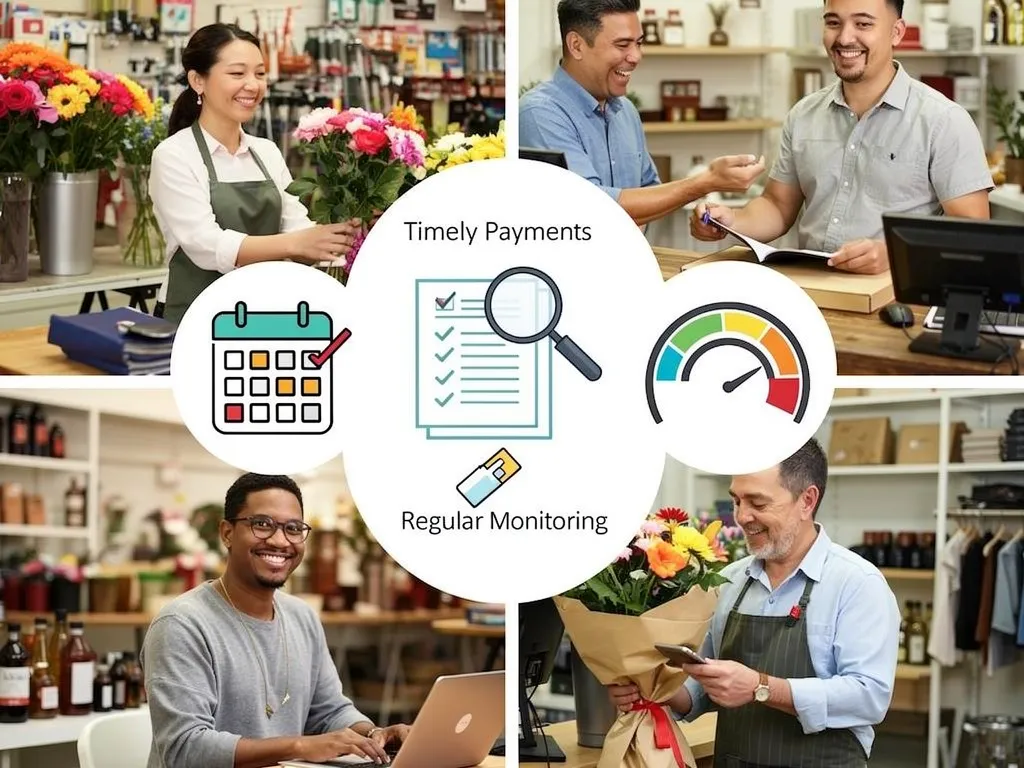
Maintaining a favorable business credit score requires consistent effort and diligence. Implementing best practices ensures that businesses can sustain their credit standing and achieve their financing goals. Here are essential practices to consider:
- Timely Payments: Always pay credit obligations on or before the due date to preserve a strong payment history.
- Regular Monitoring of Credit Reports: Frequently check reports to catch inaccuracies or fraudulent activities.
- Maintaining Low Credit Utilization: Aim to keep credit utilization below 30% of total available credit, as this demonstrates responsible credit management.
By adhering to these practices, businesses can significantly enhance their credit profiles and ensure access to vital funding options.
What Is Business Credit and Why Separate It from Personal Credit?

Business credit is a standalone measure of a business's financial health, separate from the owner's personal credit profile. This separation can lead to substantial financial benefits, including increased borrowing capacity and reduced personal risk.
How Does Business Credit Differ from Personal Credit?
Personal credit evaluates the individual's ability to service debt, while business credit focuses on the company's financial behavior. This distinction is vital for entrepreneurs, as leveraging business credit can facilitate growth without jeopardizing personal assets.
What Are the Benefits of Separating Personal and Business Credit?
Separating personal and business credit provides several advantages, including:
- Reduced Risk to Personal Assets: Limiting personal liability shields individuals from business-related financial issues.
- Improved Credibility with Lenders: A dedicated business credit profile enhances the trustworthiness of a business in the eyes of lenders and suppliers.
- Access to Diverse Credit Products: Businesses can explore financing options tailored to their operational needs without affecting personal finances.
How to Establish Your Business Entity and Obtain an EIN for Credit Building

Forming a legal entity is crucial for establishing business credit. Various structures exist, including sole proprietorships, LLCs, and corporations, each with unique benefits.
What Types of Business Entities Support Strong Credit Profiles?
Choosing the right entity type can significantly impact credit-building potential. Corporations and LLCs typically offer better protection and credibility than sole proprietorships, making them favorable for accessing business credit.
How to Register for an EIN and Why It Matters for Business Credit
Obtaining an Employer Identification Number (EIN) is essential for tax reporting and opening business bank accounts. The EIN not only facilitates growth but also strengthens the business's financial identity, which is vital for credit evaluations.
Which Vendor Credit Lines and Vendor Tradelines Build Business Credit Fast?
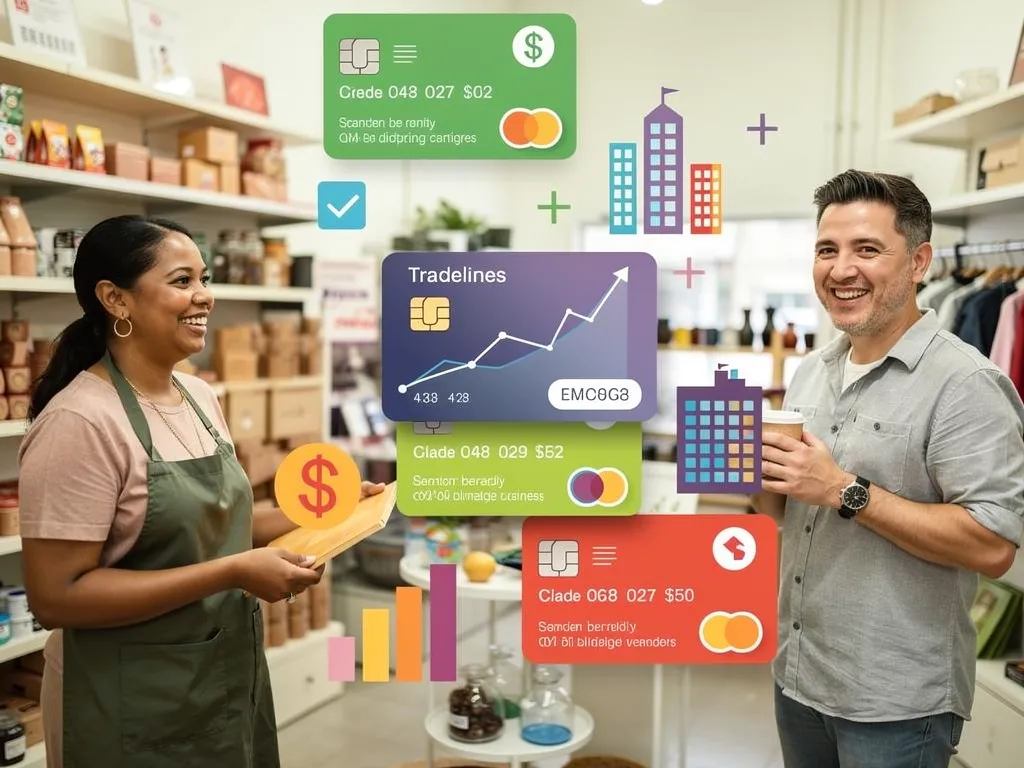
Selecting the right vendor credit lines and tradelines accelerates the establishment of business credit. Entities that report to credit bureaus enable faster credit building through consistent payment history. Businesses should prioritize vendors known for reliable reporting practices, since a tradeline only strengthens a credit profile if the activity actually reaches the bureaus. Starting with a small number of net-30 accounts and paying them off in full each cycle establishes an early pattern of reliability, which bureaus weigh heavily when calculating scores. As that foundation solidifies, businesses can progress to additional tiers of vendor and revolving credit, gradually building a more diverse and resilient credit file that supports larger financing needs down the road.
How to Select and Manage Vendor Credit Lines for Maximum Credit Impact
Choosing vendors wisely can have a significant impact on a business's credit profile. It's essential to select those that report to credit bureaus and offer relevant terms, thus enhancing the credit-building journey. Businesses should also track each vendor relationship over time, confirming that payments are reported accurately and addressing any discrepancies quickly, since an unreported or misreported payment does nothing to build the credit file. Diversifying across several reporting vendors, rather than relying on just one or two, further strengthens a credit profile by demonstrating consistent financial responsibility across multiple relationships, which lenders view favorably when assessing risk.
How Do Business Credit Reporting Agencies Influence Your Credit Profile?
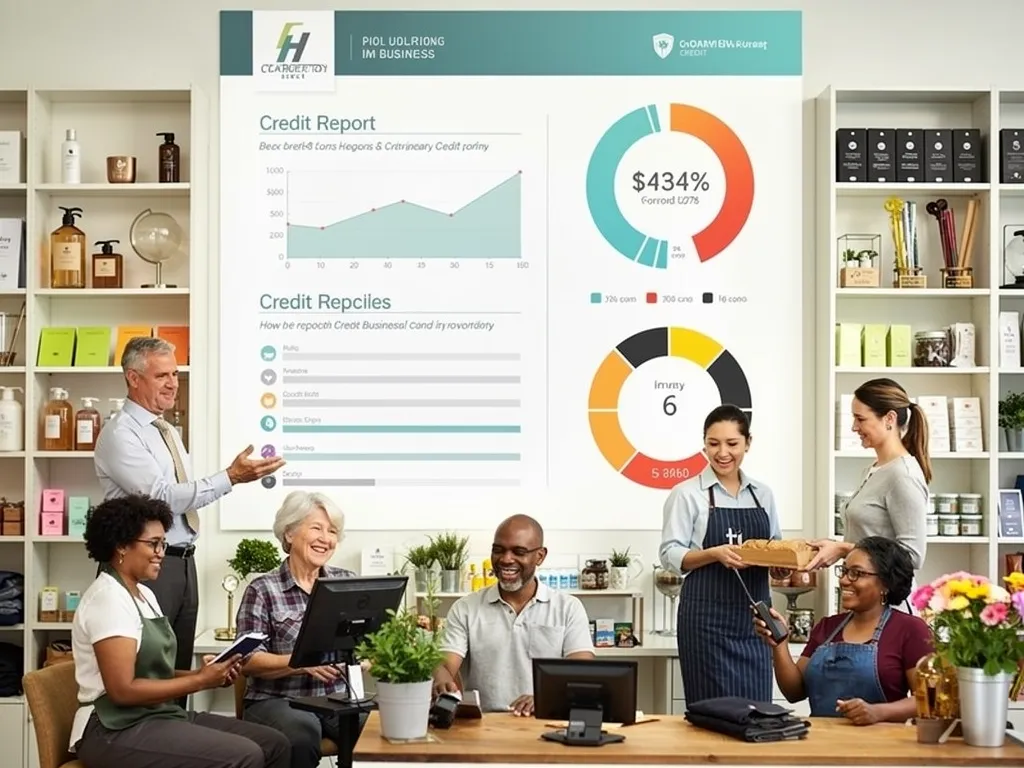
Understanding the influence of credit reporting agencies on business credit profiles is essential for maintaining a strong credit history. These agencies compile payment histories and financial data, which they then use to assess creditworthiness.
Which Are the Major Business Credit Bureaus and What Do They Report?
Dun & Bradstreet, Experian, and Equifax are the primary agencies. Each employs different criteria to evaluate business credit, including payment behaviors and credit utilization. Because the three bureaus don't always receive identical reporting data from vendors and lenders, a business's score can vary noticeably from one bureau to the next. This makes it important to register with all three and review each report independently, rather than assuming a strong profile with one bureau reflects the full picture across the others.
How Does Reporting Affect Your FICO SBSS Scores and Loan Eligibility?
Accurate reporting contributes significantly to FICO SBSS scores, impacting a business's loan eligibility. Lenders often require healthy scores to qualify for funding, underscoring the importance of maintaining accurate and timely reports. The FICO SBSS score draws on data from business and personal credit bureaus alongside financial statements, and many SBA lenders use it as an initial screening tool before underwriting a loan in full. A low or inconsistent score at this stage can eliminate a business from consideration before its full financial picture is even reviewed, which is why proactively monitoring bureau reports and correcting errors early carries real weight in the loan approval process.
What Funding Options Are Available: SBA Loans Versus Non-Bankable Alternative Financing?

When exploring funding options, small businesses can consider both SBA loans and alternative financing methods. Each presents unique benefits and requirements.
When to Choose SBA Funding and What Are Its Eligibility Criteria?
SBA loans are ideal for established businesses seeking low-interest rates and longer repayment terms. Eligibility often requires a solid credit history and demonstrated business viability.
What Non-Bank Funding Programs Can Support Businesses with Lower Credit Scores?
Non-bank alternatives offer various "funding programs", designed to accommodate businesses with lower credit scores. These programs typically focus on cash flow and operational viability rather than strictly credit scores.
SBA Loans vs. Non-Bank Alternative Financing
Choosing between traditional SBA financing and non-bank alternatives depends on a business's credit standing, timeline, and capital needs. Here's how the two options compare:
| Factor | SBA Loans | Non-Bank Alternative Financing |
|---|---|---|
| Credit Requirements | Strong personal and business credit history typically required | More flexible; often weighted toward cash flow over credit score |
| Interest Rates | Generally lower, government-backed rates | Typically higher, reflecting increased lender risk |
| Repayment Terms | Longer terms, often 10+ years for certain loan types | Shorter terms, faster repayment schedules |
| Approval Speed | Slower, with extensive documentation and underwriting | Faster approval, streamlined application process |
| Best Fit For | Established businesses with solid financials and time to wait | Businesses needing quick capital or with lower credit scores |
How Can the Proprietary Business Scan Enhance Your Credit Building and Funding Success?

The Business Scan is a vital tool assisting businesses in understanding their creditworthiness by analyzing core elements within their financial history.
What Data Points Does the Business Scan Analyze to Match You with Funding Programs?
This comprehensive assessment includes over 150 data points, ensuring that businesses can connect with appropriate funding programs while optimizing compliance measures with potential lenders.
How Does Using the Business Scan Improve Your Lender Readiness and Credit Optimization?
Utilizing the Business Scan enhances readiness for financing by informing businesses of essential areas needing improvement. This proactive approach supports a healthy credit optimization strategy.
How Can Financial Advisors and Professionals Benefit from the Vendor Tier Referral Program?

Financial advisors play an essential role in helping businesses navigate the complexities of credit building and funding access, particularly through referral programs.
Who Can Join the Referral Program and What Are Its Benefits?
Professional advisors like CPAs, insurance agents, and bankers can join this program to gain access to resources and support that bolster their clients' credit outcomes.
How Does Referral Impact Advisors’ Client Funding and Credit Outcomes?
Referrals generate opportunities for advisors to facilitate funding for their clients while improving their credit profiles. This creates a mutually beneficial relationship, enhancing both advisor and client financial success.
What Are the Best Practices to Monitor and Improve Your Business Credit Score Continuously?

Monitoring and improving a business credit score requires consistent effort and strategic implementation. By engaging in regular checks, businesses can maintain accuracy and optimize their credit standing.
How Often Should You Check Business Credit Reports and Scores?
Business owners should review their credit reports at least quarterly to catch discrepancies early and ensure that their scores accurately reflect their credit behavior.
What Strategies Improve Business Credit Scores Quickly and Sustainably?
To achieve sustainable improvements, businesses should focus on timely payments, responsible credit utilization, and leveraging credit lines strategically. You can view our "pricing" and detailed FAQs on our "faqs" page to get started.
About the Author

Lee Johnson is the Co-Founder and CEO of VIP Business Credit, and a seasoned Real Estate Investor, Business Growth Strategist, and Master Certified Professional Coach with more than 500 coaching hours. He holds a Bachelor of Science from Fairleigh Dickinson University and a Master of Business Administration from the University of Phoenix. Since 2005, Lee has built a personal real estate investment portfolio exceeding 1,700 units valued at approximately $254 million across multiple U.S. markets.
Lee's mission is to help small business owners — including those in home services, trucking, and real estate — achieve financial freedom by first establishing a strong business credit profile, then accessing the highest loan amounts at the best terms available. He and his team serve business owners nationwide through VIP Business Credit's signature 12-month credit-building coaching program.
Connect with Lee and VIP Business Credit:
Frequently Asked Questions
How long does it take to build business credit?
Most businesses start seeing an established credit profile within 3 to 6 months of opening reporting vendor tradelines and making consistent, on-time payments, though a fully mature profile with strong scores across all three bureaus typically takes 12 months or longer.
What is a good business credit score?
Business credit scores generally range from 0 to 100, and a score of 75 or higher is typically considered strong, signaling to lenders and vendors that a company reliably meets its payment obligations.
Do I need an EIN to build business credit?
Yes. An Employer Identification Number is required to open a business bank account and register with credit bureaus, and it helps establish your business as a distinct financial entity separate from your personal identity.
Which credit bureaus track business credit scores?
The three major business credit bureaus are Dun & Bradstreet, Experian Business, and Equifax Business. Each compiles payment history and financial data differently, so it's important to monitor your profile with all three.
Can I build business credit without using my personal credit?
Yes. By forming a legal entity, obtaining an EIN, and establishing vendor tradelines that report to business credit bureaus, a business can build its own credit profile independent of the owner's personal credit history.


