How to Build Business Credit With Cards
How to Build Business Credit With Cards
Business credit cards build credit history when issuers report activity to commercial bureaus using the company's EIN instead of the owner's SSN. VIP Business Credit offers a proprietary scoring tool that reveals gaps. Matches businesses to card options that strengthen lender-ready profiles while separating personal and business liability. Learning how to build business credit with cards is a fundamental step for companies seeking financial growth and independence.
Key Takeaways
- Business credit card issuers report activity to commercial credit bureaus, building your EIN-based business credit profile.
- Secured business credit cards establish credit history when you provide your Employer Identification Number on applications.
- VIP Business Credit connects entrepreneurs to over 1,000 national and local lenders evaluating business credit strength.
Why Should You Build Credit With Cards?
Strong business credit unlocks better financing terms, higher credit limits, and more favorable terms from suppliers. Ameris Bank's step-by-step guide on building business credit confirms this link, noting that a solid credit profile leads directly to stronger financing outcomes and better vendor relationships. Cards are one of the fastest tools for reaching that position, provided the right issuer is behind them. Understanding how to get credit card for business approval is essential to capturing these benefits effectively.
Not every card actually builds credit, though. A card only helps establish a company's credit history if the issuer reports account activity to the commercial credit bureaus. Skip that detail, and months of on-time payments never show up anywhere lenders can see them. That single fact separates a useful credit-building tool from one that quietly does nothing for a company's profile.
Does Every Business Credit Card Report to the Bureaus?
No. Reporting practices vary by issuer, and some cards report only occasionally or not at all. Confirming reporting behavior before applying protects the time and effort spent building a payment history.
Entrepreneurs working through how to build business credit with cards should keep a short checklist in mind:
- Confirm the issuer reports to commercial credit bureaus before applying.
- Apply using the company's EIN rather than a personal Social Security number.
- Keep balances low relative to the credit limit.
- Pay on time, every cycle, without exception.
VIP Business Credit works with entrepreneurs across Northern Virginia and the Greater Washington, DC region, helping them build credit tied directly to the business itself rather than the owner personally. That EIN-based approach keeps personal and business liability separate while giving lenders a cleaner picture of the company's financial standing over time.

How Do Business Credit Cards Build Credit?
Business credit cards build credit through reporting, not spending alone. Many card issuers send account activity to commercial credit reporting agencies. That reporting is the mechanism that turns everyday purchases into a credit history. Without it, a business could carry a card for years and never see a corresponding score.
Timely payments, consistent utilization, and account age all feed into that report. But not every card reports the same way, and that detail changes everything.
Does every business credit card report to business bureaus?
No. Reporting practices vary by issuer, and some cards report only to personal credit files despite being marketed as business products. Business owners should check a card's terms and conditions or contact the issuer directly to confirm whether activity gets reported to business bureaus before relying on that card as a credit-building tool.
What role does an advisor play in the process?
Matching a business to the right cards and lenders takes more than a single application. VIP Business Credit connects clients to a network of over 1,000 national and local lenders, allowing a financing strategy to fit the company's stage, industry, and risk profile rather than a one-size-fits-all approach.
Before applying, business owners benefit from knowing how underwriters already view their company. VIP Business Credit offers a proprietary scoring tool that shows exactly where gaps exist in a business's credit file. Cards and financing get chosen strategically instead of by guesswork.
Building a strong file typically involves:
- Confirming issuer reporting practices before applying.
- Using cards tied to the business's ein credit cards profile rather than personal Social Security number.
- Keeping utilization low and payments on time across every account.
- Reviewing bureau reports regularly to catch errors early.
These habits, paired with the right lender matches, turn card activity into a lasting credit asset through strategies like business credit card stacking, which accelerates credit file building by combining multiple credit instruments.

How Do You Get a Business Credit Card?
Business owners get approved by applying directly to a card issuer or through a lender network, supplying company details rather than relying solely on personal financial history. Skip this step and an application gets denied. Worse, approved with terms that tie the debt to a personal Social Security number instead of the company's identity. Getting this process right protects personal assets from day one.
Applying for a business credit card starts with a few core inputs:
- Legal business name and structure (LLC, S-corp, sole proprietorship).
- Employer Identification Number (EIN).
- Estimated annual revenue.
- Time in business.
- Personal guarantor information, if required by the issuer.
Getting a credit card for a business often works best with local guidance rather than a blind online application. VIP Business Credit, based in Sterling, Virginia, connects Northern Virginia entrepreneurs with local Business Credit Advisors who walk through each step of the process. That concierge-level support helps owners avoid common rejection triggers before they submit an application.
What documents are needed to apply for a business credit card?
Most issuers request the EIN, formation documents, revenue estimates, and sometimes a personal credit check for the guarantor. Advisors help business owners gather these items in advance so applications move faster and rejections stay rare.
Can a business get a credit card using only its EIN?
True ein credit cards exist, but they're limited and typically require an established trade credit history first. Building toward EIN-only approval is a process, not a single application.
Some owners pursue business credit card stacking, opening several cards in sequence to expand available capital. This strategy works best as part of a broader plan. VIP Business Credit's credit-building program pairs card strategy with loans, lines of credit, and coaching, giving owners a complete roadmap instead of a single tactic.
How Do You Apply For a Business Card?

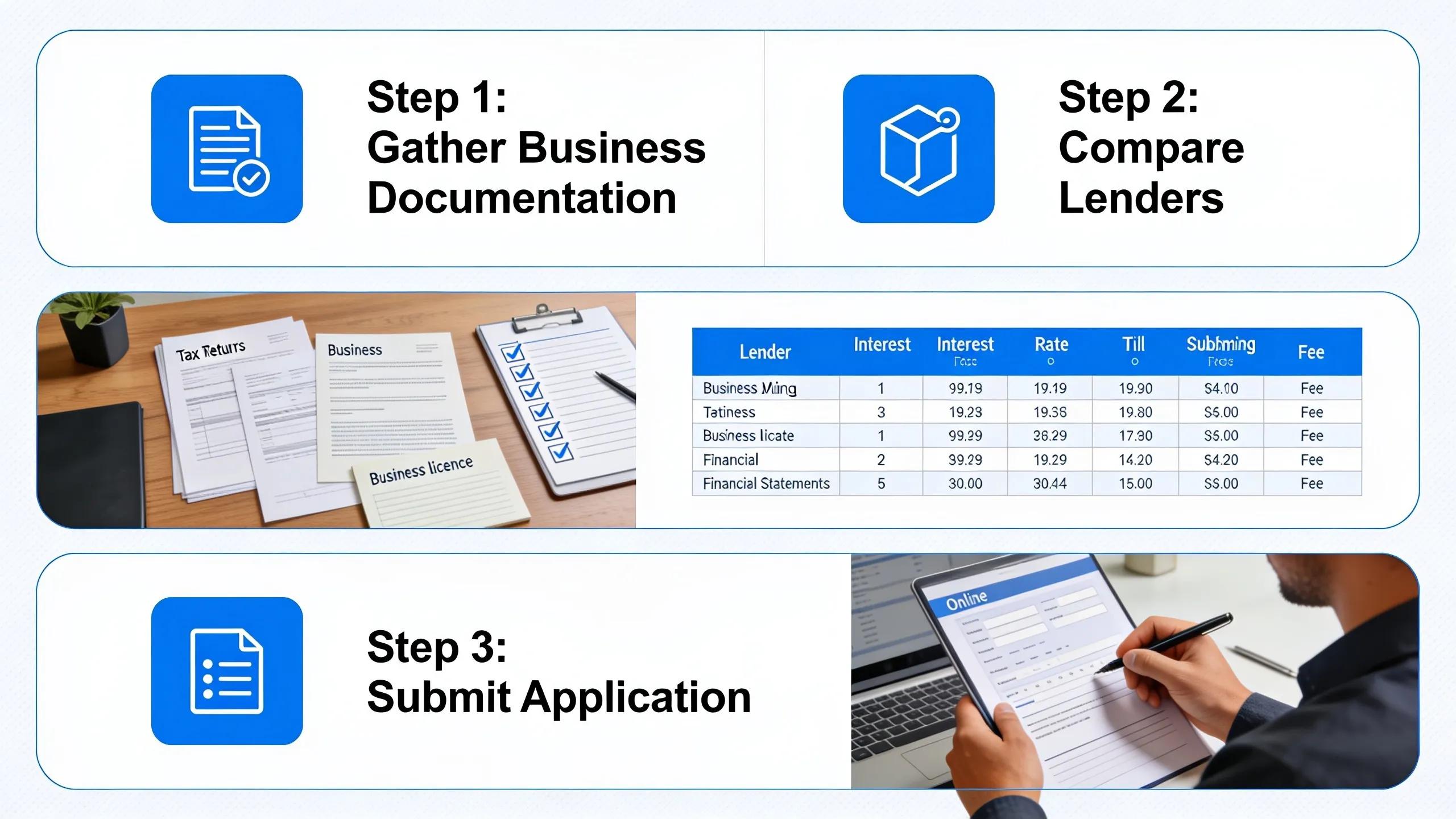
How to apply for a business credit card effectively starts with gathering business documentation, comparing lenders, and submitting an application under the company's own tax identification rather than a personal Social Security number. Skipping proper documentation costs a business the chance to separate personal and corporate liability from day one. Companies that rush through this step, without comparing issuers first, often end up stuck with unfavorable terms or a card that never reports to the right bureaus.
Learning how to apply for a business credit card begins with paperwork, not guesswork. Applicants should list their Employer Identification Number directly on the application. This detail helps facilitate proper reporting to commercial credit agencies. Leave that field blank or use a personal number instead, and card activity may never touch the business credit file at all.
A basic application sequence looks like this:
- Gather the EIN, formation documents, and revenue estimates.
- Compare issuers and lending programs for reporting practices and terms.
- Submit the application listing the business as primary applicant.
- Confirm the issuer reports to commercial bureaus before regular use begins.
Is Applying the Same as Learning How to Get a Credit Card for Business Growth?
Not exactly. How to get credit card for business approval hinges on qualification factors like revenue and time in business. Applying is the mechanical step that follows once those qualifications look solid.
What About EIN Credit Cards and Business Card Stacking?
Ein credit cards rely on the company's own tax ID for underwriting instead of a personal guarantee. Business credit card stacking layers several cards from different issuers to expand available capital, though timing matters to avoid multiple rejections. Different loan types, lenders, and investor options each carry trade-offs affecting a company's growth plan, making comparison essential before applying or stacking. Cards remain central to how to build business credit with cards, but companies without an established credit profile often hit a catch during approval — one reason local owners start that conversation at VIP Business Credit's Sterling, Virginia office.
What Are EIN-Only Credit Cards?

Ein credit cards are business credit accounts underwritten using a company's Employer Identification Number instead of the owner's Social Security Number. This structure keeps business debt separate from personal liability, protecting an owner's personal credit file from the ups and downs of company spending. VIP Business Credit's core focus centers on guiding clients toward exactly this kind of high-limit credit, tied to the business's EIN rather than a founder's personal history.
The distinction matters more than it might first appear. A personal card ties every charge, balance, and payment history back to an individual's Social Security Number. An EIN-based card builds a credit file that belongs to the business itself, one that can eventually stand on its own without a personal guarantee.
Why does the EIN matter for business credit cards?
The EIN functions as the business's identity marker with lenders, much like a Social Security Number identifies a person. Credit bureaus use it to build a business credit profile that lenders can evaluate independently of the owner's personal score. Over time, that separation can qualify a company for larger credit lines based on its own payment history.
Building toward EIN-based approval isn't a one-step process. VIP Business Credit works with clients through a small, hands-on team of three advisors who guide the strategy alongside its technology platform. That guidance connects clients to a broad network of lenders, offering access to more than 1,000 lending options across banks, alternative finance providers, and specialized programs suited to different credit stages.
Before applying, a credit scan shows a business precisely where it stands with lenders. That visibility reveals gaps and maps a clear path toward the funding a company actually qualifies for.
What Is Business Credit Card Stacking?
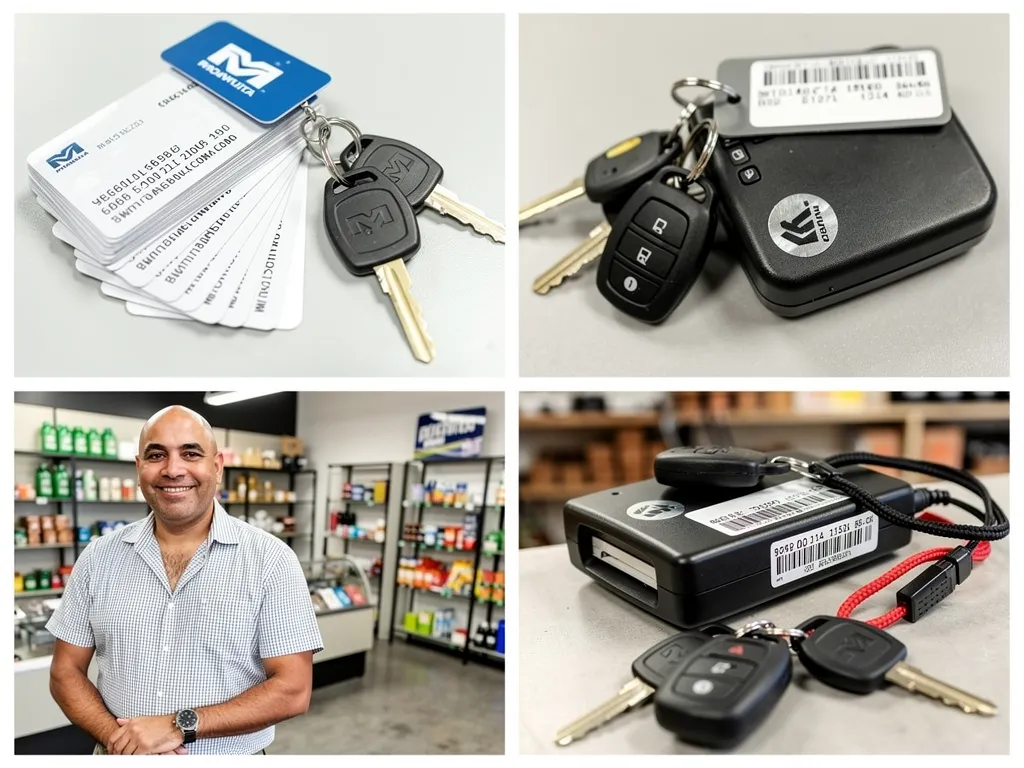
Business credit card stacking means combining several credit-building tools — cards, equipment credit lines, and fleet credit lines — into one coordinated strategy instead of relying on a single account. Businesses that stack accounts create more reporting activity across bureaus, which builds a fuller credit file faster than one card alone ever could. Skipping this approach leaves growth capped by a single credit limit and a thinner file lenders find harder to evaluate.
Stacking works because different credit tools serve different purposes while reporting to the same business credit profile. An equipment credit line, for example, lets a business acquire the equipment it needs immediately, build credit through consistent payments, and deduct those payments as a business expense. Fleet credit lines add another layer: financing multiple vehicles at once while building business credit and locking in tax deductions along the way.
Why Stack Instead of Using One Card?
A single card only tells lenders one story about payment behavior. Stacking equipment lines, fleet financing, and revolving credit accounts together shows underwriters a business that manages multiple obligations responsibly. This broader signal often matters more than the limit size on any one account.
Does Stacking Increase Risk to the Business?
Poorly planned stacking can strain cash flow if payments aren't tracked closely. That's why building credibility signals matters. Consistent business information and reliable reporting help lenders, card issuers, and vendors view a stacked file as lower risk rather than a red flag.
A sound stacking plan doesn't happen by accident. It requires a structured view of financing options — loans, SBA programs, startup capital, and credit-building tools — matched to a business's specific stage and goals. Consider the building blocks:
- Revolving business cards for everyday purchases and Paydex reporting.
- Equipment credit lines for tools that pay for themselves.
- Fleet credit lines for vehicle financing tied to deductions.
- SBA-backed programs for longer-term capital needs.
Choosing the right credit-building tool depends on where a business stands today. Here's how the three approaches compare:
How Do Secured Cards Help New Businesses?

Secured business cards give new companies a foothold with lenders before a formal credit file exists. A cash deposit backs the credit line, which lowers the risk for the issuer and opens approval to businesses that traditional lenders would otherwise decline. That trade-off makes secured cards one of the most reliable entry points for how to build business credit with cards.
New businesses rarely earn trust overnight. Building a credit profile requires time, effort, and a mix of strategies working together, not one single application. Growing a company follows the same pattern — steady progress, not a shortcut. Secured cards fit into that longer timeline by creating an early, trackable payment history that strengthens a credit file month after month.
Do secured cards report to business credit bureaus?
Reporting depends on the issuer, so confirming this detail before applying matters. A card that reports consistently turns routine purchases into documented proof of reliability, which lenders review later when a business seeks larger financing.
What should a new business look for in a secured card?
Look for transparent terms, clear deposit requirements, and no hidden fees. VIP Business Credit stresses transparent, no-surprise pricing and treats each client relationship as a long-term partnership rather than a one-time transaction, an approach worth matching when comparing card issuers.
Practical benefits of secured cards for new businesses include:
- Establishing an initial payment record tied to the company's EIN.
- Lower approval barriers compared to unsecured lines.
- A structured way to build toward better terms over time.
Rooted in Northern Virginia, VIP Business Credit works with business owners far beyond that region, connecting clients nationwide to lenders and guidance suited to their stage of growth.
What Should You Do Next?
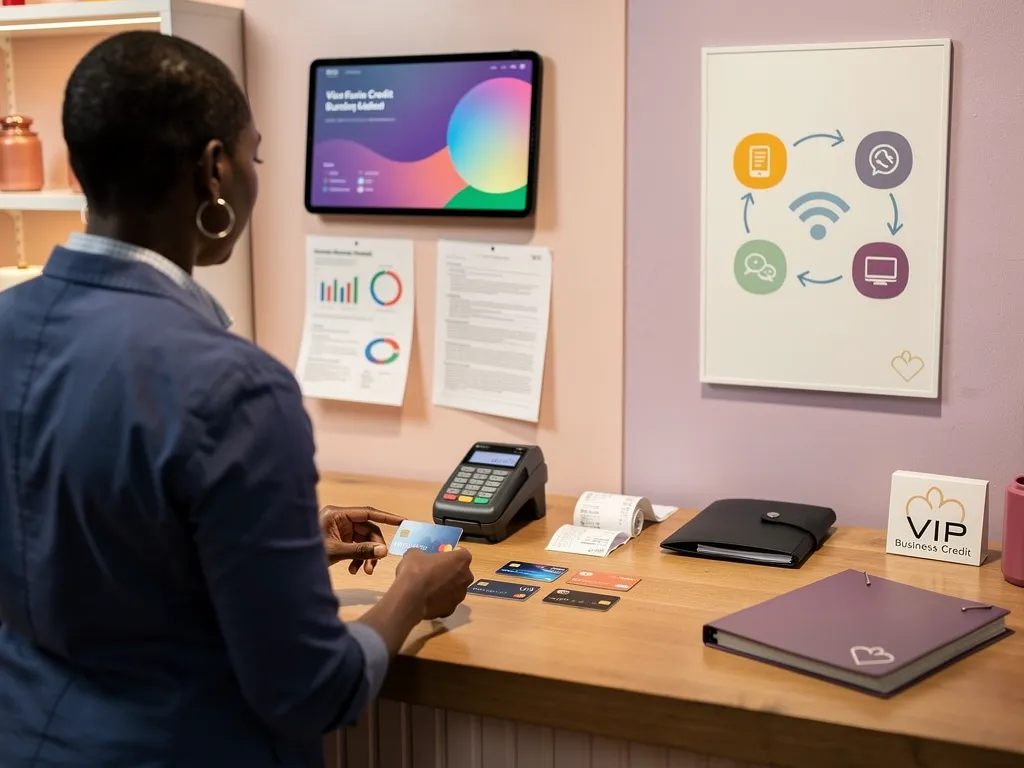
Three actions move a business forward: check current standing, apply for the right cards, and pair those cards with a broader funding strategy. Skipping any one of these steps leaves gaps that lenders notice, even when the business itself is healthy. A business owner who treats credit-building as a single event rather than an ongoing process risks stalling at the exact moment growth capital becomes necessary.
Monitoring a business credit score on a regular basis matters more than most owners realize. Ameris Bank's guide on building business credit notes that understanding how the score is calculated and tracking it consistently allows an owner to take proactive steps to improve standing over time. A score checked once a year offers little protection against reporting errors or missed payments that quietly drag numbers down.
How does a business owner know which cards or lenders fit their stage?
Matching the right product to the right business stage requires more than a quick search. VIP Business Credit connects clients to a broad network of national and local lenders, giving access to more than 1,000 lending options. That range allows financing and card recommendations to reflect a company's actual sector, revenue stage, and risk profile rather than a generic checklist.
What role does credibility play in approval odds?
Lenders and card issuers weigh more than the application itself. VIP Business Credit helps clients strengthen foundational credibility signals. Vendors, issuers, and lenders view the business as lower risk from the start.
Next steps typically include:
- Reviewing current business credit reports for accuracy.
- Selecting cards and lenders aligned with company stage.
- Enrolling in a structured credit-building program.
VIP Business Credit's offerings include business loans, lines of credit, and a comprehensive credit-building program with coaching designed to help owners maintain healthy usage over the long term.
Contact VIP Business Credit
For personalized guidance on how to build business credit with cards and related financing strategies, reach out to VIP Business Credit:
- 📞 Phone: +1 (571) 248-3863
- ✉️ Email: [email protected]
- 📅 Schedule a Business Financial Health Strategy Call: https://vipbizfunds.com/consultation
FAQ
Do all business credit cards report to commercial bureaus?
No. Reporting practices vary by issuer, and some cards report only occasionally, not at all, or only to personal credit files. Confirm reporting behavior with the issuer before applying.
Why does the EIN matter when applying for a business credit card?
Applying with the company's EIN instead of a personal Social Security number builds credit tied to the business itself, separating personal and business liability while giving lenders a clearer view of the company's overall credit strength.
How does VIP Business Credit help entrepreneurs build business credit with cards?
VIP Business Credit uses its proprietary scoring tool to reveal gaps. Match businesses to card options, connecting entrepreneurs in Northern Virginia and the Greater Washington, DC region to over 1,000 national and local lenders.
Conclusion
In closing, building business credit with credit cards represents a foundational step toward separating your personal finances from your company's liability while establishing the credibility signals lenders examine. By managing business cards strategically—maintaining low utilization, paying on time, and ensuring account activity is reported to business credit bureaus—you create a track record that opens doors to larger loans, better terms, and sustainable growth. This disciplined approach transforms credit cards from simple payment tools into active builders of your company's financial reputation.
About The Author
Lee Johnson is a Master Certified Professional Coach (MCPC) and the Founder of VIP Business Credit. With a deep specialization in helping entrepreneurs and business owners establish strong business credit profiles, secure funding, and navigate the complexities of business financing, Lee empowers clients to strengthen their financial foundations and grow with confidence.
Research & Sources
This article draws on the following supporting source:
- Ameris Bank — Step-by-Step Guide on Building Business Credit. Ameris Bank's guide explains how a strong business credit profile leads to stronger financing outcomes and better vendor relationships, and emphasizes that understanding how a business credit score is calculated — paired with regular monitoring — allows owners to take proactive steps to improve their standing over time.


