Bad Credit Business Loans in Fairfax County, VA — Practical Funding Options for Entrepreneurs with Challenged Credit
Bad Credit Business Loans in Fairfax County, VA — Practical Funding Options for Entrepreneurs with Challenged Credit
By Lee Johnson, VIP Business Credit
If you’re an entrepreneur in Fairfax County with less-than-perfect credit, finding the right capital can feel overwhelming. Knowing which financing paths exist—and what each requires—gives you the power to move forward. This guide reviews practical bad-credit business funding options, how to apply, and what lenders typically look for. You’ll also find strategies to strengthen your borrower profile and where organizations like VIP [Business Credit](https://vipbizfunds.com/business-credit) can step in with targeted coaching.
Key Takeaways
- Business owners with poor credit in Fairfax County can access many funding types: loans, lines of credit, microloans, and more.
- Secured loans use collateral and usually have lower interest; unsecured loans rely on credit history and cost more.
- [Business credit](https://www.vipbizfunds.com/business-credit) lines give flexible borrowing—interest applies only to what you draw—and usually require minimum credit and revenue thresholds.
- Merchant cash advances deliver fast cash based on future card sales and work best for businesses with steady card volume.
- Microloans and CDFI programs help startups and underserved entrepreneurs with simpler requirements and competitive terms.
- Becoming lender-ready means forming a business entity, getting an EIN, and building tradelines with vendors.
- Improve funding odds by repairing credit, proving steady cash flow, and working with advisors.
- Alternatives like peer-to-peer lending, crowdfunding, and private investors expand your options beyond traditional banks.
- VIP Business Credit offers hands-on coaching to help entrepreneurs build credit-ready profiles and access appropriate funding sources.
Funding Options for Entrepreneurs with Bad Credit
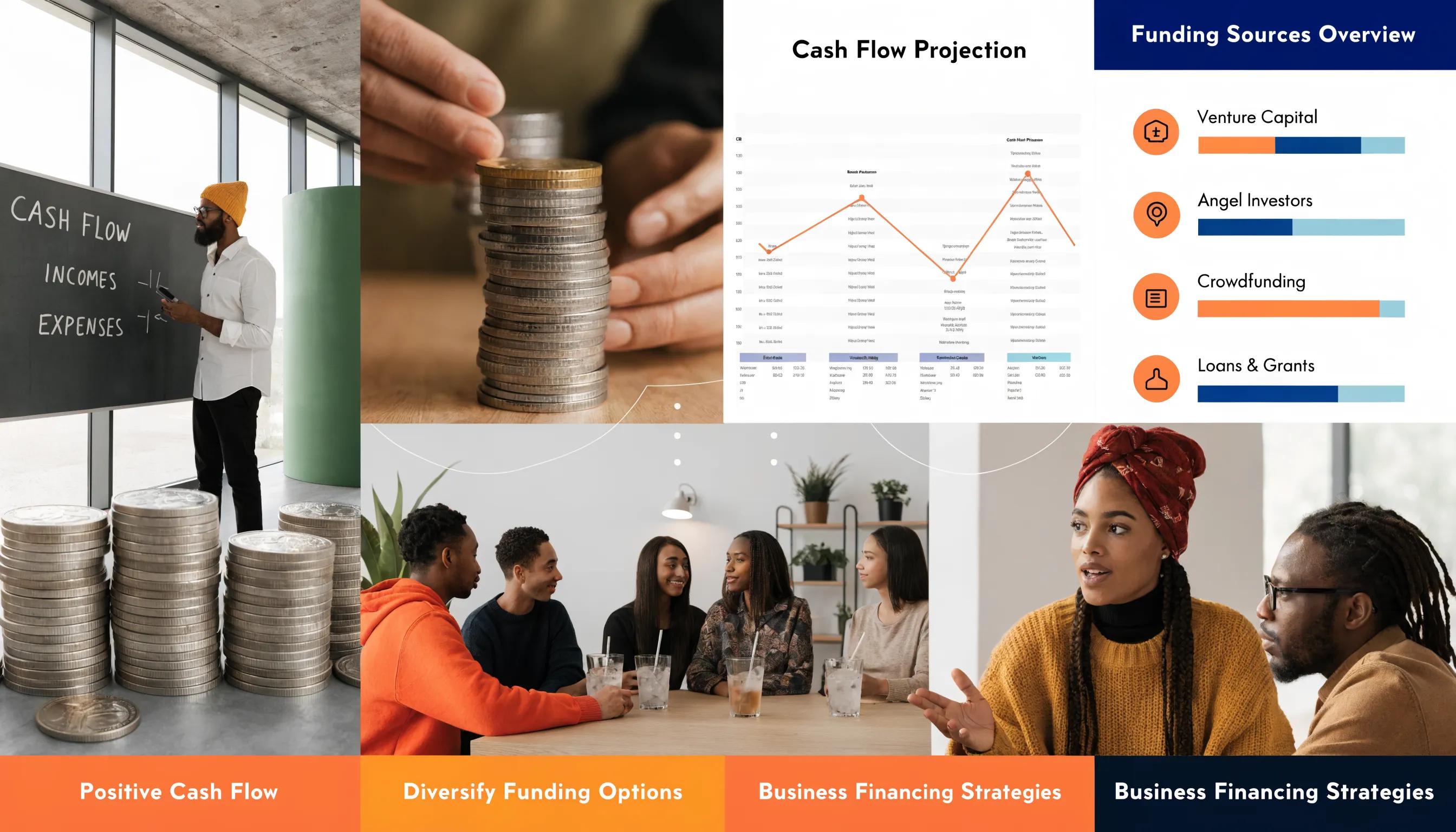
Even with a poor credit history, business owners have several realistic funding routes. Each has different eligibility rules, costs, and benefits—so matching the option to your cash needs and repayment ability is key.
Approach each option with a plan: define the amount you need, a reasonable **repayment timeline**, and the documents you’ll use to demonstrate repayment ability. A clear plan helps you compare effective cost, not just headline rates.
Business Loans:
Traditional business **loans** come in two main styles: secured and unsecured—each suited to different credit profiles and risk tolerances.
- Secured Loans: Backed by collateral (equipment, real estate), which lowers lender risk and typically produces lower interest rates (commonly around 6%–12% APR).
- Unsecured Loans: No collateral required, but lenders rely more on credit and revenue—these loans usually carry higher rates (often 10%–25% APR).
Choosing the right loan type affects your monthly cost and the level of personal or business risk you take on. When evaluating offers, look at the annual percentage rate (APR), fees, prepayment penalties, and any personal guarantee requirements.
Example uses: secured loans can fund equipment or property purchases where collateral is already part of the acquisition; unsecured loans can be suitable for short-term **working capital** needs when you cannot or prefer not to pledge assets.
Business Credit Lines:
A business line of credit gives access to funds on demand and charges interest only on what you use—ideal for uneven cash flow or seasonal needs. For entrepreneurs weighing a business line of credit bad credit applicants can still qualify for, matching the draw amount to actual short-term needs keeps borrowing costs manageable.
Typical qualification benchmarks include: fundability score
- A business credit score near 600
- About two years in operation
- Annual revenue often above $100,000
Knowing these thresholds helps you plan improvements or choose lenders with more flexible requirements. Lines are useful for smoothing payroll, covering short-term inventory purchases, or bridging timing gaps between receivables and payables.
When you compare lines, review the draw fees, maintenance fees, renewal terms, and how interest is calculated. Revolving lines are best for repeated cyclical needs, while term loans may be cheaper for one-off investments.
Merchant Cash Advances:
A merchant cash advance provides a lump sum repaid via a fixed percentage of future credit card receipts. It's fast and accessible for businesses with strong card sales but can be relatively expensive.
Since approval depends largely on sales volume rather than credit history, merchant cash advances can be a practical short-term option for newer or credit-challenged businesses.
Consider these points before accepting an advance: confirm how the repayment share affects daily cash flow, ask whether payments are taken daily or weekly, and calculate the effective APR including fees. Use advances for short-term needs where you expect immediate sales increases or where alternative funding would take too long.
Microloans:
Microloans—often issued by nonprofits—offer smaller amounts with simpler approval processes, making them a good fit for startups and entrepreneurs with limited credit histories. Microloans for startups in particular help new business owners establish a repayment track record before pursuing larger financing.
- Streamlined applications
- Often competitive interest rates
- Loan sizes that fit early-stage needs
Microloans can help you establish business credit and prepare for larger loans later. Common uses include purchasing initial inventory, funding marketing to reach early customers, or acquiring essential low-cost equipment.
Application tips: prepare a concise business plan and clear projected cash flows showing how the loan will be repaid. Even small, organized financial projections increase approval odds.
Community Development Financial Institutions (CDFI) Loans:
CDFI business loans focus on underserved communities and small businesses, offering flexible underwriting and mission-driven support. Their criteria vary, but they're often more willing to work with borrowers who can't secure traditional bank financing.
For entrepreneurs in Fairfax County, CDFIs can be an important local resource for sustainable growth capital. CDFIs also sometimes provide technical assistance—training on bookkeeping, planning, and loan packaging—which can improve your long-term financing prospects.
When contacting a CDFI, be ready to discuss how the loan will impact community benefits, job creation, or local economic activity, depending on the lender’s mission.
Application Processes and Eligibility Criteria
Securing financing means understanding what lenders require. The table below summarizes common funding types and typical thresholds to help you compare options.
This snapshot helps you weigh requirements and choose the funding path that best aligns with your situation. Keep in mind that lenders weigh documentation quality as heavily as headline thresholds: clean bank statements, accurate tax returns, and a concise explanation for past credit issues can shift decisions in your favor.
Common documents lenders request include business and personal tax returns, bank statements, a profit-and-loss statement, a balance sheet, a business plan or executive summary, and a list of outstanding debts. Having these ready shortens the review timeline and improves credibility.
Potential Lenders
You’ll find lenders across the spectrum—from community banks to online platforms. Each type serves different borrower profiles and timelines.
- Local Banks: Deep local knowledge and relationship-driven lending.
- Credit Unions: Competitive rates and sometimes more flexible underwriting.
- Online Lenders: Faster decisions and funding, often focusing on revenue rather than credit scores.
Compare terms, fees, and timelines to find the best fit for your business. A practical approach is to request a term sheet or an itemized cost breakdown from each potential lender so you can compare total cost over the loan life rather than only monthly payment or rate.
When deciding, consider service responsiveness and whether the lender offers ancillary support such as budgeting help, introductions to local business resources, or tailored repayment plans.
Strategies for Improving Financing Prospects
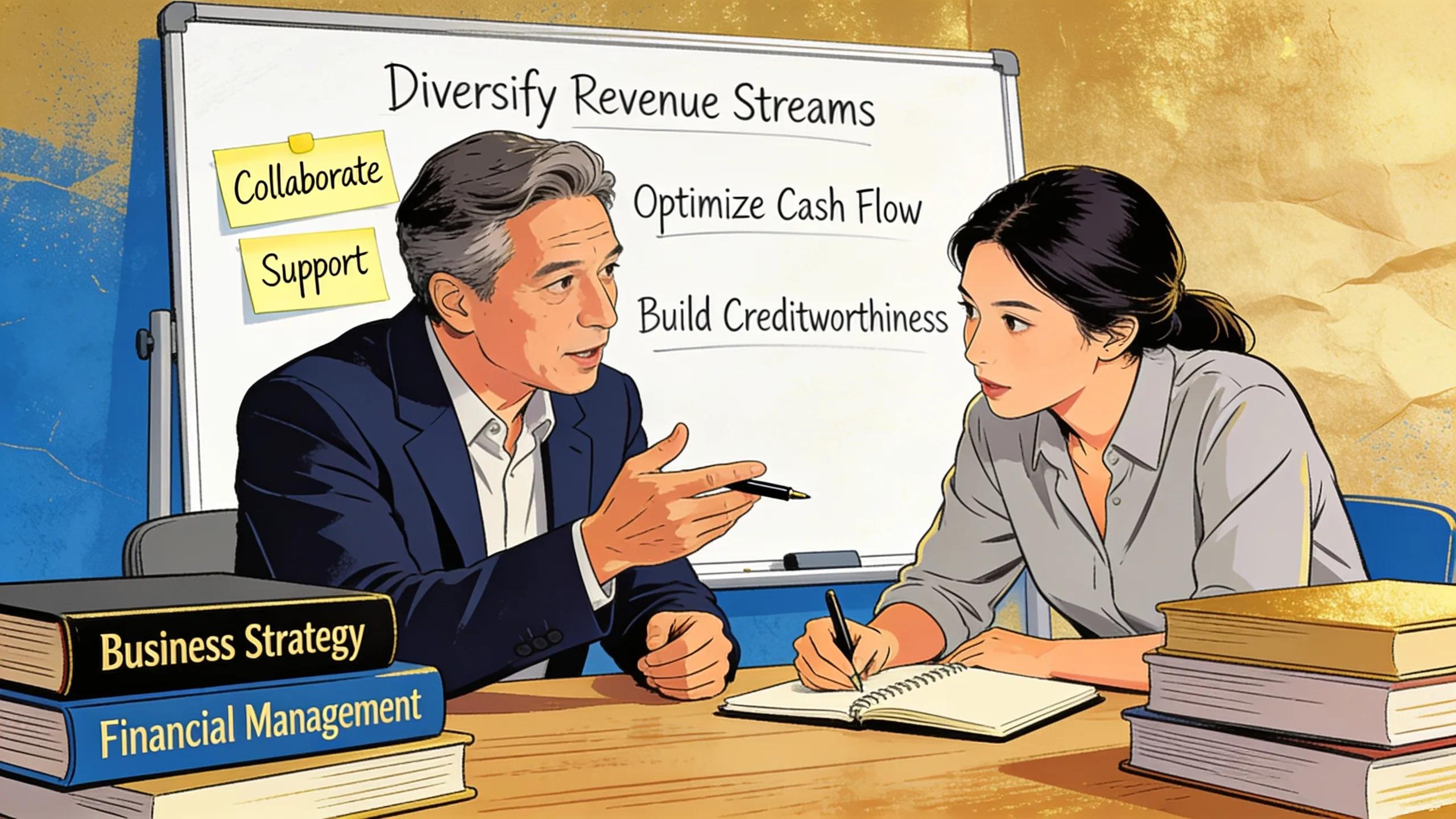
Stronger applications start long before you approach a lender. Implement these practical steps to improve your chances of approval:
- Improve Your Credit Profile: Check reports regularly and dispute errors.
- Show Consistent Cash Flow: Use up-to-date financial statements to prove repayment ability.
- Offer Collateral When Possible: Collateral increases approval odds for secured financing.
- Seek Expert Guidance: Advisors and services like VIP Business Credit can help you build a step-by-step plan.
Additional practical tactics include negotiating payment terms with suppliers to smooth cash flow, prioritizing high-impact debt reduction (small balances with high rates), and documenting any one-time events that caused past credit problems so lenders can evaluate them separately from ongoing performance.
Building a concise loan packet (a one-page executive summary, three most recent months of bank statements, year-to-date profit and loss, and a brief use-of-proceeds statement) makes it easier for underwriters to say yes.
How Can Small Businesses With Bad Credit Access Loans in Fairfax County?
Even with credit challenges, you can find funding by combining knowledge, local resources, and expert help.
- Know Your Options: Match loan type to your cash needs and repayment ability.
- Use Local Programs: Fairfax County and community organizations often offer support and referrals.
- Work with Specialists: Firms like VIP Business Credit help prepare lender-ready applications.
With the right approach, you can secure funds to grow your business despite past credit setbacks. Consider starting conversations with multiple lender types in parallel so you can compare realistic offers rather than guessing eligibility.
What Are the Eligibility Criteria for Bad Credit Business Loans?
While criteria vary, lenders typically evaluate these key areas:
- Time in Business: Many lenders prefer two or more years of operation.
- Revenue: Lenders often look for a minimum annual revenue (commonly around $100,000 for certain products).
- Credit History: Some lenders are flexible, but a minimum business credit score improves approval odds.
Understanding these expectations helps you prepare stronger applications and choose appropriate lenders. If you fall short on years or revenue, emphasize other strengths such as strong month-over-month growth, a clear customer pipeline, or collateral availability.
What Funding Alternatives Exist Beyond Traditional Lenders?
Nontraditional finance can open doors when banks say no. Consider these paths:
- Peer-to-Peer Lending: Borrow directly from individual investors.
- Crowdfunding: Raise capital from your community in exchange for rewards or equity.
- Private Investors: Angels and venture investors may fund businesses despite credit issues if the opportunity is compelling.
These options offer flexibility but come with different costs and expectations—evaluate them carefully. For example, crowdfunding requires marketing effort and a compelling offer; private investors may want equity or control; peer-to-peer loans can offer speed but at higher rates for riskier profiles.
What Steps Build a Lender-Ready Business Credit Profile in Fairfax County?
Creating a clear business identity and payment history makes lenders more comfortable extending credit. Start with these steps:
- Form a Legal Entity: An LLC or corporation separates personal and business liability.
- Register for an EIN: This creates a distinct business tax identity.
- Open a Business Bank Account: Keep personal and business cashflows separate.
- Use Vendor Tradelines: Work with suppliers that report payments to build business credit.
These foundational moves help you build credibility and access better financing over time. Track payments and maintain clear records so you can present a professional lending package when applying.
How Does EIN Registration Support Business Credit Building?
An Employer Identification Number (EIN) gives your business an independent financial identity, which lenders and credit bureaus use when evaluating requests.
Key benefits include:
- Separating Finances: Keeps personal details out of business transactions.
- Creating a Business Credit Profile: Enables lenders to evaluate your company independently.
- Smoothing Funding Access: Many lenders prefer borrowers with an EIN because it signals formality and compliance.
Getting an EIN is a quick, high-impact step in strengthening your business’s financial standing. Keep a record of your EIN documents in your lending packet so lenders can verify registration quickly.
What Role Do Vendor Tradelines and Net 30 Accounts Play?
Vendor tradelines and Net 30 accounts help you build payment history that business credit bureaus can track.
- Vendor Tradelines: Supplier accounts that report payment activity to credit agencies and help raise your business credit profile.
- Net 30 Accounts: Agreements that give you 30 days to pay, letting you manage cash flow while creating a positive payment record.
Used consistently, these tools improve your credit credibility and make future lending easier. Start with one or two reliable vendors and ensure on-time payments to build a pattern before applying for larger lines of credit.
How Can Entrepreneurs Access 0 Percent Business Credit Despite Poor Credit?
Zero-percent offers aren’t common for poor credit, but a few approaches can help you access low-cost introductory financing:
- Look for Cards Built for Lower Scores: Some business cards offer 0% introductory APRs and accept applicants with marginal credit.
- Use Secured Business Cards: A cash deposit secures the line and helps you establish positive payment history.
- Check Credit Unions: Local credit unions sometimes offer favorable introductory terms to members.
These routes require discipline and on-time payments to build toward better long-term terms. If you receive a 0% offer, confirm the duration of the introductory period and what the rate will revert to afterward.
Which Vendors Offer Net 30 Accounts for Building Credit?
Several well-known suppliers provide Net 30 terms that can help you establish tradelines:
- Quill
- Grainger
- Uline
Working with these vendors and paying on time helps demonstrate reliability to future lenders. Track invoices and calendar reminders so you never miss a Net 30 due date.
What Are the Practical Steps to Secure 0 Percent Business Credit?
To position yourself for 0% or other favorable credit offers, follow these proven practices:
- Pay On Time: Consistent, timely payments are the foundation of good credit.
- Manage Usage: Keep balances well below limits to maintain a healthy utilization ratio.
- Build Relationships: Establishing rapport with banks and credit partners increases your chances for promotional offers.
Stick to these habits and you’ll gradually qualify for better credit products. In addition, request periodic reviews with lenders as your revenue grows; small improvements in performance can unlock better promotional offers sooner than you might expect.
How Do SBA Loans Support Businesses With Bad Credit in Fairfax County?
SBA-backed loans reduce lender risk by guaranteeing part of the loan, which can open doors for businesses with imperfect credit histories.
What SBA Loan Options Are Available for Challenged Credit Entrepreneurs?
Key SBA programs that may help here include:
- 7(a) Loan Program: Versatile funding for working capital, equipment, and other needs.
- 504 Loan Program: Designed for fixed-asset purchases like real estate and major equipment.
These programs often require strong documentation and collateral but can provide lower rates and longer terms than many alternatives. The SBA application process typically takes longer than non-SBA options, so plan ahead and ensure your financial records are well organized.
What Entity Formation and Registration Processes Enhance Loan Access?
The way you form and register your business affects credibility and lending eligibility.
- Choose the Right Entity: Options like sole proprietorships, LLCs, and corporations carry different tax and liability outcomes.
- Complete Proper Registration: Proper state and federal registration signals legitimacy and helps avoid future funding obstacles.
Getting these details right early prevents problems when pursuing loans or investors. If you’re unsure which entity fits your goals, consult a tax or legal professional so you make a choice that supports funding, liability protection, and tax planning.
Why Is Forming a Business Entity Critical for Funding Success?
A formal business entity separates personal liability from business obligations, which increases lender confidence and broadens funding options. It also establishes a clearer path to building business credit and attracting investors.
Overall, a proper legal structure strengthens your credibility and supports long-term growth.
How to Complete EIN Registration Through the IRS?
Getting an EIN is straightforward and can usually be done online:
- Visit the IRS website and find the online EIN application.
- Fill out the form with your business details and the reason for requesting an EIN.
- Submit the application and receive your EIN immediately after approval.
An EIN is a quick administrative step that unlocks banking, tax, and credit-building options for your business. Before you apply, have your business legal name, owner information, and formation date handy to speed the process.
What Generational Wealth Strategies Can Protect Business Owners With Poor Credit?
Even with credit challenges, business owners can pursue strategies that build and protect wealth across generations:
- Acquire Appreciating Assets: Invest in assets that can grow in value over time.
- Teach Financial Literacy: Share knowledge and practices with family to preserve wealth-building habits.
- Pursue Low-Risk Investments: Balance growth and preservation to protect capital as you scale the business.
These steps lay a financial foundation that benefits both the business and future family members. As your business stabilizes, consider formal succession planning so the enterprise and its value transfer smoothly to the next generation.
How Does Business Credit Building Contribute to Long-Term Wealth?
Strong business credit makes it easier to get capital at better rates, which fuels growth and increases enterprise value. Consistent payments, prudent borrowing, and a diverse credit mix help you secure larger financing on favorable terms—supporting long-term wealth building.
What Are Proven Methods to Separate Personal and Business Credit?
Keeping personal and business finances distinct protects your assets and improves funding prospects. Key practices include:
- Form a Business Entity: Establish an LLC or corporation to separate liability.
- Keep Separate Accounts: Use dedicated bank and credit accounts for the business.
- Learn Credit Management: Understand terms and monitor both personal and business credit reports regularly.
These habits support clearer finances and stronger lender confidence over time. Make it a routine to review financial statements monthly and reconcile accounts to avoid surprises during loan applications.
Where Can Fairfax County Entrepreneurs Find Alternative Business Funding Solutions?
Local and digital resources broaden funding choices for entrepreneurs with credit challenges.
- Local Lenders: Community banks and credit unions often tailor products to local needs.
- Digital Platforms: Online lenders and marketplaces offer speed and flexible underwriting.
Explore both local relationships and online options to find the best blend of cost and convenience. Start with a clear list of priorities (speed, cost, flexibility) and rank potential sources against those priorities.
What Local Lenders and Digital Platforms Offer Financing for Poor Credit?
Options include community banks, credit unions, and online marketplaces that facilitate peer-to-peer lending—each suited to different stages and needs of a business.
- Community Banks: Personal service and local market knowledge.
- Online Lending Networks: Peer and alternative lenders that evaluate revenue and cash flow, not just credit scores.
Compare offers, fees, and repayment terms before choosing a partner. When possible, ask for sample amortization schedules and total repayment estimates to avoid surprises.
How Do Alternative Funding Options Compare in Terms of Cost and Accessibility?
Alternative lenders can be faster and more flexible but often charge higher rates. When evaluating options, consider:
- Interest Rates: Alternative finance may carry premiums for higher risk.
- Approval Speed: Online options typically provide quicker decisions.
- Flexibility: Nontraditional lenders may accept broader credit profiles.
Balance cost with speed and accessibility to choose the right solution for your business. For one-off short-term needs, paying a premium for speed may be acceptable; for ongoing financing needs, prioritize lower-cost solutions and relationship lenders.
How Does VIP Business Credit Provide Personalized Coaching for Challenged Credit?
VIP Business Credit offers hands-on coaching designed to get entrepreneurs lender-ready, focusing on practical steps and measurable progress.
What Coaching Services Are Included to Build Business Credit?
Typical services include:
- Custom Coaching Plans: A tailored roadmap based on your business, credit history, and growth goals.
- Concrete Action Steps: Clear, prioritized tasks to improve credit profiles and funding readiness.
- Ongoing Support: Guidance through lender conversations and document preparation.
With targeted coaching, entrepreneurs can close the gaps that keep them from qualifying for better financing. Coaches often help you package documents, practice lender conversations, and set milestone goals so progress is measurable.
Frequently Asked Questions
1. What steps can I take to improve my chances of loan approval with bad credit?
Start by pulling your credit reports and disputing any errors. Compile clear financial statements to show steady revenue, and consider offering collateral to qualify for secured loans. Working with a financial advisor or services like VIP Business Credit can help you prioritize the most effective improvements. Also, prepare a concise explanation of any past credit events so lenders see context rather than just negative marks.
2. Can I qualify for business funding if my business has less than two years of operation?
Yes. Options such as merchant cash advances, certain microloans, and some CDFI programs often accept newer businesses—especially if you can demonstrate consistent sales or a clear business plan. Be prepared to show recent bank statements and any contracts or recurring revenue that illustrate stability.
3. Are there specific lenders that provide business loans to those with poor credit?
Yes. Community lenders, credit unions, and many online lenders design products for borrowers with imperfect credit. Peer-to-peer platforms and specialty lenders can also be viable alternatives depending on your revenue and industry. The right lender often depends on which strengths you can document—steady cash flow, collateral, or a strong business plan.
4. How does having a business entity affect my chances of securing financing?
Forming an LLC or corporation separates your personal and business liabilities and makes your business appear more professional to lenders. That separation, plus proper registration and documentation, typically improves lending prospects.
5. What are the benefits of forming a legal business entity for my credit profile?
A legal entity allows your company to develop its own credit history, protecting personal assets and increasing access to business-only financing. It also signals structure and legitimacy to lenders and investors.
6. How can vendor tradelines assist in building my business credit?
Vendor tradelines work by having suppliers report your timely payments to business credit bureaus. Consistent, on-time payments on Net 30 or similar accounts build a positive payment record and improve your business credit profile over time.
7. What role does a personal guarantee play in securing bad credit business loans?
A personal guarantee means you agree to be personally responsible if the business can’t repay. Lenders often require this for higher-risk borrowers; it can open doors to funding but also puts personal assets at risk, so weigh the decision carefully.
About the Author
Lee Johnson is the Co-Founder and CEO of VIP Business Credit — a seasoned Real Estate Investor, Business Growth Strategist, and Master Certified Professional Coach with more than 500 coaching hours. With over 25 years of professional experience, Lee holds a Bachelor of Science from Fairleigh Dickinson University and a Master of Business Administration from University of Phoenix. He has built a personal real estate investment portfolio of more than 1,700 units valued at approximately $254 million across multiple U.S. markets.
Lee's mission is to help small business owners — including those in home services, trucking, and real estate — achieve financial freedom by first establishing strong business credit, then accessing the highest loan amounts at the best terms available. He and his team at VIP Business Credit serve business owners nationwide through the firm's signature 12-month Fundability coaching program.
Connect with Lee and VIP Business Credit:
- Website: vipbizfunds.com
- LinkedIn: VIP Business Credit
- Facebook: VIP Business Credit
Ready to Explore Your Funding Options?
Bad credit doesn't have to close the door on growing your business. Connect with VIP Business Credit for personalized, lender-ready guidance built around your situation — proudly serving Sterling, VA and the surrounding Fairfax County area.
- 📞 Call: (571) 248-3863
- ✉️ Email: [email protected]
- 📅 Book a Consultation: Schedule your call today
- 🌐 Website: vipbizfunds.com
- 🎯 FREE Business Success Scan: Get your scan
Conclusion
Entrepreneurs in Fairfax County who face credit challenges still have meaningful paths to funding—from secured loans and microloans to CDFI programs and alternative finance. By taking practical steps to strengthen your business profile and working with local resources or coaching services like VIP Business Credit, you can increase your access to capital and position your business for steady growth. Start with small, consistent improvements and explore the options that best match your cash needs and long-term goals.


