Equipment Financing for Small Business Growth
Equipment Financing for Small Business Growth
Equipment financing for small business offers a crucial financial tool whereby businesses obtain loans or leases secured by the equipment itself, whether that’s a semi truck, commercial oven, or office computers. Instead of paying cash upfront, owners spread payments across the equipment’s useful life. VIP Business Credit connects clients to lenders offering these structured options, preserving working capital for other operational needs.
Key Takeaways
- Small business equipment loans are secured by the equipment purchased, allowing businesses to preserve cash flow.
- Eligible equipment includes computers, office furniture, vehicles, and machinery for various industries.
- VIP Business Credit connects entrepreneurs to over 1,000 national and local lenders for financing.
- Equipment payments align with asset useful life, matching costs to equipment value depreciation.
What Is Equipment Financing And Why Use It?
Equipment financing for small business gives a business owner a way to acquire a specific piece of equipment through a loan instead of paying the full purchase price in cash. A dental practice needing a new imaging system, a landscaping company needing a truck, or a restaurant needing a commercial oven can all obtain the asset first and pay for it over time. The equipment itself typically secures the loan, which is why lenders often call this category small business equipment loans.
Cash preservation is the real advantage here. Rather than draining a bank account to cover one large purchase, a business spreads payments out and matches them to how long the equipment stays useful. A five-year loan on machinery with a five-year lifespan keeps the expense aligned with the value the equipment actually delivers.
Why does equipment financing make sense instead of paying cash?
Paying cash ties up capital that could otherwise cover payroll, inventory, or an unexpected slow month. Machinery financing and equipment loans keep that capital available for daily operations while still getting the needed asset into service immediately.
Equipment credit lines extend this advantage further. A business can draw on the credit line to get equipment right away, build a credit history through consistent use of the account, and deduct the payments as a business expense.
VIP Business Credit works with entrepreneurs across Northern Virginia. The Greater Washington, DC region to structure this kind of financing under the company’s EIN rather than the owner’s personal Social Security number. That separation matters:
- Personal credit stays protected from business borrowing activity
- The business builds its own credit file with lenders
- Future financing decisions rest on the company’s track record, not the owner’s
That distinction shapes everything else worth knowing about qualifying for equipment loans.
How Does An Equipment Loan Actually Work?
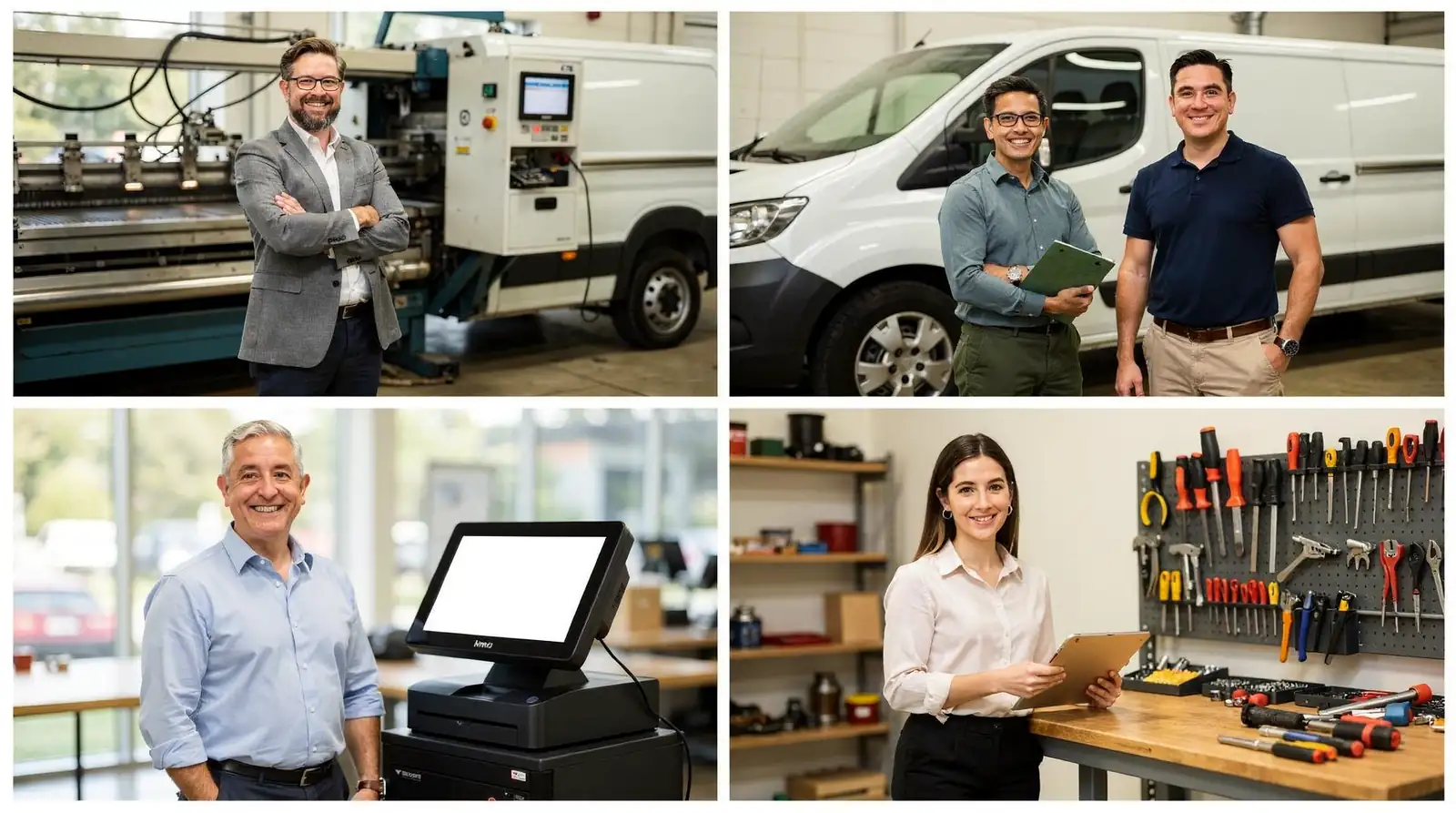
An equipment loan works by tying the borrowed funds directly to a specific purchase: the machinery, vehicle, or technology being bought secures the debt itself. This structure sets equipment loans apart from general working capital financing. Collateral often has to come from elsewhere in the business. Because the asset backs the loan, lenders carry less risk, which often translates into more workable terms for the borrower.
Equipment financing for small business follows a straightforward path. A business identifies the asset it needs, applies for a loan or lease structured around that purchase, and uses the funds to acquire the equipment without draining cash reserves. Payments then stretch across a set schedule, letting the business keep working capital free for payroll, inventory, or unexpected costs.
What Steps Are Involved In Getting Approved?
Approval hinges on matching the business with the right lender for its situation, not just filling out a form. VIP Business Credit connects applicants to a network of more than 1,000 national. Local lenders, giving each business access to structures suited to its industry and stage of growth. That range matters, since one lender’s terms for machinery financing can look very different from another’s.
Before applying, a business owner benefits from knowing where the company actually stands with lenders. A scan process reviews the business’s credit position, flags gaps that could slow down approval, and lays out a roadmap for strengthening the business’s credit profile ahead of submission.
What Makes Equipment Loans Different From Other Business Loans?
Equipment loans stay narrowly focused: the funds cover a defined purchase, and that same purchase serves as collateral. Other business loans may allow broader use of funds but often require separate collateral or a personal guarantee, which raises the stakes for the owner personally.
What Types Of Equipment Can You Finance?
Almost any physical asset a business relies on qualifies for financing, from a laptop to a delivery truck. Computers, office furniture, vehicles, and large machinery all fall within standard eligibility for small business equipment loans. A bakery replacing a commercial oven and a logistics company adding a semi truck draw from the same lending category, just different equipment types.
The reach of equipment financing for small business extends further than most owners expect. Financing can cover almost any business asset a company needs, with one notable exception: real estate. That leaves room for production equipment, technology upgrades, specialized tools, and transportation assets, all financed without draining cash reserves set aside for payroll or inventory.
Can Equipment Financing Cover An Entire Fleet Of Vehicles?
Yes. Fleet credit lines let a business finance multiple vehicles at once rather than negotiating separate deals for each truck or van. This approach builds business credit with every payment while locking in tax deductions tied to the equipment. Companies expanding delivery routes or field service teams often find fleet-specific financing more efficient than piecing together individual vehicle loans.
Does Machinery Financing Work Differently Than Standard Equipment Loans?
Machinery financing follows the same core structure as other equipment loans: the asset itself secures the debt, and payments align with the equipment’s useful life. Fleet specialists structure these deals specifically for trucks, vans, and cars, tailoring terms to how the vehicles will be used in daily operations.
Common categories eligible for financing include:
- Computers and office technology
- Office furniture and fixtures
- Company vehicles and fleet assets
- Large machinery and production equipment
Understanding this breadth matters before applying. A narrow view of "equipment" causes some owners to pay cash for assets that qualify for financing, tying up capital that could fund payroll, marketing, or inventory instead.

Should You Choose An Equipment Loan Or Lease?
The right choice depends on whether a company wants ownership or flexibility. Equipment financing for small business covers both paths: a loan or lease obtained from a financial institution to access tools and machinery without paying full cash upfront. Neither option is universally better; the decision hinges on cash flow priorities, how long the asset stays useful, and whether ownership matters at the end of the term. Consider equipment leasing options as a flexible alternative to ownership.
Business owners weighing small business equipment loans against leases often benefit from comparing the two side by side.
Does an Equipment Loan Build Business Credit?
Structured equipment credit lines let a company acquire needed machinery immediately while building credit through consistent use. Payments qualify as deductible business expenses regardless of the financing structure chosen. This dual benefit makes equipment credit lines a practical tool for owners who want working capital preserved and a stronger credit file at the same time.
Which Assets Qualify for Machinery Financing?
Machinery financing typically applies to production equipment, vehicles, and technology essential to daily operations. Real estate generally falls outside this category, since equipment financing focuses on movable business assets rather than property.
Sterling, Virginia based VIP Business Credit approaches these decisions individually rather than recommending a single product for every client. A retail startup replacing a delivery van has different needs than a manufacturer financing production-line equipment. Matching the structure, loan or lease, to the business’s stage and asset type keeps monthly payments manageable while protecting long-term credit standing.
What Do Lenders Look For In Applicants?
Lenders evaluate equipment loan applicants much like they evaluate any borrower, checking revenue, time in business, and credit history. One key difference sets this financing apart: because the purchased equipment secures the loan, some lenders extend more flexibility than they would for an unsecured line of credit.
That flexibility does not mean approval is guaranteed. A business with thin credit files or inconsistent revenue still faces real scrutiny. Gaps in a company’s profile can mean higher rates, smaller loan amounts, or an outright denial. Understanding where those gaps exist before applying saves owners from wasted time and rejected applications.
How Does A Business Know If It Qualifies?
A credit scan can answer this question quickly by identifying gaps in a company’s file before a lender ever sees the application. VIP Business Credit’s scan reveals exactly where a business stands. Outlines a clear roadmap for closing those gaps ahead of an equipment loan request. Owners walk away knowing which weaknesses to fix first.
What Tools Help Owners Prepare?
Preparation starts with visibility into how underwriters actually view the business. VIP Business Credit’s proprietary scoring tool shows owners that same underwriter perspective, pinpointing eligibility gaps before they turn into declined applications.
Once a business understands its standing, matching with the right lender becomes the next hurdle. Not every lender structures equipment financing for small business the same way, and program terms vary by industry, asset type, and risk profile. VIP Business Credit connects applicants to a network of more than 1,000 national. Local lenders, giving businesses a far broader shot at finding a machinery financing program suited to their actual qualifications rather than settling for the first offer available.
Strong applicants typically show:
- Consistent revenue trends over recent months
- Established time in business
- A credit profile free of major red flags
- Equipment with clear resale or collateral value
How Does Machinery Financing Differ By Industry?
Asset type and business model shape the structure of machinery financing far more than the loan paperwork does. Agriculture, healthcare, and transportation companies all lean on equipment financing for small business to invest in essential tools. Each sector borrows against different collateral and different cash flow patterns. A farm operation financing a combine harvester faces a different repayment rhythm than a medical practice financing diagnostic imaging equipment or a logistics company financing a delivery van.
That range is the point. Equipment loans cover assets as different as fleets of forklifts, service vehicles, large work boats, and even corporate aircraft. A single financing structure rarely fits every industry, which is why lenders build terms around the useful life and resale value of the specific asset being purchased.
Is Machinery Financing Different For Transportation Businesses?
Transportation-heavy industries often need financing for several vehicles at once rather than a single piece of equipment. Fleet credit lines address this directly, letting a business finance multiple trucks, vans, or cars under one structured deal. Growing companies use this approach to build business credit while locking in tax deductions tied to the vehicles’ ownership and use.
Does Every Industry Qualify For The Same Financing Terms?
Not exactly. Machinery financing terms shift based on how specialized the equipment is and how quickly it depreciates. Consider how financing needs vary by sector:
- Agriculture: Seasonal cash flow shapes repayment schedules for tractors and harvesters.
- Healthcare: High-value diagnostic and treatment equipment often requires longer terms.
- Transportation: Fleet specialists structure deals specifically for trucks, vans, and cars, matching payments to route revenue and vehicle turnover cycles.
Working with lenders familiar with a given industry’s equipment cycle helps business owners avoid mismatched terms that strain monthly cash flow.
What Are The Tax And Cash Flow Benefits?
Two advantages stand out: predictable tax deductions and steadier cash flow. Structuring equipment credit lines correctly lets a business deduct its payments as ordinary business expenses, rather than absorbing one large purchase cost in a single tax period. That distinction matters for owners trying to keep taxable income, and tax bills, more manageable throughout the year.
Spreading a large purchase into scheduled payments changes how a company plans its budget. Instead of a lump-sum hit to the bank account, a business making regular payments can forecast expenses months in advance. Machinery financing works the same way for production equipment, vehicles, and heavy tools that would otherwise require a large cash outlay.
Does equipment financing help with cash flow?
Yes. Cash flow strategies built around financed purchases are designed to make sure working capital is available when a business needs it, not after a shortfall already hits. This approach helps a company keep growing without running short on funds while equipment payments come due. A business that finances a delivery van, for example, keeps its operating cash free for payroll, inventory, or marketing instead of tying it up in one transaction.
What happens when equipment breaks down without a financing plan in place?
Unplanned breakdowns force owners into reactive spending, pulling cash from wherever it can be found. Replacing or upgrading equipment through financing keeps operations running smoothly, so owners stay focused on growth instead of firefighting emergencies. Consider the difference:
Structured properly, equipment loans protect both the tax return and the checking account, giving owners room to plan rather than scramble.
How Can VIP Business Credit Help You Qualify?
Qualification starts with a clear picture of where a business stands today. VIP Business Credit builds that picture through a credit scan that reveals gaps in a company’s credit profile. Lays out a roadmap for funding growth. Instead of guessing which lender might say yes, owners get a straightforward view of what needs strengthening before they apply.
From there, access matters as much as insight. VIP Business Credit connects applicants to a network of more than 1,000 national and local lenders, covering banks, alternative finance providers, and specialized programs built for equipment financing for small business. That range widens the odds of matching a business, whether it needs a delivery van, production line upgrade, or new office technology, to a lender suited to its industry and risk profile.
Guidance behind the scan comes from a small, dedicated team. VIP Business Credit operates with three employees, a structure that keeps service concierge-level rather than call-center generic. Each client works with people who know the file, not a rotating queue of strangers.
The firm’s office sits at 21000 Southbank St Ste 106-380 in Sterling, Virginia, and it serves clients both locally and across the country. Location doesn’t limit reach: applications, scans, and lender matching happen digitally for business owners anywhere in the United States.
What Documents Help a Business Qualify for Equipment Loans?
Lenders reviewing small business equipment loans typically look for financial statements, time in business, and details on the machinery or asset being financed. Since the equipment itself often secures the loan, a clear description of its value and use strengthens the application. Owners who organize these details before applying tend to move through underwriting faster.
Can a Business Get Approved Without Perfect Credit?
Approval isn’t limited to businesses with flawless credit histories. Because machinery financing is frequently secured by the asset purchased, some lenders show more flexibility than they would for unsecured products. Businesses unable to cover equipment purchases or repairs outright may still qualify once approved through the right lender match.
FAQ
What equipment qualifies for equipment financing?
Eligible equipment includes computers, office furniture, vehicles, and machinery across various industries, from commercial ovens to imaging systems to trucks.
How does equipment financing preserve cash flow?
Payments spread across the equipment’s useful life instead of one upfront cash payment, keeping capital available for payroll, inventory, and daily operations.
How does VIP Business Credit help businesses secure equipment financing?
VIP Business Credit connects entrepreneurs in Northern Virginia. The Greater Washington, DC region to over 1,000 national and local lenders, structuring financing under the business’s EIN.
Conclusion
In closing, equipment financing represents a strategic pathway for businesses to acquire essential assets while preserving cash flow and protecting personal credit. By understanding how lenders evaluate your business’s creditworthiness, structuring your application thoughtfully, and maintaining strong financial records, you position your company to access favorable terms and build lasting relationships with capital providers. The foundation you establish today through disciplined equipment financing directly strengthens your business’s overall credit profile. Opens doors to additional growth opportunities tomorrow.
About The Author
Lee Johnson is a seasoned Real Estate Investor, Business Growth Strategist, and Master Certified Professional Coach dedicated to helping entrepreneurs achieve financial freedom, scale sustainable businesses, and build lender-ready corporate credit profiles without personal liability. He brings extensive expertise in business finance, corporate credit coaching, underwriting criteria, and strategic funding facilitation.
Contact Us
- 📞 Phone: (571) 248-3863
- ✉️ Email: [email protected]
- 📅 Consultation: Schedule A Business Financial Health Strategy Call
- 🌐 Website: https://vipbizfunds.com
- 🎯 FREE Business Success Scan: FREE Business Success Scan
- Serving Sterling, VA and surrounding areas (Service Area Business - do not display street address).


