Small Business Loans in Loudoun County, VA — A Practical Guide to Loudoun Business Credit and Financing
Small Business Loans in Loudoun County, VA — A Practical Guide to Loudoun Business Credit and Financing
By Lee Johnson, VIP Business Credit
In Loudoun County’s vibrant economy, access to reliable capital through small [business loans Loudoun County](https://vipbizfunds.com/business-loans-loudoun-county) VA is essential for local entrepreneurs to thrive. This comprehensive guide details the available Loudoun business credit and financing options—from SBA loans and lines of credit to specialized equipment financing. Learn what lenders prioritize, effective strategies to build and use your business credit profile locally, and actionable steps to secure funding that matches your business goals. Whether starting a new venture or growing an established company, understanding these options and preparing properly can dramatically improve your approval chances and terms.
Key Takeaways
Small business loans Loudoun County VA provide vital capital for startups and growing businesses alike.
Financing options include SBA loans, credit lines, microloans, merchant cash advances, equipment loans, and grants tailored to Loudoun businesses.
Building strong Loudoun business credit, separating personal and business finances, and forming a legal entity improve lender confidence and access.
Loan approval factors: credit history, a detailed business plan, accurate financials, collateral, and demonstrated capacity to repay.
Leveraging local resources such as economic development agencies, credit bureaus, and mentorship programs strengthens your funding readiness.
Alternatives complement traditional loans, including peer-to-peer lending, crowdfunding, and community development financial institutions (CDFIs).
VIP Business Credit coaching offers personalized guidance to build business credit and secure optimal local funding.
Comprehensive Loudoun County Small Business Loan and Credit Guide

Entrepreneurs in Loudoun County have access to diverse financing solutions suited for different stages of business development. Choosing the right [small business loan](https://vipbizfunds.com/post/get-funded-explore-sba-loans-for-small-businesses)s Loudoun County VA involves evaluating loan terms, cost of capital, repayment schedules, and how each product aligns with your growth strategy. Planning your capital needs with a clear use-of-funds statement and realistic repayment projections helps lenders see the viability of your funding request.
Familiarize yourself with local loan options and start improving your Loudoun business credit profile early—this preparation is key to obtaining favorable financing.
Popular Loudoun Business Loan Types and Financing Options

Understanding the characteristics of each loan type is essential for Loudoun entrepreneurs. The following outline clarifies common loan products and their typical uses. Consider creating your own comparison chart with term lengths, interest rates, collateral demands, and estimated monthly payments to aid decision-making.
Traditional Small Business Loans
Traditional small business loans provide lump-sum financing for operational expenses such as inventory, equipment, or payroll. Lenders require a strong business plan, credible financial projections, and a strong credit record. When prepared, these loans help maintain cash flow stability or fund strategic expansion.
Best practices include submitting a focused executive summary, providing 3-5 years of cash-flow forecasts when feasible, and preparing to discuss business seasonality, customer base diversification, and contingency plans. Demonstrating consistent revenue or a confirmed contract pipeline often earns preferable loan terms.
Business Lines of Credit
A small business line of credit offers flexible, revolving funds up to an approved limit with interest charged only on drawn amounts. This is advantageous for managing working capital fluctuations, bridging short-term gaps, or covering unforeseen costs without committing to a fixed-term loan.
Maintain a modest, unused credit line portion to avoid frequent reapplications, and ideally use lines of credit for working capital rather than long-term fixed assets. Lenders' periodic reviews make consistent repayments and conservative credit use crucial for ongoing access.
SBA-Backed Loans
SBA loans available to Loudoun businesses provide favorable long-term financing through government guarantees that lower lender risk. Application requires comprehensive business planning, proof of steady cash flow, and often collateral.
These loans feature competitive rates and extended repayment terms but involve rigorous documentation and a longer approval cycle. Collaboration with SBA resource partners or your lender’s SBA specialists is critical to preparing a strong application package and managing underwriting requests.
Equipment Financing
Equipment financing specifically targets the purchase of machinery, technology, or commercial vehicles crucial to business operations. This loan type secures funding based on the asset being purchased, typically with fixed repayment terms aligned to the equipment's useful life.
For Loudoun business owners, equipment loans can conserve working capital by spreading costs over time. Provide detailed quotes and maintenance plans to lenders to support your application.
Microloans
Microloans are a popular route for startup business loans in Loudoun County, serving very small businesses that do not qualify for traditional loans. These smaller, short-term loans assist with early investments such as equipment purchases or initial inventory.
Nonprofit lenders often accompany microloans with mentoring or technical assistance, which entrepreneurs can use to enhance their repayment capacity and business operations.
Merchant Cash Advances
A merchant cash advance offers quick funds repaid via a percentage of daily credit card sales. While fast, they tend to carry high costs and can stress cash flow during slower sales months.
Evaluate multiple cash flow scenarios before pursuing this option to assess repayment impact, especially if operating on tight profit margins.
Local and State Grants
Non-repayable grants are highly competitive and typically targeted by industry, demographic, or project focus. Successful applications require detailed project plans, measurable outcomes, and adherence to specific eligibility criteria.
Consult local economic development personnel and grant workshops to prepare and strengthen proposals. While excellent for special projects, grants generally do not serve as dependable sources for general working capital.
Understanding Eligibility for Small Business Loans Loudoun County VA

Applicants should prepare for common lender criteria that balance objective financial metrics and subjective assessments of management and market risk.
Credit Score and Loudoun Business Credit Profile: Both personal and business credit histories are scrutinized. A strong, locally-built business credit profile boosts lending confidence. If scores need improvement, document corrective actions and demonstrate positive credit behavior.
Business Plan: Provide a clear, realistic plan highlighting your business’s viability, market positioning, and how loan proceeds will sustain or accelerate growth. Include an executive summary, thorough market overview, and conservative financial forecasts.
Financial Documentation: Prepare recent revenue reports, tax returns, and cash flow projections. Supplement with reconciled bank statements, aged receivables, and a current balance sheet to build transparency.
Collateral: Identify acceptable assets for security, such as property or equipment. Lenders may require appraisals or official filings to verify value.
Additional considerations include management experience, industry risk factors, and any regulatory or legal matters. Multi-owner businesses should prepare personal background statements and demonstrate relevant leadership expertise.
Step-by-Step Loan Application Process in Loudoun County

While the process may differ by lender and loan product, typical stages include:
Gather Required Documentation: Assemble financial statements, tax returns, vendor contracts, leases, and key customer orders supporting revenue claims.
Complete Application Forms: Accurately and thoroughly fill out loan forms, avoiding inconsistencies that could delay processing.
Submit to Multiple Lenders: Apply through several institutions to increase approval chances; keep records tracking submissions and responses.
Attend Lending Interviews: Prepare to discuss your business plan, financial forecasts, and fund usage. Practice clear and concise responses, especially addressing risk and contingency strategies.
Microloans and online lenders often offer faster decisions, whereas bank and SBA loans require extended underwriting periods. Remain responsive throughout underwriting by promptly sharing requested information via organized folders or portals.
Vital Resources to Enhance Loudoun Business Credit and Loan Preparations

Access to local expertise and support networks significantly improves funding efforts in Loudoun County.
Local Economic Development Office: Provides guidance on loan programs, grants, permits, and incentive opportunities tailored to Loudoun businesses.
Community Partnership and Mentoring Programs: Connect you with peer networks, funding advice, and grant support services.
Business Credit Bureaus: Monitor and help build your Loudoun business credit by reporting timely payments and correcting inaccuracies.
Additional support comes from SCORE mentors, Small Business Development Centers (SBDCs), and local Chambers of Commerce offering workshops, templates, and introductions to lenders.
Choosing the Best Small Business Loans Loudoun County VA Options
Selection depends on your business maturity and financing needs. SBA loans provide attractive terms for eligible businesses; local credit unions may offer competitive pricing; private lenders often deliver speed and flexible underwriting. For startups, microloan programs and community lenders with advisory support are valuable.
Enhancing Loudoun Business Credit for Better Loan Terms
Business credit building in Virginia starts with a strong credit profile in Loudoun, which includes:
Establishing accounts with vendors who report to credit bureaus.
Making timely payments with low balances.
Separating personal and business finances with dedicated accounts.
Registering with business credit services and periodically reviewing reports.
Adding vendor tradelines with net-30 payment terms to broaden credit footprint.
Consistent, positive reporting improves lender perceptions and unlocks preferred financing.
How to Establish Vendor Tradelines and Net-30 Accounts in Loudoun
Identify local or national vendors who report payments to business credit agencies. Negotiate standard payment terms such as net-30, confirm vendor reporting policies in writing, and maintain timely payments to build tradelines that demonstrate creditworthiness.
Automation of payments and diligent tracking help maintain good standing—multiple positive tradelines reported over several months substantially bolster your Loudoun business credit profile.
Importance of Separating Personal and Business Finances
Protect personal credit and present your company as a standalone entity by:
Opening separate business banking and credit accounts.
Tracking business expenses distinctly and maintaining accurate records.
Maintaining proper corporate governance documents and tax filings.
This financial separation signals professionalism and reduces lender risk assessments related to personal liabilities.
Forming a Legal Business Entity and Registering an EIN in Loudoun County
Formalize your business by:
Selecting an appropriate structure such as LLC or corporation based on liability and tax considerations.
Filing formation documents with the Virginia State Corporation Commission.
Obtaining an EIN from the IRS for tax and banking operations.
Additionally, secure any local business licenses, register trade names or DBAs if applicable, and verify zoning and permit compliance.
Creating a Lender-Ready Business Entity
Ensure readiness through:
Developing a detailed business plan with sound financial projections and clear fund use.
Maintaining up-to-date, transparent financial records.
Engaging qualified legal and financial advisors to validate compliance and strengthen applications.
Include standard operating procedures, key contracts, and recurring revenue streams documentation to demonstrate stability and reduce perceived risk.
Impact of EIN Registration on Loan Eligibility and Business Credit
An EIN establishes separate tax and banking identity, facilitating precise credit tracking and reducing personal liability perceptions by lenders. It also streamlines payroll and vendor relations, enhancing the professional profile of your Loudoun business credit.
Using 0 Percent Business Credit Lines to Grow Loudoun Startups
Promotional 0 percent introductory credit lines offer interest-free borrowing during an initial period, allowing startups to invest strategically in revenue-generating activities. Disciplined use requires tracking promotional periods, scheduling repayments to avoid interest, and avoiding usage for non-productive expenses.
Lenders Offering 0 Percent Introductory Credit Lines in Virginia
Major banks, select credit unions, and business card issuers occasionally provide these offers. Carefully review terms, fees, and treatment of balance transfers or cash advances.
Strategic Use of 0 Percent Credit for Loudoun Business Growth
Deploy these credit lines on marketing, inventory, or short-term assets likely to generate returns before promotional rates expire. Set reminders and automate payments to avoid forfeiting promotional benefits through missed payments.
VIP Business Credit Coaching: Empowering Loudoun Entrepreneurs

VIP Business Credit offers tailored coaching to guide Loudoun County entrepreneurs in building strong business credit profiles and selecting optimal funding sources. Their expertise accelerates credit-building, prepares clients for lender interviews, and enhances funding success.
Coaching includes credit profile assessments, actionable improvement plans, personalized lender introductions, and practice interview sessions for confident, effective communication.
Core Coaching Elements for Small Business Loans Loudoun County VA
Credit Profile Assessment: Identify existing strengths and address weaknesses in personal and business credit.
Action Plan Development: Establish measurable steps toward building business credit and improving fundability.
Lender Networking: Connect clients with relevant local lenders and financing programs.
Ongoing accountability and milestone tracking enhance client progress; coaching supplements solid financial management practices.
Leveraging VIP's Local Expertise in Loudoun County Financing
Their dedicated knowledge of Loudoun’s market, lending landscape, and incentive programs enables precise recommendations. Familiarity with local underwriting trends and lender expectations helps clients submit competitive applications and access appropriate resources quickly.
Building Generational Wealth Through Loudoun Business Credit and Financing

Creating generational wealth involves sustainable practices: prudent reinvestment, diversification, and succession planning. Careful financing decisions—selecting terms conducive to cash flow preservation and long-term asset growth—support wealth transfer across generations.
Document ownership succession, retirement strategies, and estate planning aligned with business financing for enduring impact.
Role of Strong Business Credit in Long-Term Wealth
Healthy business credit reduces capital costs and provides access to financing for expansion, acquisitions, and asset upgrades. This capability enhances business viability and value for heirs or partners.
Integrating Wealth Strategies with Loudoun Business Loan Plans
Set clear capital and wealth-building goals.
Match funding sources to growth and diversification objectives.
Engage financial advisors skilled in small business wealth planning.
Prioritize investments that increase profitability and build transferable assets, ensuring loan terms align with asset lifespans and cash flow projections.
Essential Documents for Applying for Small Business Loans Loudoun County VA

Organize the following for your application:
Personal financial statements reflecting the owner's financial health.
Business tax returns evidencing operational performance.
Cash flow projections demonstrating repayment capability.
Additional helpful materials include executive summaries, current balance sheets, profit and loss statements from 12–36 months, bank statements, lease agreements, key customer contracts, and outstanding debt lists. Use labeled folders and summary cover pages to facilitate quick lender review.
Gathering Financial and Legal Documents for SBA Loans in Loudoun County
Update income statements, balance sheets, and recent tax returns.
Include formation documents, licenses, and ownership agreements.
Organize a complete, clear packet supported with explanations for any anomalies.
Prepare brief personal histories of key owners to demonstrate management credibility and index exhibits for underwriter ease.
Local Bank and Credit Union Loan Eligibility Criteria

Lenders typically assess:
Creditworthiness through personal and business credit histories.
Business stability based on operational longevity.
Debt levels via debt-to-income and coverage ratios.
Profit trends, industry outlook, and owner experience also influence decisions. Identified weaknesses can be offset by strong collateral or long-term customer commitments.
Influence of Loudoun County’s Economic Environment on Business Financing
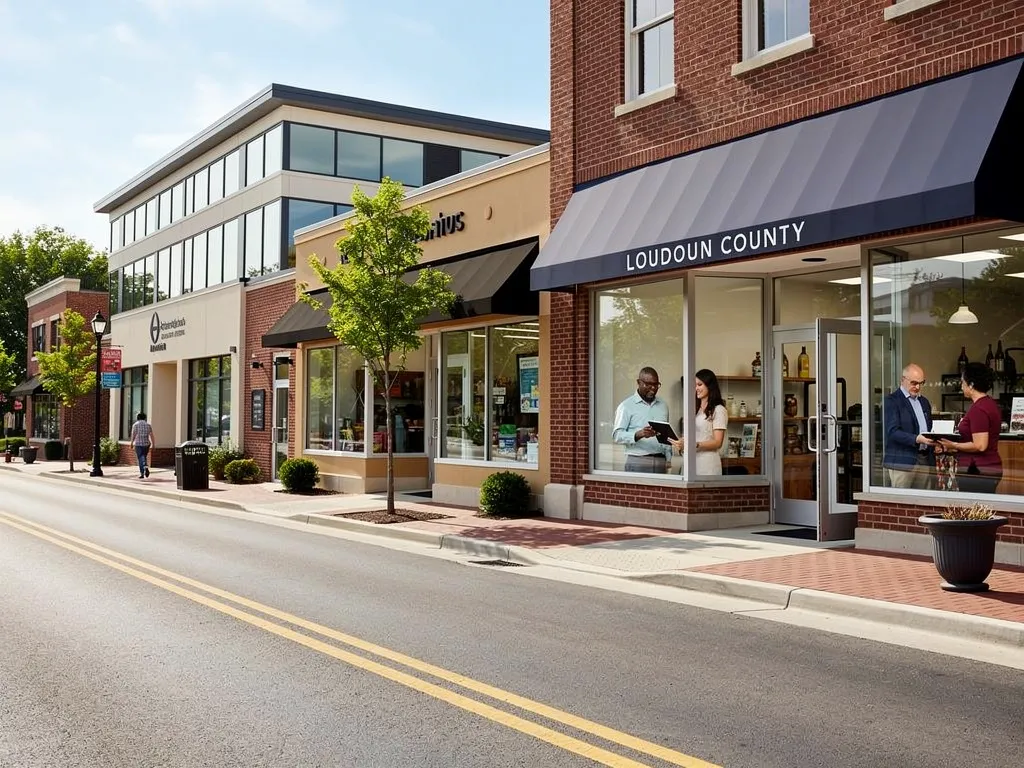
Economic development efforts, infrastructure projects, and local incentives impact lender perceptions and funding availability. Active community investment fosters an encouraging climate for small business financing.
Engagement in business groups and awareness of regional trends enhance preparedness and opportunity recognition.
Recent SBA Loan Trends Impacting Virginia Entrepreneurs
Approval rates for SBA loans have risen in Virginia due to targeted incentives and improved conditions. Staying informed on these developments enables Loudoun businesses to capitalize on evolving program opportunities.
Loudoun County Small Business Financing Incentives

Various grants, tax credits, and matched funding programs target priority industries and strategic growth initiatives, improving loan feasibility and lender confidence.
Coordinate with county economic development staff to access current incentive programs and understand application requirements.
Frequently Asked Questions
1. What documents are essential for the loan application process?
Personal financial statements, recent business tax returns, and realistic cash flow projections are foundational. Supplement with supporting contracts, leases, and an executive summary for a comprehensive application.
2. Are there specific funding programs designed for startups in Loudoun County?
Yes. Options include microloan programs, local grants targeting new businesses, and venture capital resources. Local economic development offices can guide startups toward suitable programs and offer mentoring support.
3. How can I improve my credit score to qualify for better loan terms?
Improve credit by timely bill payments, reducing debt, limiting new credit applications before loans, and disputing inaccuracies. Establishing and growing Loudoun business credit through reporting vendor accounts is also essential.
4. What is the role of business credit bureaus in securing loans?
They compile payment and credit behavior data used by lenders to assess risk. Maintaining a strong business credit profile enhances your standing with lenders.
5. How do local economic conditions affect loan opportunities?
A strong local economy with active development programs increases lender confidence and funding options. Being informed and engaged in local business initiatives further supports loan prospects.
6. What steps should entrepreneurs take when researching grant opportunities?
Identify grants aligning with your business profile, confirm eligibility, and craft detailed, goal-focused applications. Utilize local workshops and officials for proposal refinement and track deadlines carefully.
7. Can personal credit history impact business loan approval?
Yes, particularly for startups or small businesses requiring personal guarantees. A strong personal credit record supports favorable lending terms and improved approval odds.
Ready to Grow Your Loudoun County Business?
Discover comprehensive Ashburn VA small business loan options and tailored funding solutions at VIP Business Credit.
Contact VIP Business Credit
Get personalized coaching and expert assistance securing small business financing in Loudoun County:
📞 Phone: (571) 248-3863
✉️ Email: [email protected]
📅 Schedule a Consultation: https://vipbizfunds.com/consultation
🌐 Website: https://vipbizfunds.com
📍 Proudly serving Sterling, VA and the surrounding Northern Virginia area
About The Author
Lee Johnson is a recognized expert in Loudoun business credit coaching and small business funding strategies with VIP Business Credit. He specializes in guiding entrepreneurs through the nuances of building business credit and securing optimal local loans. Lee’s practical approach and local market insight equip Loudoun County small business owners to confidently navigate loan applications and financial planning. His commitment to empowering local businesses makes him a trusted advisor in the community.
Learn more about Lee Johnson’s professional services and resources at VIPBizFunds.com.
FAQ
What types of business loans are available to Loudoun County entrepreneurs?
Options include traditional small business loans, SBA loans, lines of credit, microloans, merchant cash advances, equipment financing, and grants, alongside alternatives like peer-to-peer lending, crowdfunding, and CDFIs.
What factors do lenders evaluate before approving a business loan?
Lenders review credit history, a detailed business plan, accurate financials, available collateral, and demonstrated capacity to repay before approving small business loans in Loudoun County.
How does VIP Business Credit support local business funding efforts?
Based in Sterling, VA, VIP Business Credit connects entrepreneurs to over 1,000 national and local lenders and offers its proprietary Fundability Score tool to strengthen EIN-based business credit.
Conclusion
In closing, securing the right business loan in Loudoun County starts with understanding how lenders evaluate your company, not just your personal credit history. Building fundability takes patience and the right guidance, but it puts you in control of your growth instead of leaving you dependent on personal guarantees. VIP Business Credit stands ready as your local partner, connecting you to a broad lender network and giving you the tools to see exactly where your business stands. You're building something lasting—let's work through the next steps together.
Explore local small business options and review our Loudoun County funding packages to get started.


