Business Inventory Loans: Keep Shelves Stocked with Reliable Working Capital for Inventory
Business Inventory Loans: Keep Shelves Stocked with Reliable Working Capital for Inventory
Inventory loans provide retailers, wholesalers, and e-commerce operators with essential working capital for inventory needed to restock before demand outpaces supply. VIP Business Credit's pre-qualification tool connects business owners with tailored inventory financing options with zero impact on personal credit. Shelves remain full even during peak sales periods, ensuring steady revenue and customer retention.
Key Takeaways About Business Inventory Loans and Inventory Financing
- Inventory loans enable retailers to meet customer demand during peak sales periods without depleting cash reserves.
- VIP Business Credit connects entrepreneurs to over 1,000 national and local lenders for accessible inventory financing solutions.
- Businesses with unsold stock can use inventory financing and business inventory loans to fund growth and operational needs effectively.
Why Does Running Out of Stock Cost You Sales?
Empty shelves direct customers straight to competitors. Running out of stock is among the fastest ways a business loses customers and revenue, whether operating a retail storefront, wholesale distribution, or an e-commerce platform fulfilling orders. Each missed sale rarely stays a one-time loss; disappointed buyers often find alternative sources and stop returning.
Every product on a shelf represents potential profit, not dead weight. When that shelf sits empty, the profit vanishes along with it. Poor inventory planning turns working capital for inventory into missed opportunity, which compromises customer loyalty over time.
What Makes Restocking and Inventory Financing So Difficult Right Now?
Market pricing pressures and supply chain disruptions complicate inventory planning for small businesses across sectors. Ordering too early ties up working capital for inventory unnecessarily; ordering too late means empty shelves during high demand. Business owners must balance costly extremes with increasingly narrow margins for error.
This is exactly where inventory loans, stock financing, and product funding earn their keep. Rather than waiting for cash to accumulate, these inventory financing solutions let businesses purchase stock ahead of demand and keep pace with customer expectations.
VIP Business Credit connects business owners to a network of over 1,000 national and local lenders, closing funding gaps with speed and flexibility. Access matters:
- Speed — capital arrives before a stockout leads to lost sales
- Flexibility — financing options range from short-term loans to revolving credit lines fitting varied inventory cycles
- Scale — a broad lender network offers more paths to approval than singular banking options

What Are Inventory Loans and How Do They Work Within Inventory Financing?
Inventory loans provide short-term funding designed specifically for purchasing stock. Retailers, wholesalers, and e-commerce sellers borrow a set amount to acquire merchandise, repaying as goods sell. Their repayment is synchronized with the sales cycle, differentiating them from general working capital loans.
The repayment process is straightforward: as inventory moves off shelves, sales proceeds reduce the loan balance instead of going into a separate repayment fund. This approach keeps the debt directly linked to revenue generation, offering flexibility unmatched by fixed monthly obligations.
Stock financing and product funding operate under similar principles but cater to varied needs, such as purchasing raw materials before manufacturing or preparing for seasonal demand spikes. Capital flows before revenue generation, closing gaps between purchase and sale.
How Does an Inventory Loan Differ From a Regular Business Loan?
Regular business loans fund general operations, payroll, or equipment, whereas inventory loans target stock purchase specifically, with repayment matched to how quickly inventory converts to cash.
Who Qualifies for Inventory-Based Financing?
Retailers, wholesalers, and e-commerce entrepreneurs with predictable sales cycles typically qualify. Lenders evaluate inventory turnover, supplier agreements, and seasonal demand before approval.
VIP Business Credit connects business owners to an extensive lender network ensuring inventory financing products align with the company’s stage, sector, and risk profile. They emphasize loan products linked to the business’s EIN, safeguarding personal credit while building the business’s borrowing history.
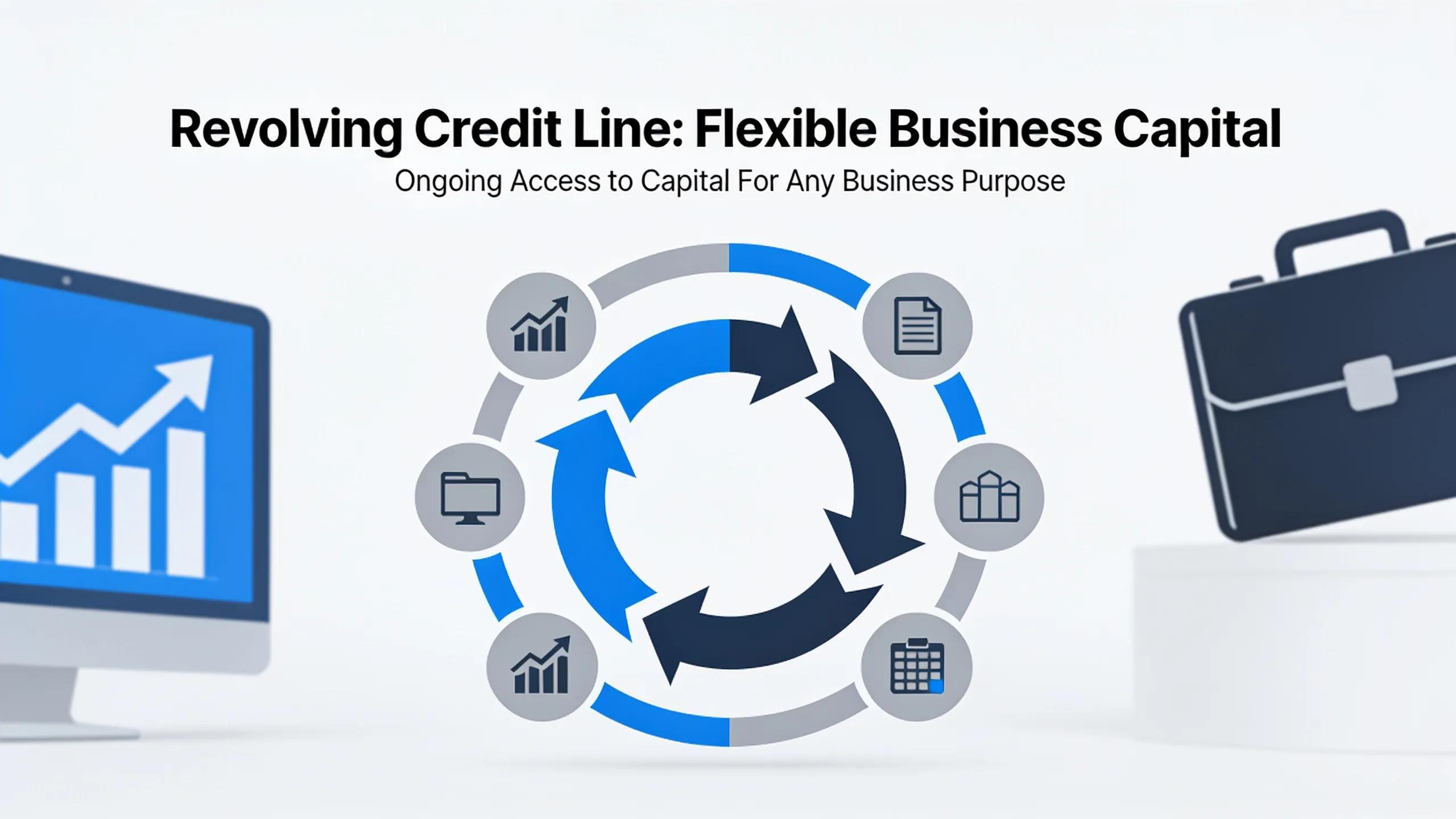
How Does Stock Financing Differ From a Revolving Credit Line?
A revolving credit line provides flexible, ongoing access to capital for broad business needs. In contrast, stock financing channels funding specifically toward purchasing goods intended for resale. This distinction matters most when timing is driven by demand cycles, supplier payment terms, seasonality, or bulk buying, issues a general credit line may not precisely address.
Retailers preparing for holiday rushes, wholesalers fulfilling large orders, or e-commerce sellers negotiating volume discounts all encounter the common challenge: cash outflows precede revenue inflows. Inventory loans and stock financing directly solve this short-term cash flow gap. A general credit line, however, supports payroll, rent, marketing, and other operating expenses without tying to a singular purchase cycle.
Is Inventory Financing Better for Growth Than a Line of Credit?
Inventory financing is especially effective for managing cash flow related to product procurement, capitalizing on growth opportunities, or addressing seasonal demand fluctuations. It excels when funding needs are directly linked to stock purchases. While general credit lines remain useful, combining both often maximizes financial control.
VIP Business Credit's cash flow strategies focus on placing working capital for inventory before shortages occur, not after shelves run bare. Local Business Credit Advisors collaborate directly with owners to identify the optimal mix of product funding, credit lines, or tailored solutions suited to the company’s purchasing cadence.

What Product Funding Options Exist Beyond Traditional Inventory Loans?

Business owners may utilize equipment credit lines, structured credit products, and comprehensive credit-building programs when conventional loans don't meet specific needs. Skipping these options often results in missed seasonal demand or paying cash prices despite better financing terms. These alternatives address various inventory-related needs, from acquiring necessary equipment to spreading stock purchases across manageable repayment plans.
Equipment credit lines are ideal for businesses requiring machinery, vehicles, or fixtures to sustain operations. An equipment credit line enables immediate acquisition, building the company’s credit profile while the equipment generates revenue. Many repayments qualify as deductible business expenses, offering tax advantages alongside capital access.
Stock financing complements these tools within a broader inventory financing portfolio. VIP Business Credit offers business loans, revolving credit lines, and a full credit-building program that merges funding with education—critical since capital access without fiscal management knowledge seldom leads to sustainable growth.
Which Lenders Offer Product Funding for Inventory and Related Financing?
Lending options include traditional banks, alternative financing companies, and specialized programs. These networks ensure product funding aligns with the business’s growth stage, sector, and risk profile. Additionally, business owners can explore resources from the U.S. Small Business Administration for complementary financing.
Why Choose Product Funding Over Standard Business Loans?
Product funding adapts closely to customer demand cycles compared to lump-sum loans. Business owners who finance inventory ahead of peak sales keep shelves stocked with in-demand products—preserving sales that might otherwise shift to better-stocked competitors, thereby protecting market position.
How Do You Qualify for Inventory Financing and Business Inventory Loans?

Lender qualification depends on underwriting profiles beyond mere sales volume. Underwriters assess how effectively a business controls the stock it holds. Strong inventory management demonstrates cash flow discipline and lowers repayment risk. Tracking stock levels, turnover rates, and reorder timing indicates stability—critical criteria before approving inventory loans, stock financing, or product funding.
Strong inventory controls contribute to long-term financial health visible through enforcible metrics in underwriting. Conversely, poor controls signal unpredictable cash flow, trapped capital, and heightened risk perceptions. Improving these fundamentals first strengthens the business's financing position.
What Does a Lender Actually Evaluate When Considering Inventory Financing?
Beyond revenue, lenders scrutinize how businesses manage credit gaps affecting terms. Diagnostic tools reveal underwriter perspectives, highlighting any gaps prior to application submissions. This insight avoids wasted applications and unnecessary credit impacts by guiding preparations for successful funding.
Can Business Owners Assess Eligibility Before Applying?
A FREE Business Success Scan helps owners determine which financing products they currently qualify for and which require additional preparation. This clarity prevents blind applications that often result in credit-harming declines, enhancing strategic financing success.
The typical qualification sequence includes:
- Reviewing current inventory turnover and cash flow dynamics
- Identifying credit gaps flagged during lender-readiness assessments
- Addressing gaps through structured credit-building initiatives
- Pursuing pre-qualified inventory financing aligned with business stage
Following this progression helps secure better loan terms, higher credit limits, and lower interest rates instead of settling for the first available offer.
How Can EIN-Based Credit Protect Your Personal Assets While Accessing Working Capital for Inventory?

Product funding linked to a business's EIN (Employer Identification Number) keeps company borrowing off the owner's personal credit report by excluding Social Security number use. This shields personal assets like mortgages and savings from risks associated with business credit challenges.
VIP Business Credit supports Northern Virginia and the Greater Washington, DC region by helping entrepreneurs establish business credit profiles linked to their EINs rather than personal identifiers. This fundamental approach guides clients in obtaining working capital for inventory and other financing while maintaining a protective boundary between personal and business liabilities.
Why Does Separating Personal and Business Credit Matter for Retailers and Wholesalers?
Retailers and wholesalers often carry seasonal debt loads for bulk pre-purchases and restocking. Managing debt through the business EIN prevents slow sales periods from negatively impacting personal credit scores and loan eligibility.
Besides facilitating inventory loans and related financing, VIP Business Credit enhances a company's credibility via consistent business identity reports and trade credit records visible to underwriters. Reliable reporting decreases perceived risk, unlocking better future stock financing terms.
What Does the Credit-Building Program Teach Business Owners?
The program combines funding access with education on managing credit responsibly without relying on personal credit backups.
Topics include:
- How EIN-based credit accounts are reported to business credit bureaus
- Maintaining healthy credit utilization ratios to avoid overleveraging
- Understanding underwriting criteria prior to applying
- Building trust signals for vendors and lenders through consistent financial behavior
This coaching fosters sustainable credit-building practices rather than temporary fixes.
What Mistakes Sink Inventory Financing Applications?

Most loan denials stem from weak or disorganized inventory records. Lenders require verifiable data on current stock, its location, and replenishment timing. Inaccuracies raise red flags signaling elevated risk.
Poor stock management also jeopardizes loan approval by demonstrating cash flow mismanagement, including running out of hot products or overstocking obsolete items. Lenders evaluating inventory loans, stock financing, or product funding expect evidence that the business can:
- Prevent costly stock-outs that diminish sales
- Avoid overstocking that ties up capital
- Maintain steady, predictable cash flow
- Keep accurate pricing and profit margins to ensure repayment capability
Why Does Disorganized Inventory Data Hurt Loan Approval Chances?
Disorganized records obstruct underwriters from verifying collateral value and repayment ability confidently. Credit lines cannot be sized properly around inventory that isn't tracked reliably, with discrepancies often leading to application denial.
Can Broker Relationships Contribute to These Mistakes?
Transactional broker interactions sometimes overlook inventory documentation gaps instead of resolving them. Concierge Business Credit Advisors providing local, hands-on support review inventory records prior to submission, identifying weak areas early. This transparent advisory service helps avoid costly application errors, saving time, preserving credit standing, and improving first-approval chances.
How Do You Choose the Right Inventory Financing Funding Partner?

A vast lender network differentiates a strong funding partner from limited alternatives. VIP Business Credit’s connections to over 1,000 national and local lenders offer business owners numerous routes to securing well-matched inventory loans. Diverse lenders accommodate the varied risk profiles of retailers, wholesalers, and e-commerce sellers.
Team size also impacts client experience. VIP Business Credit operates with a focused three-person team delivering concierge-level advisory services, as opposed to impersonal call-center models. Business owners receive personalized attention from familiar advisors versus scripted agents.
Does Location Limit Access to Inventory Financing Help?
Geography doesn't restrict eligibility. VIP Business Credit is rooted in Northern Virginia and actively supports businesses throughout business loans Ashburn VA. Its digital services extend nationwide, with personalized support for clients near business funding Tysons VA as well.
Is This Approach Only for Established Companies?
No. VIP Business Credit serves both new ventures seeking initial inventory financing approvals and established firms aiming to scale, consolidate debt, or expand using competitively priced capital. Tailored stock financing options fit the business’s actual status rather than enforcing one-size-fits-all solutions.
When selecting a funding partner, business owners should consider:
- Lender network breadth — offering diverse options matching seasonal or bulk product funding needs
- Advisory structure — small, dedicated teams versus large, impersonal call centers
- Local presence with national reach — based at 21000 Southbank St Ste 106-380, Sterling, VA 20165, serving the Sterling and Greater DC business community, plus nationwide digital service
- Growth-stage flexibility — supporting both first-time applicants and mature firms
A trustworthy funding partner molds solutions around the business’s needs, rather than forcing the business into rigid financial products.
Frequently Asked Questions (FAQ) About Inventory Loans and Inventory Financing
How Do Inventory Loans Differ From General Working Capital Loans?
Inventory loans synchronize repayment with inventory sales cycles. As merchandise sells, proceeds reduce the loan’s balance, linking debt directly to actual revenue rather than a fixed monthly charge.
How Does VIP Business Credit Help Businesses Find Inventory Financing?
VIP Business Credit’s pre-qualification tool connects business owners to inventory loans and financing options through a vast network of over 1,000 national and local lenders, ensuring zero personal credit impact.
Why Is Inventory Planning Harder for Small Businesses Currently?
Pricing pressures and supply chain disruptions cause timing challenges. Ordering too early locks up cash unnecessarily, while ordering late results in empty shelves during peak demand periods.
Conclusion
Keeping your shelves stocked requires more than good intentions—it demands reliable working capital for inventory deployed at precisely the right time. Business inventory loans give you the purchasing power to meet customer demand, avoid stockouts, and capitalize on seasonal opportunities without straining cash flow. By securing the appropriate financing structure and building a strong business credit profile, you position your company to grow sustainably and compete confidently in your market.
About The Author
Lee Johnson is a Real Estate Investor, Business Growth Strategist, and Master Certified Professional Coach with over 25 years of experience in business finance, credit strategy, and entrepreneurial development. As the founder of VIP Business Credit, he guides entrepreneurs and small business owners in establishing lender-ready corporate credit profiles tied to their EIN rather than personal SSN to access capital and protect personal assets.
Contact VIP Business Credit
- 📞 Phone: (571) 248-3863
- ✉️ Email: [email protected]
- 📅 Consultation: Schedule A Business Financial Health Strategy Call
- 🌐 Website: https://vipbizfunds.com
- 🎯 FREE Business Success Scan: FREE Business Success Scan
- 📍 Service Area: Sterling, VA and surrounding areas (Service Area Business)


