Essential Startup Business Loan Requirements Demystified
Essential Startup Loan Types Explained
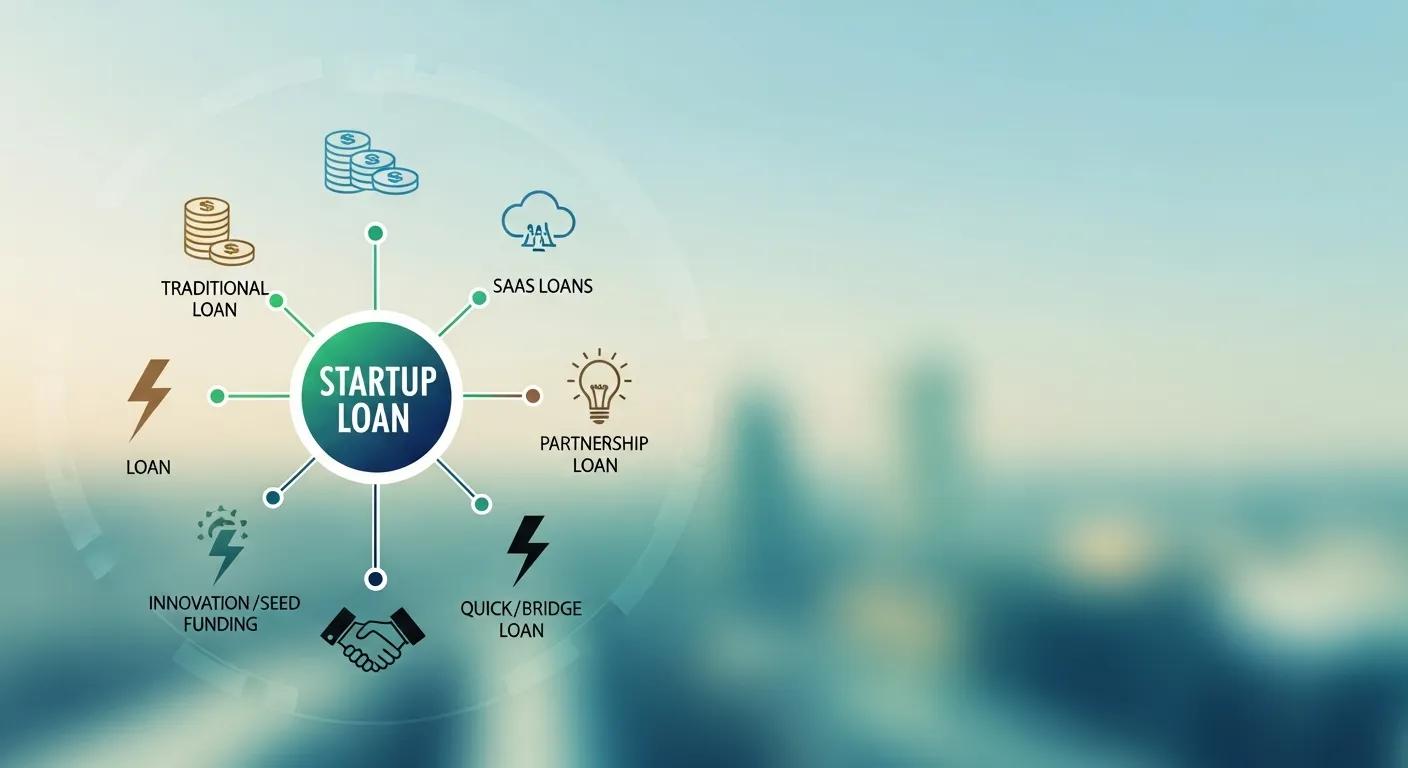
Starting your own business is a bold move, but did you know that most startups fail because they don’t understand how to secure the right funding? Without the right knowledge about business loan types, you risk wasting precious time, money, and damaging your credit before you even get off the ground. At VIP Business Credit, we believe that mastering the landscape of startup business loans is your first step to winning. This comprehensive guide breaks down everything you need to know about the most effective small business loan types, the critical startup loan requirements, and how to qualify for the funding that will launch and grow your business with confidence.
Key Takeaways
- Understanding the right business loan types saves you money, time, and protects your credit.
- SBA loans for startups are often the best first choice due to favorable terms and government backing.
- Term loans and business lines of credit offer flexible options for working capital and growth.
- Equipment loans and invoice financing provide asset-based lending solutions ideal for startups with limited credit history.
- Meeting startup loan requirements like a solid business plan, good personal credit, and proper documentation is essential.
- Building your business loan eligibility before applying increases your chances of approval and better terms.
- VIP Business Credit offers expert guidance and a streamlined pre-qualification process to help you find the right loan fast.
- Knowing loan terms, interest rates, and repayment structures helps you budget and avoid surprises.
Why Business Loan Type Matters for Startups
Choosing the wrong business loan type can cost you dearly. Imagine locking yourself into a high-interest loan with inflexible repayment terms that drain your cash flow or applying for a loan you don’t qualify for, damaging your credit score in the process. When you understand the nuances of each loan option, you can:
- Save money by selecting loans with the best rates and terms for your business stage.
- Protect your credit by avoiding unnecessary hard inquiries and denials.
- Access funds faster by targeting loans that match your business profile and needs.
- Build a strong financial foundation that supports sustainable growth.
At VIP Business Credit, we empower you to make informed decisions so you can focus on what matters most: growing your startup.
Overview of the Most Common Business Loan Types
There’s no one-size-fits-all when it comes to startup business loans. Here’s a quick introduction to the most popular small business loan types you should know:
Term Loans
These are lump-sum loans repaid over a fixed period with set interest rates. Ideal for large purchases or expansion projects.
SBA Loans
Government-backed loans with lower rates and longer terms, including SBA 7(a), Microloans, and Community Advantage programs.
Business Lines of Credit
Flexible revolving credit that lets you borrow as needed up to a limit, perfect for managing cash flow fluctuations.
Equipment Loans
Loans specifically for purchasing or leasing equipment, where the equipment itself serves as collateral.
Invoice Financing
Access cash by borrowing against your outstanding invoices, helping you bridge gaps in accounts receivable.
Microloans
Smaller loan amounts often provided by community lenders or nonprofits, great for startups with limited credit history.
Merchant Cash Advances
Quick funding based on future sales, repaid through a percentage of daily credit card receipts.
Comparison Table: Business Loan Types for Startups
| Loan Type | Loan Amount Range | Repayment Term | Interest Rate Range | Best For | Minimum Credit Score |
|---|---|---|---|---|---|
| SBA 7(a) | $5,000 - $5 million | Up to 25 years | 6% - 13% | Working capital, expansion | 620+ |
| SBA Microloan | Up to $50,000 | Up to 6 years | 8% - 13% | Small startup funding, inventory | 600+ |
| Term Loans | $10,000 - $500,000+ | 3 months - 5 years | 8% - 35% | Large purchases, growth projects | 620+ |
| Business Lines of Credit | $5,000 - $250,000+ | Revolving | 8% - 25% | Ongoing working capital | 620+ |
| Equipment Loans | $5,000 - $500,000+ | Up to useful life of equipment | 6% - 20% | Equipment purchase or lease | 600+ |
| Invoice Financing | $5,000 - $500,000+ | Short-term (30-90 days) | Variable, often 1-5% fee per invoice | Bridge cash flow gaps | Varies |
| Merchant Cash Advance | $5,000 - $250,000 | Less than 1 year | High effective APR | Fast cash based on sales | Varies |
SBA Loans for Startups: The Gold Standard
SBA loans for startups are widely regarded as the best first option for new businesses because they combine government backing with favorable terms. Here’s a deep dive into the key SBA programs:
SBA 7(a) Loan
- Purpose: General working capital, equipment, expansion, refinancing.
- Loan Amount: Up to $5 million.
- Terms: Up to 25 years for real estate, 10 years for equipment, 7 years for working capital.
- Interest Rates: Typically 6% to 13%, often tied to prime rate.
- Eligibility: Minimum 6 months in business, good personal credit (620+), solid business plan.
SBA Microloan
- Purpose: Small startup funding, inventory, working capital.
- Loan Amount: Up to $50,000.
- Terms: Up to 6 years.
- Interest Rates: 8% to 13%.
- Eligibility: Often more flexible, community lenders focus on business plan and character.
SBA Community Advantage Loan
- Purpose: Support underserved markets with loans up to $250,000.
- Terms: Similar to 7(a) but with community lender focus.
- Benefits: Easier qualification for startups with strong plans but limited credit history.
These SBA programs reduce lender risk through partial government guarantees, which means you get access to lower interest rates and longer repayment terms than most alternatives. While the application process can be more involved, the benefits often outweigh the wait.
Term Loans and Business Lines of Credit
Term Loans
Term loans provide a lump sum upfront that you repay over a fixed period with interest. They’re perfect when you have a specific project or purchase in mind, such as expanding your location or buying inventory in bulk.
- Repayment: Fixed monthly payments over 3 months to 5 years.
- Interest Rates: Typically 8% to 35%, depending on credit and lender.
- Eligibility: Usually requires 6+ months in business, minimum credit score around 620, and financial documentation.
Business Lines of Credit
Business lines of credit offer flexible access to funds up to a credit limit. You only pay interest on what you borrow, making it ideal for managing cash flow, seasonal expenses, or unexpected costs.
- Repayment: Revolving credit with monthly payments based on balance.
- Interest Rates: Typically 8% to 25%, often variable.
- Eligibility: Requires 6+ months in business, decent credit, and revenue history preferred.
Choosing between a term loan and a line of credit depends on your cash needs. If you want a fixed amount for a defined purpose, go term loan. If you want ongoing access to funds, a line of credit is your best bet.
Equipment Loans and Invoice Financing for Startups
Equipment Loans
Equipment loans are asset-based loans where the equipment you purchase serves as collateral. This reduces lender risk and can help startups with limited credit history secure funding.
- Loan Amount: Based on equipment cost.
- Terms: Up to the useful life of the equipment.
- Interest Rates: Typically 6% to 20%.
- Benefits: Easier approval, preserves working capital, and builds business credit.
Invoice Financing
Invoice financing helps you unlock cash tied up in unpaid invoices. There are two main types:
- Invoice Factoring: You sell your invoices to a lender at a discount and get immediate cash.
- Invoice Financing: You borrow against your invoices and repay when customers pay.
This option is great for startups with strong sales but slow-paying customers, improving cash flow without taking on traditional debt.
Essential Startup Loan Requirements
Before you apply for any startup business loans, you need to meet certain universal startup loan requirements that lenders use to assess your risk and repayment ability. Here’s what you must have ready:
- Business Age: Most lenders want at least 6 months in operation, though some microloans and alternative lenders are more flexible.
- Employer Identification Number (EIN): Your business tax ID.
- Business Bank Account: Separate from personal accounts to track cash flow.
- Revenue Documentation: Bank statements, invoices, contracts, or sales reports.
- Personal Credit Score: Typically 620+ for traditional loans; alternative lenders may accept lower.
- Business Plan: A clear, lender-ready plan showing how you’ll use funds and repay.
- Collateral: Equipment, real estate, or personal guarantees to reduce lender risk.
How to Improve Your Startup Loan Eligibility
Boosting your business loan eligibility before applying can dramatically increase your chances of approval and better terms. Follow these steps:
- Build Business Credit: Open net-30 vendor accounts and pay on time to establish a credit history.
- Get a DUNS Number: Register with Dun & Bradstreet to track your business credit profile.
- Separate Finances: Keep personal and business accounts distinct to simplify documentation.
- Maintain Good Personal Credit: Pay down debts, dispute errors, and keep balances low.
- Prepare a Strong Business Plan: Include financial projections and a clear use of funds.
- Work with VIP Business Credit: Our experts guide you through qualification, document preparation, and lender matching to maximize your success.
Frequently Asked Questions
What are the main types of business loans for startups?
The primary business loan types include SBA loans (7(a), Microloans), term loans, business lines of credit, equipment loans, invoice financing, microloans, and merchant cash advances. Each serves different funding needs and eligibility profiles.
What credit score do I need to get a startup business loan?
Most traditional lenders require a personal credit score of 620 or higher. Alternative lenders may accept lower scores but often charge higher interest rates.
Can I get a business loan with no revenue?
Yes. Options like SBA Microloans, equipment loans, and loans with personal guarantees or collateral can help startups without revenue qualify.
What is the easiest business loan to get as a startup?
Equipment loans and SBA Microloans are generally easier to qualify for because they rely on collateral or community lender flexibility.
How long does it take to get approved for a startup loan?
Approval times vary: SBA loans can take several weeks, while alternative lenders and merchant cash advances may approve within days.
How can VIP Business Credit help me get a startup loan?
VIP Business Credit offers expert guidance, a fast pre-qualification process, and personalized lender matching to help you find the right loan quickly without harming your credit.
About The Author
Lee Johnson is the Co-Founder and CEO of VIP Business Credit, bringing over 25 years of experience helping entrepreneurs identify the right business loan types and meet startup funding requirements. Based in Sterling, VA, Lee and his team at VIPBizFunds.com specialize in guiding new business owners from credit building to loan approval. Reach out today to get expert support on your funding journey.
Contact: (571) 248-3863 | vipbizfunds.com
Ready to Secure the Right Startup Loan?
Don’t let funding confusion hold you back. Contact VIP Business Credit now for a free, no-obligation pre-qualification and expert guidance tailored to your unique business needs. Call us at (571) 248-3863 or visit vipbizfunds.com to get started today!


