Monitor Business Credit and Boost Your Score
Monitor Business Credit and Boost Your Score
Schedule A Business Financial Health Strategy Call

When it comes to monitor [business credit](https://vipbizfunds.com/business-credit), business Credit Report reviews start with pulling your EIN-based report regularly and correcting errors immediately. VIP Business Credit's business credit monitoring tool tracks changes across your file. Connections to over 1,000 national and local lenders help you build stronger payment history and boost creditworthiness over time.
Business owners monitor business credit by pulling reports regularly, since lenders, suppliers, and insurers review this data to judge risk. VIP Business Credit's scoring tool and Bureau Insights offer comprehensive business credit monitoring, tracking changes across bureaus, flagging errors, and highlighting gaps. VIP Business Credit's scan shows pre-qualified options and a clear improvement roadmap, enabling businesses to continuously improve business credit report quality.
Key Takeaways

Consistently monitor business credit reports regularly across all three major credit bureaus for accuracy and completeness.
Banks, lenders, and insurance carriers review your business credit score to assess creditworthiness and risk profile.
Your business credit score directly impacts the credit amounts suppliers extend and the interest rates charged.
VIP Business Credit connects entrepreneurs to over 1,000 national and local lenders nationwide to support credit building and financing strategies.
Why Does Monitoring Business Credit Matter?
A business credit score determines how much credit suppliers extend and the interest rate a company pays on every loan. Skipping regular business credit monitoring leaves owners blind to errors, fraud, or score drops until a lender denial delivers the bad news. Banks, insurance carriers, and even prospective business partners pull a company's credit report before deciding whether to work with it. An outdated or inaccurate file can quietly cost real opportunities and stall growth.
Business Credit Report - Run a Free Company Search notes that a company’s credit score shapes its financial health directly, affecting both the supplier terms it qualifies for and the borrowing costs it carries. That connection makes it routine, not optional, to monitor business credit report data through consistent business credit monitoring rather than treating it as an occasional check-in.
What happens if a business never checks its credit report?
Business credit file errors go unnoticed, fraudulent accounts stay open, and payment histories can misreport activity that never happened. Business Credit Reports for Small Businesses points out that banks, lenders, insurance carriers, and customers all review this report to judge creditworthiness, risk, and partnership potential. A company that never looks at its own file has no way to correct what those outside parties are seeing, increasing the risk of denials and missed opportunities.
How does EIN-based credit change the monitoring stakes?
Credit tied to a company's EIN separates business liability from personal liability. This separation is effective only if the file stays accurate and current through ongoing business credit monitoring. VIP Business Credit helps entrepreneurs across Northern Virginia and the Greater Washington, DC region build this kind of EIN-based profile from the ground up. The firm’s core focus centers on helping clients access high-limit business loans and revolving credit lines while keeping that separation intact. This goal depends on catching problems early through systematic monitor business credit strategies rather than after a denial.
Consistent oversight also supports efforts to improve business credit report scores over time, since fixing inaccurate data first prevents wasted effort building on a flawed foundation. A disciplined business credit monitoring routine is essential for long-term success.

Three major credit bureaus track business credit: Experian, Equifax, and Dun & Bradstreet. Each bureau pulls information from different sources—trade lines, public records, payment histories—so scores can vary from one bureau to the next. This variation is why comprehensive business credit monitoring across all bureaus is a crucial practice.
That variation creates a real risk. A lender pulling one bureau’s file might see a strong score while another shows a thin, outdated, or inconsistent one. Business owners who monitor business credit across all three catch these gaps before a lender does, improving chances of favorable financing.
Here’s what each bureau tracks:
Experian — trade payment history, public filings, and business demographic data
Equifax — payment trends, credit utilization, and risk scoring
Dun & Bradstreet — payment behavior tied to a company's D-U-N-S Number
Why does the Dun & Bradstreet score matter so much?
Built from a company's Dun and Bradstreet DUNS number profile, Dun & Bradstreet's business credit scores predict the likelihood that a company will make a severely late payment within the next 12 months. Lenders and vendors lean on this forecast heavily when setting terms. A thin or damaged D&B file often means tighter payment terms or outright denial. Continuous business credit monitoring helps to identify and address issues that negatively impact this critical score.
Understanding the Paydex Score
Dun & Bradstreet expresses this risk forecast as a Paydex score, a numeric rating built entirely from how a company pays its trade lines — on time, early, or late. A business paying strictly on terms typically lands in the mid-range, while consistent early payment pushes the score higher and signals lower risk to lenders and vendors. Because the Paydex score depends on reported trade lines, a company with few or no accounts reporting to D&B often shows a thin or absent score regardless of how reliably it actually pays. Getting active trade accounts reporting, and paying them ahead of terms when possible, is one of the most direct paths to paydex score optimization over time.
Can a business owner check all three bureau scores in one place?
Yes. Dedicated platforms exist that let owners check their standing across all three major bureaus — Experian, Equifax, and Dun & Bradstreet — without pulling three separate reports. That consolidated view makes it far easier to spot where a business needs to improve business credit report quality before applying for financing.
VIP Business Credit's Bureau Insights tool builds on this idea, giving owners ongoing business credit monitoring of the exact data underwriters review. Paired with access to more than 1,000 national and local lenders, that visibility turns bureau data from a mystery into a precise roadmap for stronger approvals.

Each bureau draws from different sources, so the same business can look stronger or weaker depending on which report a lender pulls. Here's a quick side-by-side of what each one tracks:
How Do You Set Up Credit Monitoring?
Setting up business credit monitoring starts with a thorough scan that shows exactly where a company stands with lenders today. VIP Business Credit's tool reveals a business’s credit gaps and lays out a clear roadmap for funding future growth. Skipping this step leaves owners guessing about their standing until a lender delivers unwelcome news.
Speed matters here. The scan matches a business to pre-qualified funding options quickly, with zero impact on personal credit. Founders can check their position without the fear that a routine review will ding their personal score, making monitor business credit easy and safe.
What Does the Scan Actually Check?
The scan assesses how a business currently appears to underwriters, flagging weak spots before they turn into denied applications. It then maps those gaps to specific funding paths worth pursuing, guiding owners on practical next steps to improve business credit report standing.
Setting up ongoing business credit monitoring after that initial scan involves a few consistent habits:
Schedule regular reviews of the business credit report, not just before loan applications.
Compare new report data against prior pulls to catch sudden changes or errors.
Flag inaccurate or outdated information for immediate correction with the bureaus.
Track which accounts are reporting payment history and work to add those that don’t currently report.
Why Does Regular Monitoring Matter So Much?
Regularly checking a business credit report keeps the information accurate and current. It also prepares an owner to discuss competitive rates and terms with lenders and creditors before those conversations happen.
Failing to establish a habit of business credit monitoring costs owners real negotiating power. An entrepreneur who enters lending discussions blind cannot push back on unfavorable terms or catch a reporting error that’s quietly inflating perceived risk. Owners who consistently improve business credit report quality through diligent monitoring build a credible track record that speaks for itself. Monitoring is an ongoing discipline that keeps a company's credit story accurate, current, and ready for the next growth opportunity.

What Warning Signs Should You Watch For?

Inconsistent business identity data ranks among the clearest red flags lenders notice. A mismatched address, an outdated phone number, or a business name that varies across filings tells underwriters the company lacks stability. VIP Business Credit helps clients correct these gaps by strengthening core credibility signals, including consistent business identity data and reliable trade credit reporting. Lenders read the business as lower risk rather than a guessing game.
Trade accounts that go unreported create a second blind spot. A company might pay every vendor on time but show a thin file because those payments never reach the bureaus. That gap can quietly cap borrowing power for years, which is exactly why comprehensive business credit monitoring and proactive efforts to improve business credit report quality matter so much.
What Should a Business Owner Look for in a Credit Report?
A business background check should surface liens, judgments, and bankruptcies tied to the company before those records surprise a lender mid-application. These items signal risk to anyone considering an extension of credit terms, and catching them early gives an owner time to resolve or explain them. Left unchecked, they can quietly derail an otherwise strong funding request.
Owners reviewing their file should watch for these critical signals:
Liens, judgments, or bankruptcy filings attached to the business
Trade lines that are open but not reporting payment history
Business identity details that shift across directories and applications
Score movement that doesn’t match actual payment behavior
Why Does Matching a Lender to Risk Profile Matter?
A generic financing approach ignores what actually drives approval odds. VIP Business Credit connects clients to a broad network of lenders and matches financing strategy to a business’s stage, sector, and specific risk profile. A retail startup and an established equipment-heavy contractor need different lenders, different underwriting paths, and different timelines — treating them the same wastes both time and approval chances. Recognizing warning signs early, and pairing that awareness with the right lender match, keeps a business’s credit file working in its favor instead of against it.
How Can You Improve Your Business Credit Report?

Consistent reporting habits build stronger business credit reports over time. Payment history, account age, and credit utilization all shape how lenders view a company’s risk. Skipping this work costs businesses better rates, higher limits, and faster approvals down the road.
A practical first step involves adding accounts a company already pays on time to its credit file. Many businesses pay vendors, suppliers, and utility providers every month without those payments ever reaching a credit bureau. Reporting these accounts gives lenders a fuller picture of payment reliability, and it strengthens the file without requiring new debt.
What Role Does Business Credit Monitoring Play?
Business credit monitoring allows owners to catch reporting errors before they affect a loan application. Regular monitoring also reveals which accounts are reporting and which ones need to be added. Founders who check their file every quarter, not just when applying for financing, catch problems early, correct them faster, and build a stronger credit profile over time.
Where Can Business Owners Get Structured Help?
VIP Business Credit’s tailored programs give founders a clear path forward, not just a checklist. Offerings include business loans, lines of credit, and a full credit-building program that pairs financing with education and coaching on underwriting criteria. This combination helps owners understand why lenders approve or decline applications, not just how to apply.
The approach fits two very different situations. Newer ventures seeking their first approvals need foundational guidance. Established firms looking to scale or secure better-priced capital need a strategy built around existing strengths. Both benefit from the same core habit: to improve business credit report standing, businesses need accurate, consistent data reporting to the bureaus lenders actually check. Building that habit early prevents costly surprises when it’s time to borrow.
How Does a Capital-Ready Scan Reveal Gaps?
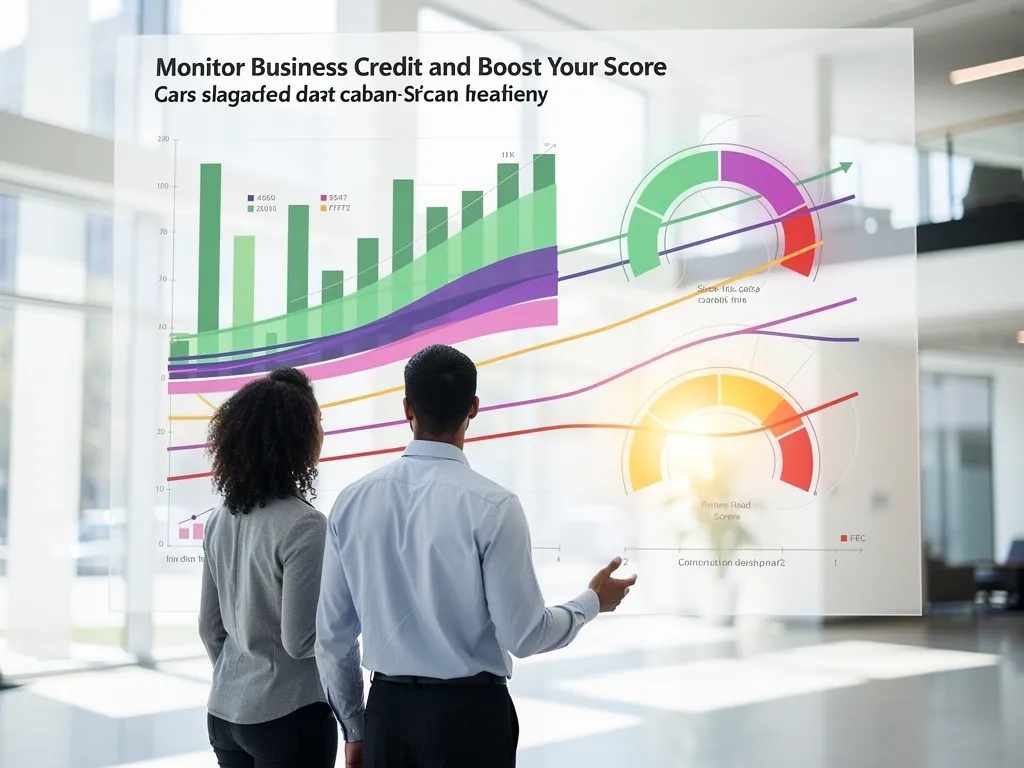
A capital-ready scan exposes the exact factors underwriters weigh before approving a loan or credit line. VIP Business Credit’s proprietary Capital-Ready Score translates raw bureau data into a clear picture of how lenders actually view a company, flagging weak spots before they turn into denials. Business owners see, in plain terms, why an application might get rejected long before a lender delivers that answer.
The scan works by comparing a company’s current profile against the benchmarks lenders use to judge risk. That comparison surfaces gaps most owners never knew existed — missing trade lines, inconsistent business identity data, or thin payment history. Each gap becomes a specific action item rather than a vague warning, allowing focused efforts to improve business credit report results effectively.
What Gaps Does the Scan Typically Find?
Most scans uncover a mix of structural and reporting issues. Common findings include:
Incomplete or inconsistent business identity details across registrations and vendor accounts
Missing trade lines that limit how much history bureaus can report
Payment patterns that haven’t been reported at all, leaving lenders with no data to evaluate
Credit utilization signals that don’t match how the business actually operates
Fixing these gaps is central to how a business owner can improve business credit report outcomes over time. Each correction strengthens the data lenders rely on, reducing risk perceptions and increasing financing options.
Who Helps Interpret the Results?
Local Business Credit Advisors, based out of the firm’s Sterling, Virginia headquarters, walk owners through their scan results one-on-one. These advisors translate the score into a concrete roadmap, explaining which accounts to open, which bills to report, and which errors to dispute first.
Pricing for this guidance stays transparent, with no hidden fees layered in after the fact. That structure reflects a broader commitment: the firm positions itself as a long-term partner, not a one-time broker chasing a single transaction. Owners who monitor business credit consistently, supported by ongoing monitoring, catch new gaps before they cost a future approval.
Why Work With a Local Credit Advisor?

A local credit advisor transforms confusing lender requirements into a clear plan tailored to one specific business. VIP Business Credit’s office sits at 21000 Southbank St, Suite 106-380, in Sterling, Virginia, placing advisors close to the entrepreneurs they serve. That physical presence matters. Rooted in Northern Virginia, the firm actively supports businesses across Loudoun County while still working with lenders nationwide. Proximity never limits access to funding.
Local guidance changes how owners approach lender relationships. Instead of applying blind and hoping for approval, business owners gain a partner who helps them monitor business credit activity and prepare before they ever submit an application. Working through an established lender network puts owners in a stronger position to negotiate rates and terms, rather than accepting whatever offer arrives first.
What Does a Credit Advisor Actually Help With Day to Day?
A credit advisor helps owners improve business credit report accuracy, match products to the business’s stage, and avoid missteps that damage standing with lenders. Advisors also reinforce habits that protect credit health long term, including:
Keeping debt levels under control
Avoiding maxed-out credit lines
Reviewing reports regularly through systematic business credit monitoring
Correcting errors before they reach an underwriter’s desk
Why Not Just Manage This Alone?
Owners can manage credit building on their own, but small errors compound quickly without a second set of eyes. A local advisor catches red flags early and adjusts strategy before a declined application damages momentum. That kind of steady, hands-on support is hard to replicate through generic online tools alone and can be the difference between approval and denial.
What’s Your Next Step to Stronger Credit?

The next step starts with a decision: build credit under the company’s EIN rather than the owner’s Social Security number. This single choice helps separate personal and business credit, protecting personal assets while opening the door to higher loan limits. Business owners who delay this step often find themselves capped at smaller amounts, with personal credit carrying risk that belongs to the company instead.
VIP Business Credit approaches this work as a small, focused team of three employees, delivering concierge-level guidance rather than a call-center experience. Each client works with dedicated advisors who specialize in personalized business credit monitoring and credit-building strategies designed to improve business credit report metrics sustainably.
Your Path to Stronger Business Credit Starts Here

Take control of your company's financial future with expert guidance and proactive business credit monitoring. Schedule a personalized consultation with VIP Business Credit specialists who will help you identify gaps, build credit, and connect with lenders suited to your unique profile.
Contact Us:
📞 Phone: +1 (571) 248-3863
✉️ Email: [email protected]
FAQ
Why should a business monitor its credit report regularly?
Lenders, suppliers, and insurers all pull business credit reports to judge risk. Regular business credit monitoring catches errors, fraud, or score drops before a loan denial reveals the problem, enabling preemptive corrections that maintain funding access.
Which bureaus track business credit scores?
Experian, Equifax, and Dun & Bradstreet each track business credit, pulling from different trade lines, public records, and payment histories. This means scores can vary between bureaus, making it crucial to monitor business credit comprehensively across all three.
How does VIP Business Credit help improve a business credit report?
VIP Business Credit's Fundability Score and Bureau Insights track changes across bureaus and flag errors. Coupled with connections to over 1,000 national and local lenders, this service helps businesses build stronger payment history, understand their credit standing, and effectively improve business credit report results.
About The Author
Lee Johnson is the Co-Founder and CEO of VIP Business Credit. With over 25 years of experience in business funding, business credit building, and generational wealth strategies, Lee holds a Bachelor of Science from Fairleigh Dickinson University and an MBA from the University of Phoenix. As a Master Certified Professional Coach with over 500 coaching hours, Lee guides business owners in building lender-ready credit profiles tied to their EIN and securing high-limit financing.
Research & Sources
The guidance in this article draws on how the three major business credit bureaus actually score risk. Dun & Bradstreet's Paydex score is built from reported trade-line payment data and is designed to predict the likelihood of a severely late payment within a 12-month window — which is why thin or unreported trade lines can leave a business's Paydex score flat even when it pays reliably. Experian and Equifax pull from an overlapping but distinct mix of trade payment history, public filings, and credit utilization, which is why the same business can show different scores across bureaus.
Structuring credit under a company's EIN, separate from an owner's Social Security number, is a standard practice for keeping personal and business liability distinct — a separation that depends on the EIN-based file staying accurate through ongoing monitoring. VIP Business Credit's Bureau Insights and Capital-Ready Score tools are built around this same principle: surfacing bureau-reported gaps so they can be corrected before a lender sees them.


