Strategies to Improve Your Business Fundability Score: Practical Steps to Boost Your Business Credit and Financing Eligibility
Strategies to Improve Your Business Fundability Score: Practical Steps to Boost Your Business Credit and Financing Eligibility
Your business fundability score affects the loans and terms lenders will offer. Think of fundability as a report card for your company’s finances: higher marks make borrowing easier and cheaper. This article lays out clear, actionable steps to raise that score. We explain what fundability is, how lenders judge it, and practical moves you can make to strengthen your financial profile.
Knowing your fundability score helps you target the right improvements. We cover the main factors lenders review—like credit reports and financial health—and why financial readiness matters. You’ll also see common obstacles businesses face and how focused coaching from VIP Business Credit can support steady progress. The goal is to give you clear next steps you can apply right away.
Key Takeaways
- A business fundability score measures creditworthiness and financial stability, influencing loan approval and terms.
- Lenders evaluate fundability using credit history, financial records, and risk models to assess repayment ability.
- Key fundability factors include credit score, business age, and debt-to-income ratio, impacting loan eligibility.
- Improving business credit involves timely payments, establishing credit accounts, and regularly monitoring credit reports.
- A funding readiness checklist ensures essential documents like business plans and financial statements are current and organized.
- Addressing credit issues such as overdue debts and report discrepancies enhances fundability and loan approval chances.
- Consistent financial management and building lender relationships support sustainable growth in business fundability.
- VIP Business Credit offers coaching and funding services that improve credit practices and match businesses with suitable financing.
- Staying informed about financing trends helps businesses adapt strategies for better fundability and competitive advantage.
What Is a Business Fundability Score and Why Does It Matter?

A business fundability score is a metric lenders use to judge your company’s creditworthiness and financial stability. A higher score improves your odds of approval, lowers rates, and secures better terms. Lenders combine items such as credit history, legal structure, and financial statements to form this view. Improving fundability directly expands your access to capital.
How Do Lenders Evaluate Business Fundability?
Lenders use financial records, credit reports, and risk models to assess fundability. They check items like payment history, outstanding balances, and revenue. Clear, organised financial documents make evaluations faster and more favourable. Keeping records in good order helps lenders see your business as predictable and reliable.
Which Fundability Factors Most Impact Loan Approval?
Certain elements carry extra weight when lenders decide on business loan approval. Knowing these lets you focus your efforts where they matter most.
- **Credit Score**: A higher credit score typically results in better loan terms and a greater likelihood of approval.
- Business Age: Established businesses often have an advantage, as longevity indicates stability and reliability.
- Debt-to-Income Ratio: Lenders assess your ability to manage existing debts relative to your income, affecting their risk evaluations.
Use these factors as a working checklist rather than a one-time review. Start with the elements you can control directly, such as paying down revolving balances or tightening your debt-to-income ratio, before tackling slower-moving factors like business age. Revisit the list every few months so you can track real progress and adjust your priorities as your financial picture changes.
How Can You Optimize Your Business Credit for Better Fundability?
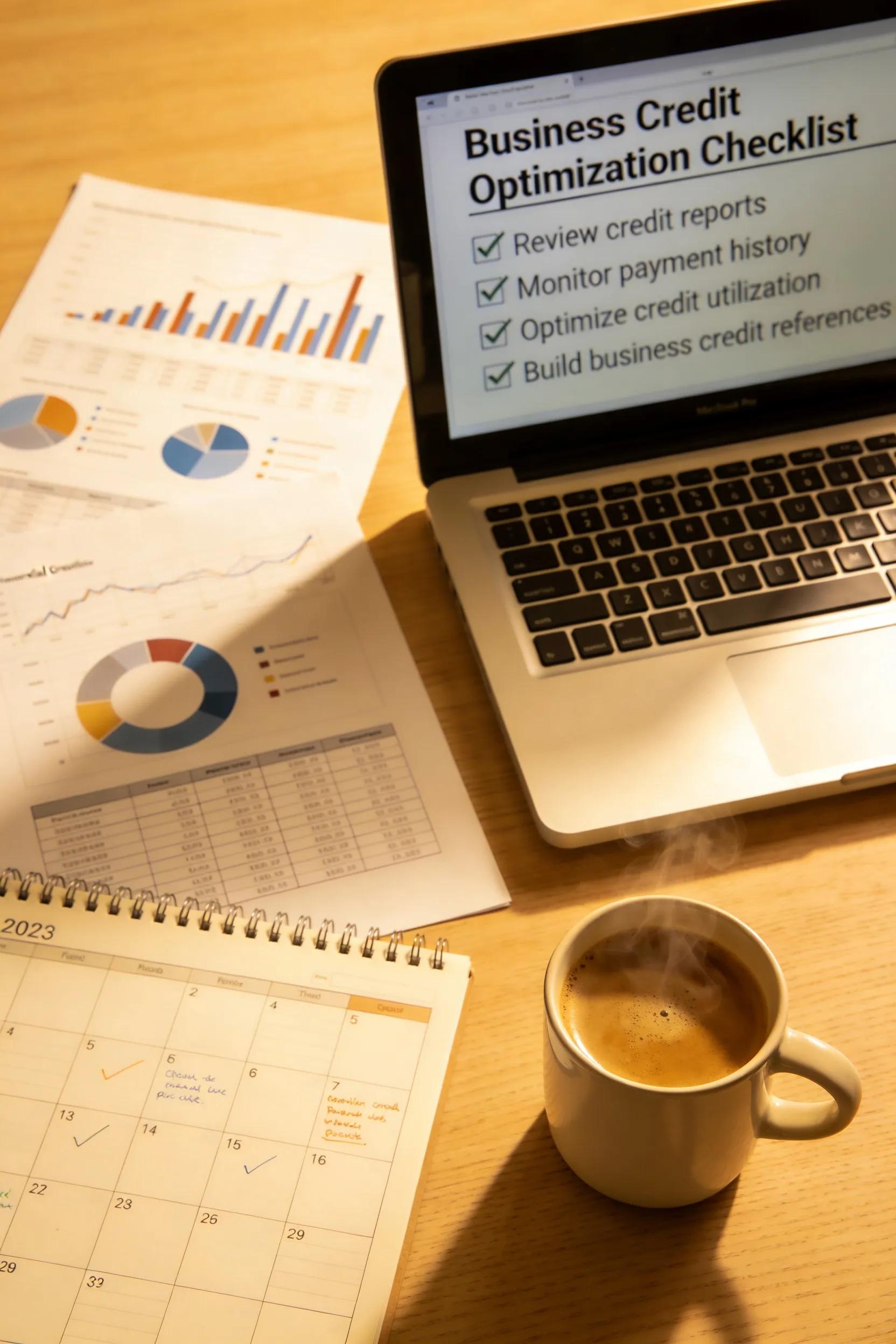
Optimising business credit means building a reliable payment history and preparing your finances for review. Focus on steady, measurable actions that show lenders your business credit well.
What Steps Improve Your Business Credit Score Efficiently?
Simple, disciplined steps often move the needle most effectively.
- Establish Credit Accounts: Open business credit accounts and use them responsibly to build a positive credit history.
- Pay Bills on Time: Timeliness in payments significantly boosts your credit rating; late payments can severely damage your score.
- Monitor Your Business Credit Reports: Regularly checking your reports enables you to address discrepancies quickly and understand your credit standing.
How to Monitor Your Business Credit Reports Regularly?
Regular monitoring helps you catch errors and fraud early. Use recognised bureaus—Dun & Bradstreet, Experian, Equifax—and set a simple routine to review reports.
- Review your reports at least quarterly to catch any errors or fraudulent activity.
- Use monitoring services that can alert you to changes in your credit status.
- Take corrective actions on any negative items reported, such as resolving disputes or improving payment practices.
What Is a Funding Readiness Checklist and How Does It Help?
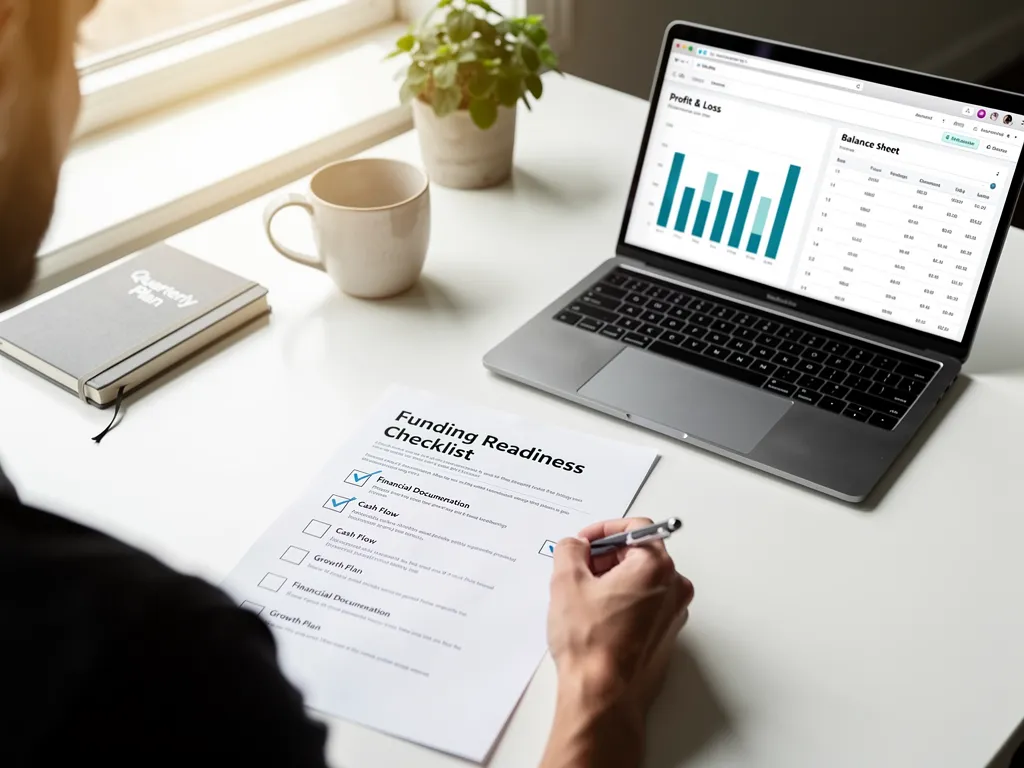
A funding readiness checklist is a step-by-step tool that ensures you have the right documents and practices in place before approaching lenders. It reduces surprises and speeds up decisions.
Which Financial Documents Are Essential for Funding Readiness?
These core documents show lenders how your business performs and plans to grow.
- Business Plan: A comprehensive outline of your business strategy and financial projections.
- Financial Statements: Recent profit and loss statements, cash flow statements, and balance sheets.
- Tax Returns: Business tax returns from the past few years to establish reliability.
Keeping these documents current demonstrates professionalism and makes the application process smoother for both you and potential lenders.
How to Self-Evaluate Your Business’s Funding Readiness?
Run a short checklist on your own to find gaps.
- Are my financial documents up to date and organized?
- Do I clearly understand my credit standing?
- Have I established relationships with potential lenders or funding sources?
Answering these questions highlights where to focus next. Small fixes now, like updating a stale financial statement or reaching out to a potential lender before you need one, can remove big obstacles later. This takes practice, so work through one item at a time rather than trying to fix everything at once, and revisit the checklist periodically as your business changes.
What Are Common Fundability Obstacles and How Can You Overcome Them?

Several recurring issues often block better fundability. Identifying them early helps you build a plan to fix each one.
How Does Business Financial Management Affect Fundability?
Good financial management is the base of fundability. Think of your budget and cash-flow forecasts as a map: they guide decisions and prevent surprises. Poor tracking or missed payments shows risk to lenders and lowers your score. Tightening processes—regular budgets, realistic cash-flow forecasts, and careful spending—makes your business easier to trust.
What Credit Issues Should You Resolve Before Applying for Loans?
Addressing credit problems first improves approval chances. Focus on clearing overdue balances, limiting new hard inquiries, and fixing report errors.
- Outstanding Debts: Pay off any overdue balances to improve your credit score.
- Credit Inquiries: Be mindful of excessive credit inquiries that can negatively impact your score.
- Disputes: Resolve any discrepancies on your credit report to ensure an accurate representation of your credit history.
Resolving these items strengthens your application and positions you better with lenders. Tackle the highest-impact problems first, such as overdue balances that actively drag down your score, then work through smaller disputes and inquiry concerns. Monitor your progress monthly so you can see which fixes are moving the needle and adjust your approach accordingly.
How Do VIP Business Credit's Coaching and Funding Services Improve Your Fundability?

VIP Business Credit offers coaching focused on practical steps to improve creditworthiness and readiness for funding. Their approach is to teach clear practices and help you apply them over time.
What Does VIP Business Credit's Coaching Include?
The coaching covers key areas that matter to lenders and your financial health.
- Business Credit Education: Understanding credit scores and their impact.
- Strategy Development: Personalized strategies for improving credit and fundability.
- Account Management: Guidance on maintaining healthy credit practices.
Working through these topics builds a stronger financial foundation. With regular guidance, you can apply the lessons from each session, track measurable improvement in your credit standing, and adjust your strategy as your business grows. This ongoing support helps you avoid the common missteps that stall fundability progress for many small business owners.
How Does Access to Funding Through VIP Business Credit Work?
The funding process follows clear steps to match your needs with options.
- Application Process: Start by submitting an application with your business details.
- Consultation: Engage in a consultation to assess your needs and the best funding options available.
- **Funding Decisions**: Based on your profile, receive tailored funding solutions designed to meet your business requirements.
This structured path helps you find funding that fits your circumstances and prepares you for lender questions. Because each step builds on the last, from application to consultation to final funding decision, you always know what comes next and what to have ready, rather than guessing your way through the process.
Which Small Business Financing Tips Support Sustainable Fundability Growth?

Long-term fundability comes from steady habits and ongoing attention to finances. Small, consistent actions keep your score healthy.
How to Maintain a Strong Business Credit Profile Over Time?
Stick to a few reliable habits to protect your credit profile.
- Consistent Payments: Prioritize paying off credit lines on time.
- Limit Hard Inquiries: Be selective with new credit applications to avoid scoring penalties.
- Build Relationships: Develop strong relationships with lenders to facilitate future approvals.
Make these practices routine. Over months, they create a record that lenders recognise and reward, since consistent payment history and steady, careful credit use demonstrate exactly the kind of reliability that lowers risk in a lender's eyes. The longer this pattern holds, the stronger your negotiating position becomes on rates and terms.
What Recent Industry Trends Should Small Businesses Know for 2026?
Watching trends helps you adapt how you seek funding. Some shifts to note are growing interest in alternative funding, more digital financial tools, and increased lender attention to sustainability practices.
- Increased Use of Alternative Financing: Crowdfunding and peer-to-peer loans are gaining popularity among small businesses.
- Focus on Digital Financial Management: Businesses increasingly turn to tech solutions for budgeting and financial tracking.
- Emphasis on Sustainable Practices: Lenders are starting to prioritize companies that demonstrate environmental responsibility in their business models.
Keep learning about these changes and test small adjustments that help your business stay competitive.
Frequently Asked Questions
What steps should I take if my fundability score is low?
Start by identifying the issues lowering your score. Check your business credit reports and dispute errors. Lower your credit utilisation by paying down balances and make payments on time. Consider adding a small, well-managed credit account to build positive history. If you need help, consult a financial advisor for a tailored plan. This takes practice—focus on steady progress.
Can my business structure affect my fundability score?
Yes. Lenders often prefer incorporated entities because they show formal organisation and limit personal liability. Sole proprietorships can seem riskier. Ensuring your business complies with regulations and holds required licences boosts credibility and fundability.
How long does it take to improve my fundability score?
The timeline varies by situation. Fixing report errors and reducing balances can show effects in a few months. Building sustained credit improvement often takes six months to a year. Track changes and keep consistent habits to see steady results.
Are there any services that can help improve my fundability score?
Yes. Financial coaching services—such as those from VIP Business Credit—offer education, strategy development, and ongoing support. A coach can help you prioritise actions and avoid common mistakes, making improvement more efficient.
What types of financing are available to businesses with a low fundability score?
Businesses with lower scores can still access funding, though often at higher cost. Options include peer-to-peer loans, crowdfunding, and microloans from nonprofits, including those backed by the U.S. Small Business Administration. Some lenders use revenue-based models instead of credit history. Compare offers carefully to find terms you can manage.
What role does my business's cash flow play in fundability?
Cash flow is central to fundability. Regular positive cash flow shows lenders you can cover expenses and repay loans. Monitor forecasts and maintain reserves so you can handle slow periods. Consistent income patterns make your business more attractive to lenders.
How can I prepare for a funding assessment from a lender?
Gather key documents: business plan, recent financial statements, and past tax returns. Know your credit history and be ready to explain financial decisions. Outline exactly how you will use funds. Presenting clear, organised information improves credibility and the chance of a favourable outcome.
Conclusion
Improving your fundability score opens doors to better financing and lower costs. By learning the key factors, using a funding checklist, and taking steady actions, you can strengthen your creditworthiness over time. Consider targeted coaching if you want guided steps and accountability. Start with one clear task today and build from there—small gains add up.
Contact VIP Business Credit
For personalized coaching and funding consultations, reach out to VIP Business Credit, serving Sterling, Ashburn, Tysons, Reston-Herndon, Arlington, Fairfax County, and the greater Washington, D.C. metro region:
- 📞 Phone: (571) 248-3863
- ✉️ Email: [email protected]
- 📅 Consultation: Book a Consultation
- 🌐 Website: vipbizfunds.com
- 🎯 FREE Business Funding Pre-Qualification Scan: Take the Scan
About The Author
Lee Johnson is a seasoned Real Estate Investor, Business Growth Strategist, and Master Certified Professional Coach with more than 500 coaching hours, whose mission is to help business owners achieve financial freedom and a life of abundance. Lee has built a personal real estate investment portfolio of over 1,700 units valued at approximately $254 million across multiple U.S. markets. As a key expert with VIP Business Credit, Lee empowers small business owners—including those in home services, trucking, and real estate—to strengthen their fundability, starting with a solid business credit foundation before pursuing the highest loan amounts at the best available terms. Connect with Lee and VIP Business Credit to learn how tailored strategies can unlock your business's full funding potential.


